
Nettle-leaved bellflower
Campanula trachelium L.
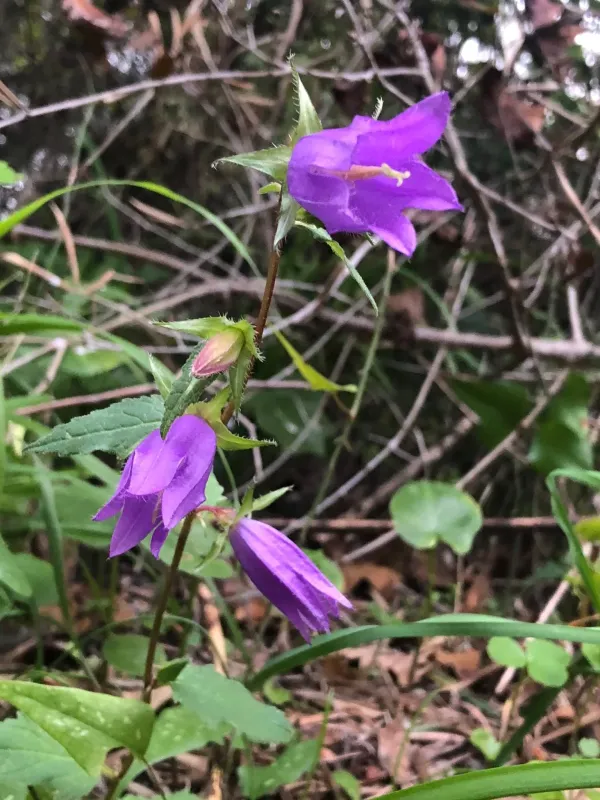
Description
Sowing dates
Sowing seeds of Campanula trachelium directly into the open ground is typically performed in late spring once the soil temperature is sufficiently warm.
For more predictable results, greenhouse or indoor tray sowing in early spring is common, ensuring the seeds are provided with ample light to germinate.
The seeds are exceptionally fine, requiring a light covering with vermiculite or a fine seed-starting mix to ensure proper contact without burial.
Once the seedlings develop at least two true leaves, they should be carefully pricked out and transplanted into individual pots to strengthen.
Final transplanting into the permanent garden site is best scheduled for late summer, allowing the root system to establish before the winter dormancy.
Growing requirements
This species is a member of the Campanulaceae family and is native to the woodland habitats across Europe and parts of Western Asia.
It thrives in partial shade environments, mirroring its natural forest floor habitat, and appreciates locations with rich, loamy, well-draining soil.
The plant is highly frost-hardy and does not require winter protection, making it an excellent choice for low-maintenance perennial garden borders.
While tolerant of some soil dryness once established, consistent moisture during the blooming period significantly enhances the flower quality.
Soil pH levels should ideally remain near neutral; however, the plant is adaptable to a wide range of garden soil types if drainage is maintained.
Main diseases and pests
The primary concern for the Nettle-leaved bellflower is root rot, which is almost always a result of excessive soil moisture or poor drainage systems.
Fungal infections such as powdery mildew can occasionally affect the foliage, especially in stagnant air conditions or high humidity summers.
Slugs and snails are the most prominent pests, capable of causing significant cosmetic and structural damage to the leaves during damp spring weather.
Aphids might occasionally colonize the soft, new growth, requiring a mild insecticidal soap application if infestation levels become significant.
Integrated pest management, including weeding and thinning out dense clusters, helps prevent the onset of common diseases and pest outbreaks.