
Net-leaved willow
Salix reticulata L.
Description
Growing requirements
The net-leaved willow is a prostrate, dwarf shrub belonging to the Salicaceae family. Native to arctic and alpine regions throughout the Northern Hemisphere, it is adapted to thrive in harsh, cold environments with rocky substrates.
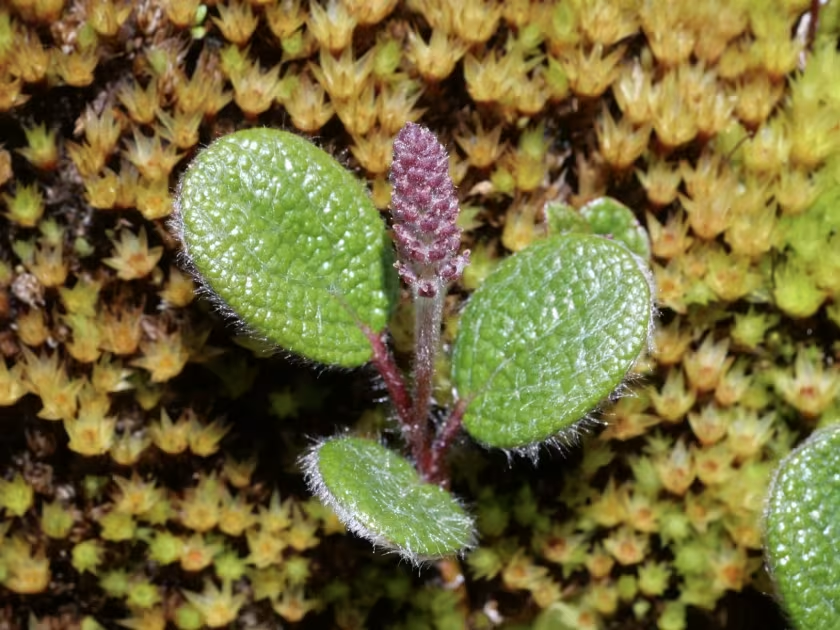
Botanically, the plant is recognized by its small, leathery, rounded leaves that feature a distinct net-like pattern of veins. This unique foliage makes it a highly desirable specimen for specialized landscape compositions.
To cultivate this species, one must mimic its natural high-altitude environment. It requires cool temperatures, full sunlight, and well-draining, gravelly soil. It does not tolerate heat or stagnant water, which can lead to root rot.
The agricultural management is limited to basic maintenance. Periodic weeding is necessary to prevent competition, and site selection should prioritize northern or eastern slopes that provide cooler soil conditions throughout the day.
The primary use of the net-leaved willow is decorative. It is specifically favored by alpine gardeners for rock gardens, trough plantings, and as a groundcover in cooler temperate climates where ornamental features are prioritized.
Main diseases and pests
The main phytopathological risks include fungal pathogens such as rusts and various leaf spots. These typically occur when air circulation is poor or if the plant remains waterlogged for extended periods.
Common insect pests include spider mites, which can cause significant damage during hot spells, and leaf-chewing insects that may detract from the plant's aesthetic value if left untreated.