
Tuberous catmint
Nepeta tuberosa L.
Description
Sowing dates
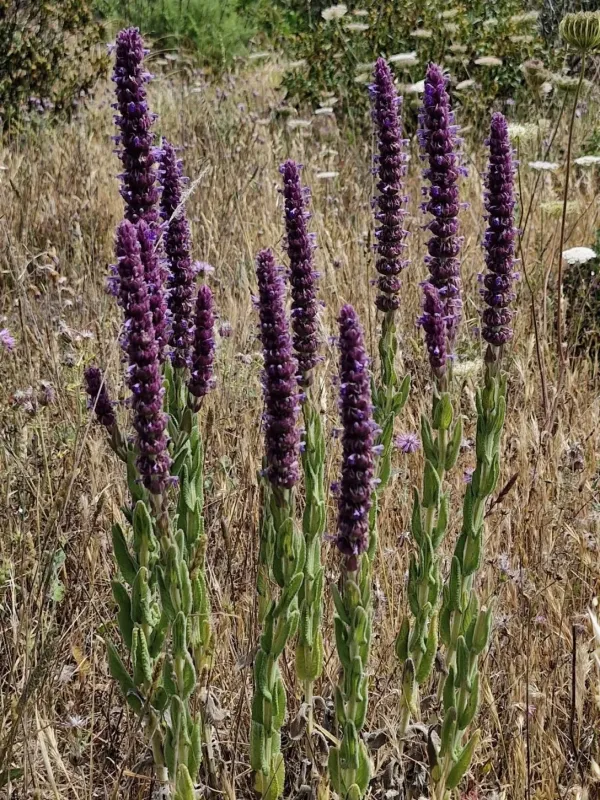
Tuberous catmint (Nepeta tuberosa) is a perennial herbaceous plant from the Lamiaceae family. It is characterized by its unique root system featuring small tuberous structures, which serve as storage organs and enhance the plant's survival strategy in harsh or arid environments.
Sowing typically takes place in early spring once the soil has warmed up, or during late autumn to allow for natural cold stratification of the seeds. The seeds should be planted at a shallow depth of 1-2 centimeters, as they require light exposure to break dormancy and trigger the germination process.
Growing requirements
This crop thrives in sunny, well-lit locations and requires soil with excellent drainage to prevent root rot. It is highly resistant to drought, making it an excellent candidate for agricultural production in regions where water scarcity is a limiting factor for traditional crop cultivation.
While Nepeta tuberosa is not particularly demanding regarding soil fertility, it performs best in neutral to slightly alkaline, sandy, or loamy soil types. Regular weeding is crucial during the early growth stages, as young plants may struggle to establish themselves when competing with fast-growing invasive weeds.
Harvesting
The economic value of this plant lies in its potential use within the pharmaceutical industry due to its chemical profile, as well as its high attractiveness to pollinators as a nectar source. The harvesting of the aerial parts is conducted during peak flowering, ensuring that the plant biomass is processed immediately to preserve essential oils.