
Govan's Catmint
Nepeta govaniana (Wall. ex Benth.) Benth.
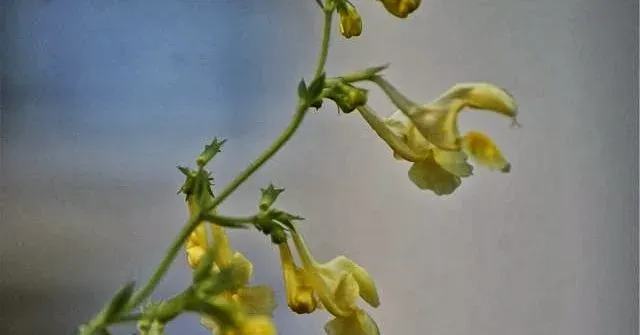
Description
Sowing dates
Sowing seeds in open ground is typically done before winter or in early spring once the soil has warmed up. While the seeds have good germination rates, stratification for 30–45 days at low temperatures is recommended to improve consistency.
When growing from seedlings, sow in March using a light, well-draining substrate. The optimal sowing depth is 0.5–1 cm, as the seeds require minimal light exposure to germinate effectively.
Seedlings usually emerge 14–20 days after sowing. Pricking out into individual pots should be done when the plant has two or three true leaves, allowing for a strong root system development before transplanting.
Transplant to the final location with 40x40 cm spacing. Providing good air circulation between plants is crucial to prevent the development of fungal diseases during periods of high humidity.
Maintenance of young plantings involves regular weeding and loosening of the soil between rows. In the first year, the plant focuses on developing vegetative mass, with full flowering occurring in the second season.
Growing requirements
Govan's Catmint (Nepeta govaniana) belongs to the Lamiaceae family. It is a perennial herbaceous plant native to the subalpine regions of the Himalayas, thriving at elevations between 3,000 and 4,000 meters.
To successfully cultivate this crop, a cool climate with moderate moisture levels is required. The plant exhibits high frost resistance, making it suitable for both landscape gardening and pharmaceutical applications in temperate climate zones.
Soil preferences include well-drained, loamy, or sandy soils with a neutral to slightly alkaline pH. The crop is highly sensitive to waterlogging, which quickly leads to root rot and plant decline.
When selecting a planting site, prioritize locations with good sun exposure, although light partial shade during the hottest hours of the day is acceptable in warmer regions. The plant responds well to moderate applications of organic fertilizers in the spring.
During its growth, the catmint produces erect stems that reach heights of 60–90 cm. The leaves feature serrated edges and the characteristic aromatic scent common to the Nepeta genus, which attracts pollinators, especially bees and bumblebees.
Main diseases and pests
Root rot, caused by excessive soil moisture, poses the greatest threat to the crop. At the first sign of distress, watering should be stopped, and a fungicidal treatment applied to the root zone if necessary.
Powdery mildew may affect leaves during periods of fluctuating temperatures and high humidity. Preventive measures include ensuring proper plant spacing and avoiding overcrowded planting conditions.
Common pests include aphids and spider mites, which feed on the sap of young shoots. Management involves using biological insecticides or herbal infusions that are safe for beneficial pollinators.
Damage from slugs can occur during rainy weather. Protection can be achieved by creating physical barriers around the bushes using wood ash or gravel, which hinders the movement of gastropods.
Overall, the plant has a strong natural immune system and, with proper agronomic management, rarely suffers from severe pathogen outbreaks, making it a sustainable choice for organic farming.
Harvesting
Harvesting the aerial parts of the plant is conducted during the peak flowering period, when the concentration of essential oils in the tissues is at its highest. This usually occurs mid-summer, from July to August.
Stems should be cut at a height of 10–15 cm above the soil level; this practice promotes rapid regrowth, potentially allowing for a second harvest by the end of the season.
Drying the plant material should be done in shaded, well-ventilated areas by spreading the material in a thin layer on racks. Using mechanical dryers is permissible if temperatures do not exceed 40 degrees Celsius.
Dried Govan's Catmint retains its decorative and aromatic properties for a long time if stored in airtight containers away from direct sunlight.
Primary commercial uses include the extraction of essential oils, applications in traditional medicine as a mild sedative or tonic, and its role as a honey plant in specialized farming operations.