
Govan and tuberous catmint hybrid
Nepeta govaniana x Nepeta tuberosa
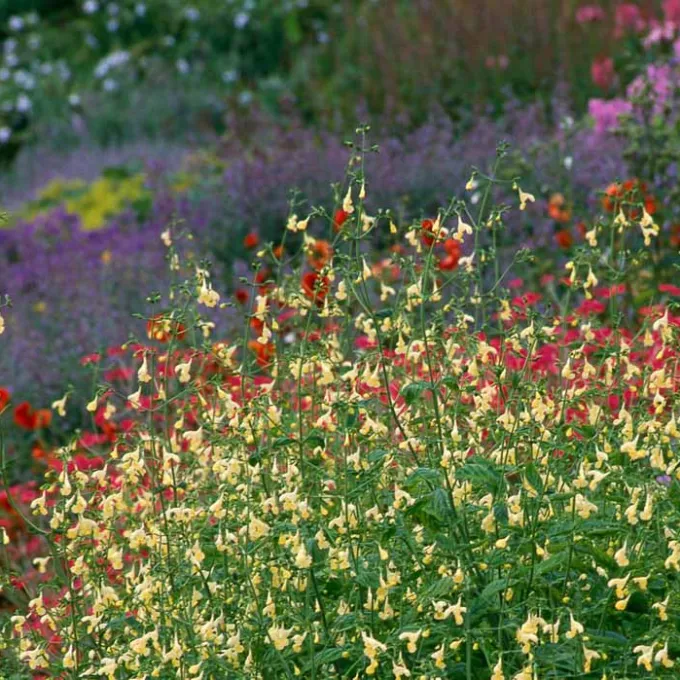
Description
Sowing dates
Sowing the hybrid catmint should be performed in the spring once soil temperatures have consistently reached 8–10 degrees Celsius. Early May is generally considered the optimal time for direct outdoor sowing in most regions.
For better control over germination, a nursery-based approach is often preferred. Seeds are sown into light, well-draining potting soil in March and kept in a warm environment until they are ready for transplanting.
Seeds are extremely small and require shallow placement. They should be pressed onto the soil surface or covered with a very fine layer of vermiculite, as they require light to stimulate the germination process.
Standard field spacing should allow for mature plant size, which can be quite vigorous in hybrids. A distance of 45–60 centimeters between rows and 30 centimeters between individual plants is recommended for optimal air circulation.
Constant, gentle soil moisture must be maintained during the first few weeks. Drying out of the surface layer can lead to high seedling mortality in this aromatic species.
Growing requirements
This hybrid belongs to the Lamiaceae family and is highly adaptable to various growing conditions. It thrives in full sun, which is crucial for maximizing the accumulation of volatile essential oils in the foliage.
Regarding soil preferences, the plant favors sandy loams or well-drained loamy soils. It is intolerant of heavy, waterlogged conditions, which will lead to root rot and eventual plant failure during wet periods.
The hybrid demonstrates excellent drought tolerance, an inherited trait from its parents, Nepeta govaniana and Nepeta tuberosa. Once established, the plants require minimal supplemental irrigation.
A neutral to slightly alkaline soil pH is ideal. If the soil is excessively acidic, a pre-planting application of lime is recommended to create a more favorable growing medium for this species.
The catmint hybrid is fully perennial and exhibits high winter hardiness. While the above-ground portion dies back in late autumn, the plant remains dormant and hardy, ready for rapid regrowth in the following spring.
Main diseases and pests
Fungal diseases are the primary threat, especially in humid climates or poorly ventilated planting sites. Powdery mildew can occur if air circulation is inadequate, particularly in the later stages of growth.
Aphids are the most common insect pest. They tend to cluster on the underside of leaves and succulent shoot tips. Regular monitoring is necessary, and organic soaps or mild insecticides are usually effective controls.
Root-knot nematodes can occasionally affect plantings, particularly if the crop is grown in the same plot for many consecutive years. A proper crop rotation cycle is the best defense against these microscopic pests.
Snails and slugs can damage young foliage during damp spring weather. Mulching with inorganic materials like gravel or using defensive barriers can help mitigate this damage in small-scale garden plots.
Maintaining clean spacing and removing diseased debris at the end of the season significantly reduces the buildup of inoculum for subsequent years. Preventive pruning also helps improve air movement around the base.
Harvesting
The optimal harvest window is during the peak flowering stage. Harvesting at this time ensures the highest concentration and quality of aromatic essential oils within the leaves and floral spikes.
Cutting should be performed on a dry, sunny day, preferably mid-morning after the dew has evaporated. Stems should be cut roughly 15–20 centimeters from the ground to stimulate secondary growth.
Drying must take place in a shaded, well-ventilated location. Avoid high-heat drying methods to preserve the integrity of the essential oil profile, which can easily be lost to evaporation.
Once dried, the foliage should be stored in opaque, airtight containers. This prevents light and oxygen from degrading the chemical compounds, maintaining the plant's potency for long-term use.
With careful management and adequate watering, a second harvest is possible towards the end of August. This effectively doubles the yields during a single season without exhausting the plant's resources.