
Hybrid Kuban Catmint
Nepeta kubanica Pojark. x N. subsessilis Maxim.
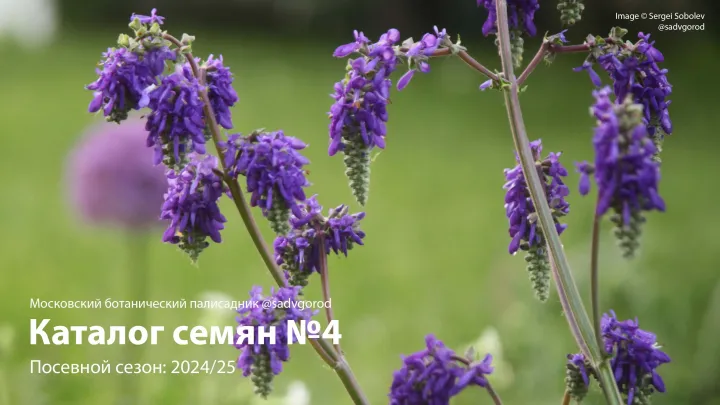
Description
Sowing dates
Hybrid Kuban Catmint is typically propagated through seeds or division. Seeds should be sown in early spring once the soil temperature reaches at least 10 degrees Celsius, ensuring they are only lightly covered with soil due to their small size.
For better results, indoor propagation is often used. Seeds are started in trays in late winter, providing a stable environment before transplanting the seedlings into the field after the danger of frost has passed.
Division is the most reliable method for maintaining the characteristics of the hybrid. It is best performed in the early spring or autumn when the plant enters dormancy, ensuring that each division has a healthy root system and several buds.
The spacing between plants should be approximately 40-50 centimeters. This density promotes adequate air circulation, which is crucial for preventing humidity-related diseases and ensuring that each plant has enough nutrients for robust growth.
Preparation of the seedbed involves deep tillage and the incorporation of organic matter. A well-prepared, friable soil texture is essential for the germination of catmint seeds and the establishment of young plants.
Growing requirements
This hybrid is a member of the Lamiaceae family, resulting from a cross between Nepeta kubanica and Nepeta subsessilis. It combines the hardiness of the former with the lush flowering characteristics of the latter.
The plant thrives in well-drained, fertile soil with a neutral to slightly alkaline pH. It is highly intolerant of waterlogged conditions, which can quickly lead to root decay and overall plant decline.
Sunlight is the most critical environmental factor for this crop. It requires full sun exposure to produce the high concentrations of essential oils that make it a valuable commodity in herbal farming.
Watering needs are moderate; once established, Hybrid Kuban Catmint is quite drought-tolerant. However, supplemental irrigation is beneficial during prolonged dry spells to maintain high biomass production.
Nutrient management focuses on moderate applications of fertilizer. Excessive nitrogen promotes vegetative growth at the expense of floral development and oil quality, so balanced formulations are highly recommended.
Main diseases and pests
Hybrid Kuban Catmint is generally pest-resistant due to its essential oil content, which acts as a natural deterrent. Aphids can occasionally infest young shoots, but they are easily managed with biological controls.
Powdery mildew is the most common fungal disease, especially in areas with poor airflow and high humidity. Pruning and strategic plant spacing are the best preventive measures to keep the foliage dry and healthy.
Root rot is a significant risk in heavy, clay-based soils that do not provide adequate drainage. Ensuring a porous soil structure is the best way to prevent the development of pathogens at the base of the plant.
Good weed control is necessary during the early stages of growth to prevent competition for light and nutrients. Regular mulching can suppress weeds and help retain optimal soil moisture levels throughout the season.
Monitoring the field for leaf spot diseases is recommended during periods of rainy weather. Early identification allows for targeted interventions that protect the yield and the quality of the harvest.