
Nepeta grandiflora
Nepeta grandiflora M. Bieb.
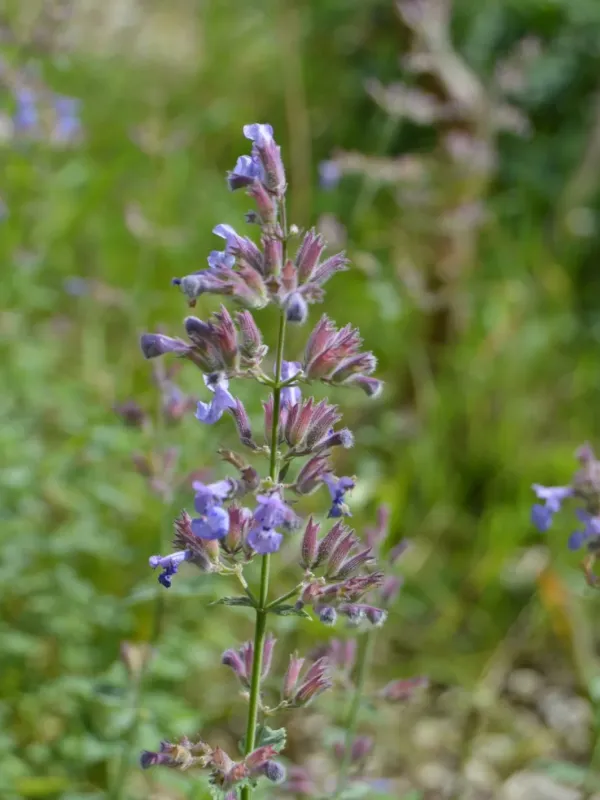
Description
Sowing dates
Nepeta grandiflora, commonly known as giant catmint, belongs to the Lamiaceae family. Seeds are typically sown in early spring once the threat of frost has passed and soil temperatures reach at least 10 degrees Celsius.
For earlier production, seeds can be started indoors in trays. The seedlings are usually ready for transplanting to the field after 6-8 weeks of growth under controlled conditions.
When sowing directly into the ground, ensure the seeds are not buried too deeply; a depth of 1 centimeter is optimal. Light is often beneficial for germination, so a light dusting of soil is sufficient.
The spacing between plants should be approximately 45-50 centimeters to allow for proper air circulation and expansion of the mature clumps. This distance also helps in managing weeds during the initial growing season.
Maintenance of soil moisture is crucial during the germination phase. Once established, the plant becomes remarkably resilient and requires less frequent watering.
Growing requirements
This species thrives in full sun, which is essential for maximizing the concentration of essential oils in its foliage. While it tolerates partial shade, flowering may be less prolific in such conditions.
Well-drained soil is a primary requirement for success. Nepeta grandiflora is highly susceptible to root rot in waterlogged or heavy clay soils, so soil structure should be amended if necessary.
The plant is known for its drought tolerance once its root system is deeply established. This makes it a suitable candidate for sustainable and low-maintenance agricultural projects.
Fertilization should be moderate. An application of balanced slow-release fertilizer in early spring supports healthy vegetative growth without causing excessive, weak stems.
It is winter hardy in most temperate regions, often surviving harsh winters provided that the soil is not overly saturated, which helps protect the crown of the plant.
Yield
Nepeta grandiflora is highly valued as an exceptional honey plant. It attracts large numbers of pollinators, providing a consistent source of nectar throughout the peak summer months.
For industrial use, the herb is harvested for its fragrant essential oils. The yield of dried biomass can range from 3 to 5 tons per hectare, depending on soil quality and cultivation intensity.
Maximum biomass production is achieved from the second year through the fifth year. Strategic rejuvenation or replanting is recommended after the five-year mark to maintain optimal yield levels.
In the culinary sector, the leaves and flowers are used to add a unique, refreshing aroma to herbal tea blends and seasoning mixes. Its commercial potential continues to grow with demand for natural flavoring agents.
Beyond agricultural produce, the plant provides ecosystem services by supporting local pollinator populations, which can benefit neighboring crops that depend on insect cross-pollination.
Main diseases and pests
The main threat to plant health is fungal decay caused by excessive soil moisture. Ensuring excellent drainage and avoiding overcrowding are the best preventative measures.
Pests such as aphids and leaf-eating beetles may occasionally impact the foliage. Integrated pest management, focusing on biological controls, is preferred to maintain the quality of the harvested material.
Powdery mildew can occur in stagnant, humid environments. Maintaining proper plant spacing helps to ensure that foliage dries quickly after dew or rainfall, reducing fungal risks.
Slugs can be problematic for young seedlings during damp spring months. Protective barriers or organic bait can be used to mitigate damage during the early growth stages.
Regular field sanitation, including the removal of dead or diseased plant matter at the end of the season, significantly reduces the overwintering potential of pathogens.
Harvesting
Harvesting for medicinal or aromatic purposes should occur during full bloom, as this is when the essential oil content is highest. Harvesting is ideally timed for mid-morning, once dew has evaporated.
Plants are cut back, leaving 10-15 centimeters of stem above the soil line. This encourages regrowth and ensures the plant has enough energy reserves to survive the winter.
Drying should take place in a cool, shaded, and well-ventilated area. Rapid drying in direct sunlight is discouraged as it causes the loss of volatile aromatic compounds.
Once dried, the herb is processed to separate the delicate leaves and flowers from the stems. Proper packaging in air-tight containers preserves the quality of the essential oils for a longer period.
If seeds are the target product, they should be collected as soon as the seed pods begin to turn brown, typically in late summer, before natural dispersal occurs.