
Catnip
Nepeta cataria L.
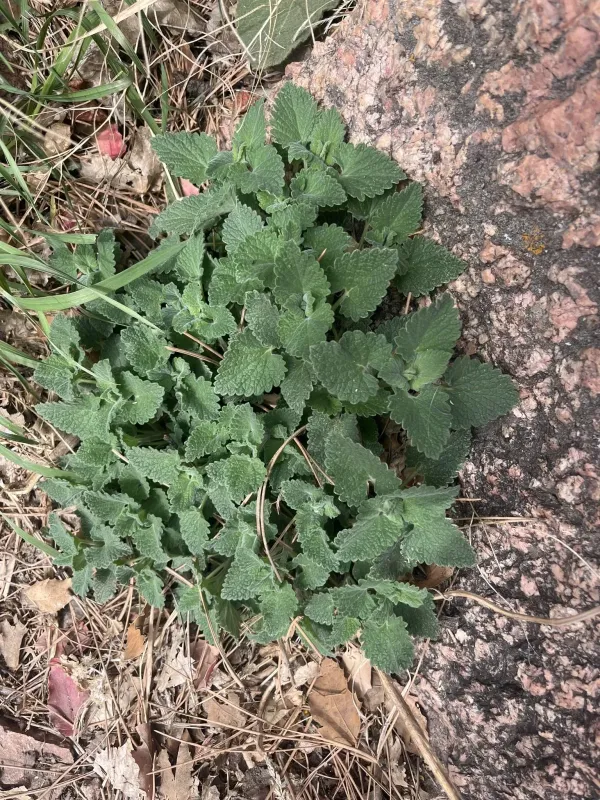
Description
Sowing dates
Catnip (Nepeta cataria) is a perennial essential oil crop belonging to the Lamiaceae family. In industrial settings, sowing is carried out in early spring as soon as soil temperatures reach 8–10 degrees Celsius to ensure uniform germination.
Alternatively, late autumn sowing can be practiced in late October. This allows the seeds to undergo natural stratification in the soil, which leads to earlier spring emergence and improved vegetative development.
Seeds should be sown at a shallow depth of approximately 0.5–1 cm due to their small size. Wide-row sowing with row spacing of up to 60 cm is highly recommended to facilitate mechanical weeding and ensure airflow.
The seeding rate typically ranges from 2 to 4 kg per hectare, depending on soil preparation and the chosen sowing method. Over-seeding should be avoided to prevent crowding, which can lead to stunted growth.
Once seedlings emerge, thinning is required to maintain a distance of 20–30 cm between plants within rows. Proper spacing is essential for developing healthy, bushy plants capable of maximum oil synthesis.
Growing requirements
Catnip thrives in sunny locations with well-drained, fertile sandy or loamy soils. Waterlogged areas must be avoided, as stagnant moisture significantly increases the risk of root rot and plant decay.
The species exhibits high frost and drought tolerance, making it a reliable crop in various temperate climates. It adapts well to seasonal temperature fluctuations if the soil drainage is adequate.
The ideal soil pH for catnip is neutral to slightly alkaline. In acidic soils, plant growth is noticeably retarded, so liming is recommended for better performance before establishing a new field.
Effective weed control is critical during the first year, as catnip grows slowly and is easily overwhelmed by competitive species. Regular cultivation between rows is necessary to maintain a clean crop.
Moderate phosphorus and potassium fertilization helps boost yield. However, excessive nitrogen application should be avoided, as it can reduce the essential oil quality and overall fragrance concentration.
Yield
Average yield of raw green mass ranges from 15 to 25 metric tons per hectare under proper agricultural management. Productivity typically peaks during the second and third years of plantation life.
Catnip is a long-lived perennial, but yield may decline after three to four years, necessitating a field rotation or replanting. Older fields are more susceptible to disease and lower oil quality.
Essential oil output per hectare can range from 20 to 40 kg, depending on the specific cultivar and environmental conditions. Proper timing of harvest is the main factor influencing these numbers.
For specialized seed production, yields typically vary from 150 to 300 kg per hectare. Because seeds mature unevenly, harvest must be managed carefully to minimize losses due to shattering.
A multi-cut system is often employed in commercial farming, allowing for two harvests per season. While the second cut is usually smaller in volume, it can still provide high-quality aromatic material.
Main diseases and pests
Common pests affecting catnip include leaf beetles and weevils, which damage foliage. In humid conditions, aphids may colonize young shoots, requiring immediate observation and potential control measures.
Fungal diseases, particularly powdery mildew and various leaf spots, are the most frequent threats. These are more common in dense plantings with poor air circulation and high humidity levels.
Integrated pest management, including crop rotation and the use of bio-insecticides, is recommended. Chemical interventions should be minimized to ensure the final product meets safety standards.
Root rot is a significant danger in heavy, poorly drained soils. Maintaining proper soil structure and avoiding over-irrigation are the best preventive measures against these pathogens.
It is advisable not to rotate catnip with other Lamiaceae crops to avoid the buildup of host-specific diseases. Maintaining good field hygiene is essential for the longevity of the stand.
Harvesting
The harvest of green mass should occur during the full bloom stage. At this time, the concentration of essential oil in the leaves and flowering tops is at its maximum potential.
Plants should be mowed at a height of 10–15 cm above the soil surface. This height allows for faster regrowth and ensures the plant remains healthy for future seasons or subsequent cuts.
Immediate transportation to a drying facility is essential after cutting. Leaving the cut crop in piles for too long can cause heat buildup, which destroys volatile aromatic compounds.
Drying is conducted in specialized sheds or industrial dryers at temperatures not exceeding 40 degrees Celsius. Excessive heat will diminish the quality, color, and market value of the essential oils.
Dried product should be stored in airtight containers, kept away from direct sunlight and humidity. Proper storage ensures the preservation of the volatile components and long shelf life.