
Kuban catnip
Nepeta kubanica Pojark.
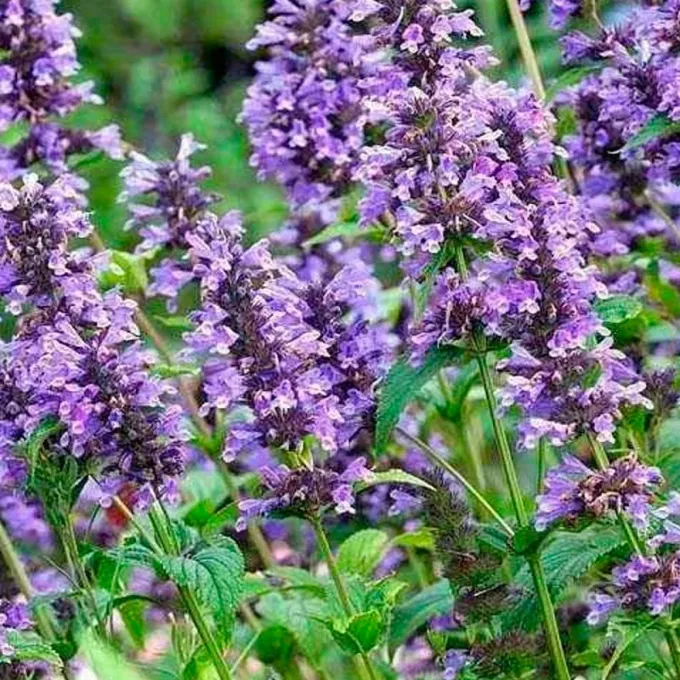
Description
Sowing dates
Kuban catnip (Nepeta kubanica) is a perennial herbaceous plant belonging to the Lamiaceae family. In agricultural practices, it is primarily propagated through seeds, although vegetative division of the root crown is also possible for smaller plots.
The optimal sowing time is early spring when soil temperatures reach at least 6-8 degrees Celsius. Seeds are small and should be sown at a shallow depth of 1-2 centimeters, ensuring they are pressed firmly into the moist soil for optimal germination.
If starting in a greenhouse, sowing should occur 40-50 days before the anticipated transplanting date. This method allows the seedlings to establish a strong root system before being moved to the field, enhancing survival rates during the summer.
Row spacing should be set between 60 to 70 centimeters to accommodate the spreading habit of the plant and to allow for mechanical weeding between rows. This spacing is crucial for maintaining plant health and preventing overcrowding.
Seedlings typically emerge within 2 to 3 weeks after sowing. During the first year, growth is focused on building a vegetative rosette, requiring consistent moisture and careful management of competing weeds to ensure successful establishment.
Growing requirements
As a heliophilous species, Kuban catnip requires full sun exposure to thrive. Insufficient light levels lead to etiolated stems and a significant decrease in essential oil production, which is a critical quality parameter for this crop.
The crop prefers light, well-draining soils such as sandy loams or silt-based soils with a neutral pH. Heavy, compacted soils that retain excessive moisture are detrimental, often causing root rot and overall plant decline.
The plant demonstrates excellent winter hardiness, allowing it to withstand harsh temperatures once established. It is also quite drought-tolerant, although regular irrigation during peak vegetative growth will significantly increase the total biomass yield.
Fertilization should prioritize phosphorus and potassium to support blooming and essential oil concentration. Excessive nitrogen applications should be avoided, as they promote leafy growth at the expense of oil quality and overall plant robustness.
Maintaining soil structure through regular cultivation of inter-row spaces is essential for aeration. This practice also helps in water retention and promotes healthy root development, ensuring the long-term productivity of the field.
Yield
The yield of Kuban catnip depends heavily on the age of the plantation and the timing of the harvest. A healthy plantation generally maintains peak productivity for several years before needing rejuvenation or replanting.
Under optimal management, growers can expect a yield of approximately 1.5 to 2.5 metric tons of dry biomass per hectare. The highest yield quality is typically achieved from the second year of the plantation onward.
The concentration of essential oils within the dried plant material is the primary indicator of economic value. Harvest timing must be precise, occurring during the mass flowering stage when the secondary metabolite content is at its peak.
Modern mechanical harvesters are used to cut the upper 25-30 centimeters of the plant. This height adjustment is crucial as it captures the most fragrant parts of the plant while excluding the thicker, less aromatic woody stems.
Post-harvest logistics are vital; the harvested material should be transported to drying facilities immediately. Minimizing the time between cutting and drying prevents the loss of volatile essential oils due to oxidation and thermal exposure.
Main diseases and pests
Kuban catnip possesses strong natural resistance to many pests due to its aromatic composition. However, under suboptimal growing conditions, such as high humidity or poor ventilation, it can become susceptible to certain diseases.
Pest pressures are generally manageable through standard agronomic practices. Monitoring for early signs of infestation is essential to prevent rapid spread across the field, especially during the active growing season.
- Powdery mildew, especially during rainy or humid summers.
- Aphids, which can target new, tender growth during the spring.
- Root rot, resulting from poor soil drainage and waterlogging.
- Leaf beetles that may damage the foliage if left unchecked.
- Spider mites, which prefer hot and dry environmental conditions.
Preventative strategies include strict crop rotation and ensuring adequate plant spacing to facilitate airflow. These simple measures are usually enough to keep the crop healthy without the need for intensive chemical applications.
Integrated pest management, including the encouragement of natural predators, is highly effective for this crop. By maintaining ecological balance, growers can produce high-quality, aromatic material suitable for both the pharmaceutical and food industries.
Harvesting
Harvesting should be conducted on dry, clear days after the morning dew has evaporated. This ensures that the harvested material is free of excess external moisture, which could otherwise lead to fermentation or mold during storage.
After cutting, the biomass must be dried in ventilated sheds or specialized drying chambers. The temperature must be strictly controlled, kept below 40 degrees Celsius, to prevent the degradation of heat-sensitive essential oils.
Dried material must retain its natural color and characteristic aroma to be considered high quality. Once thoroughly dried to a moisture content of around 12-14%, it can be processed further, milled, or packaged for sale.
Storage should take place in a cool, dry, and dark environment within airtight or breathable natural-fiber bags to maintain quality. Proper storage conditions prevent the loss of the plant’s volatile compounds over time.
Efficient harvesting and drying are essential for maximizing the economic return of the crop. As a versatile aromatic plant, Kuban catnip remains a valuable asset for producers targeting the niche market for medicinal and herbal ingredients.