
Catmint
Nepeta transcaucasica x Nepeta grandiflora
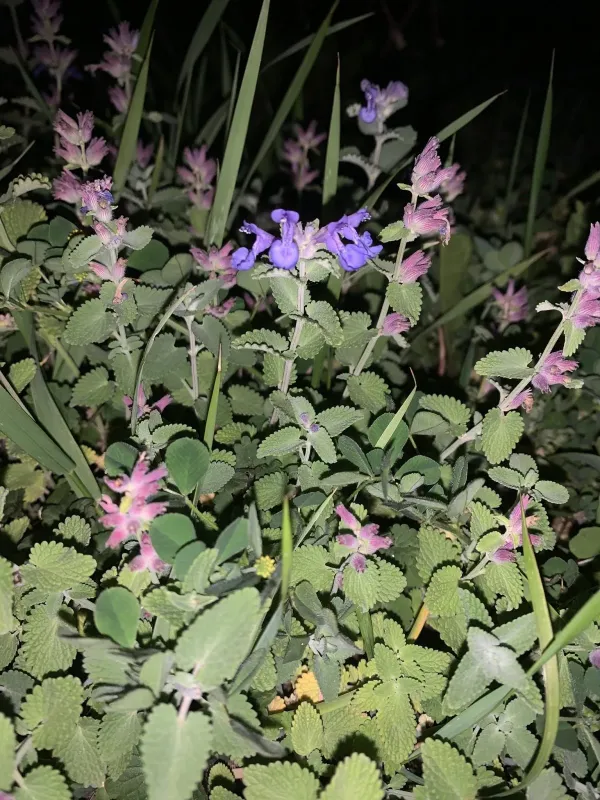
Description
Sowing dates
Catmint (Nepeta transcaucasica x Nepeta grandiflora) is a robust hybrid perennial belonging to the Lamiaceae family. Sowing is best performed in early spring once soil temperatures reach 10–12°C, ensuring a stable seedbed for germination.
For commercial production, starting plants in greenhouses as seedlings is recommended. Seeds should be sown in shallow trays in March, then transplanted to the field in May, maintaining a spacing of 40 cm for optimal canopy airflow.
The seeds are small and require surface sowing with only a light dusting of substrate. Constant moisture is critical during the first three weeks to achieve high germination rates.
As a perennial, catmint establishes a deep root system. Planting site selection should focus on long-term sunlight availability, as the crop remains productive on the same field for up to 7 years.
Weed management during the establishment phase is vital. Mechanical cultivation between rows helps prevent competition during the initial growth stages before the canopy closes.
Growing requirements
Catmint thrives in full sun, which is essential for maximizing essential oil content in the foliage. While it tolerates partial shade, excessive shade results in leggy growth and reduced flowering density.
Soil requirements include well-draining, fertile conditions. The crop is sensitive to waterlogging; therefore, sandy loam or well-structured silt soils are preferred to avoid root suffocation.
Once established, catmint is highly drought-tolerant. Irrigation is only necessary during extreme summer heat or during the seedling establishment phase to ensure deep rooting.
The crop is winter-hardy and can withstand significant frost without special protection. It adapts well to various climatic zones, making it a reliable choice for temperate agriculture.
- Full sun exposure for oil accumulation.
- Neutral or slightly alkaline pH soils.
- Excellent drainage to prevent root rot.
Yield
The yield of green mass ranges from 20 to 30 tons per hectare depending on crop management and planting density. Multiple cuts per season are possible, as the plant regenerates quickly after harvesting.
Essential oil concentration peaks during mass flowering. Harvesting timing is critical; professional growers aim for the onset of full bloom to capture the highest quality volatile compounds.
Catmint serves as an excellent nectar source, providing significant benefits for beekeeping. High-quality honey production can be integrated into the farm's revenue streams alongside essential oil processing.
Sustainable production relies on selective breeding for high flowering yield. Choosing varieties with dense inflorescence architecture significantly boosts overall economic performance.
Harvesting at the correct height (approx. 15 cm) ensures the plant retains sufficient energy reserves in the crown for rapid regrowth and high yield in the subsequent harvest cycle.
Main diseases and pests
Powdery mildew is the most common pathogen, especially in high-humidity or dense planting environments. Good cultural practices, such as proper spacing, are the primary defense against this disease.
Pests like aphids and leaf-eating beetles may appear during hot, dry spells. Biological control methods, such as introducing beneficial insects, are encouraged to keep essential oil crops chemical-free.
Root rot occurs if drainage is poor or irrigation is excessive. Monitoring soil moisture and improving subsurface drainage are effective preventive measures for long-term crop health.
Rust diseases can occur under unfavorable weather patterns. Prompt removal of infected leaves and strict crop rotation are necessary to prevent the spread of fungal spores across the field.
- Powdery mildew (airflow and spacing).
- Aphids (beneficial insect management).
- Root pathogens (drainage maintenance).
Harvesting
Harvesting is typically performed at 50% flowering. This timing ensures the essential oil profile is at its peak and the foliage remains vibrant for high-quality post-harvest processing.
Drying must occur in shaded, well-ventilated areas at temperatures below 40°C. Avoiding direct sunlight is crucial to prevent the evaporation of high-value volatile oils.
After drying, the herb is threshed to remove coarse stems. The final product should be stored in airtight, light-proof containers to maintain its aroma and active chemical composition.
Quality control during storage includes monitoring temperature and moisture to prevent mold growth. Proper drying reduces moisture content to a safe 8-9% for long-term shelf stability.
Seed harvesting requires waiting for the calyx to turn brown. Seeds are collected, winnowed, and dried to ensure viability for the next season's planting requirements.