
Transcaucasian catnip
Nepeta transcaucasica Grossh.
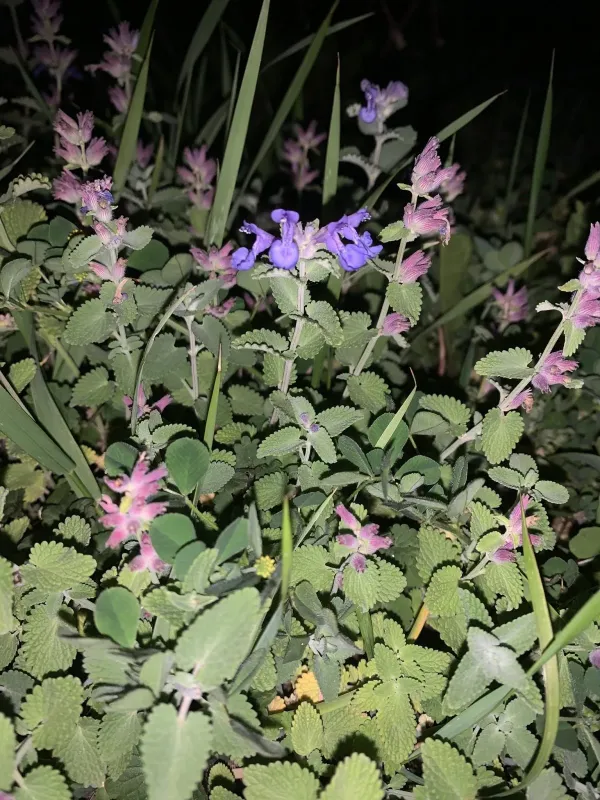
Description
Sowing dates
Sowing of Transcaucasian catnip (Nepeta transcaucasica Grossh.) is best performed in early spring when the soil temperature consistently reaches 8–10 degrees Celsius.
Given the small size of the seeds, they should be sown at a shallow depth of 1–2 centimeters, ensuring they are not buried too deeply to maintain vigor.
Row spacing is typically set at 45–60 centimeters, allowing for efficient mechanical weed control and sufficient aeration between the plants throughout the season.
Transplanting seedlings started in greenhouses during March is an effective practice to ensure uniform plant stands and shorten the crop establishment period.
Autumn sowing is also a viable option, utilizing natural winter cooling to break seed dormancy and encourage early germination as soon as spring arrives.
Growing requirements
Transcaucasian catnip is a resilient perennial herb belonging to the Lamiaceae family, known for its adaptability to various temperate climate conditions.
The plant thrives in full sun exposure; shade reduces the essential oil content in the leaves, which is critical for its commercial value as an industrial crop.
It prefers well-drained, sandy loam or loamy soils with a neutral pH level, as it is highly susceptible to root damage in waterlogged or heavy clay environments.
Once established, the plant exhibits remarkable drought tolerance, though it requires consistent moisture during the vegetative growth phase to maximize yield.
Hardiness is one of its key features, allowing the crop to overwinter successfully in regions with significant temperature drops without the need for protective cover.
Yield
Crop yields of Transcaucasian catnip are highly dependent on the quality of soil preparation, irrigation management, and proper plant nutrition throughout the growth cycle.
Under optimal management conditions, growers can expect to harvest between 15 to 25 tons of fresh biomass per hectare in a single, well-tended growing season.
Yield productivity typically improves during the second and third years of the plant's life as the root systems become more established and individual clumps grow larger.
The essential oil content is the primary quality metric, and it is largely influenced by the timing of the harvest relative to the flowering stage of the plant.
By employing intensive cultivation techniques, farmers can achieve high outputs, making the crop a sustainable and profitable choice for herbal and pharmaceutical markets.
Main diseases and pests
While generally hardy, Transcaucasian catnip may face challenges from powdery mildew and root rot if planted in poorly drained areas with high humidity levels.
Insect pests, such as leaf beetles and certain species of aphids, can damage the foliage and reduce photosynthetic capacity, impacting overall plant health and production.
Effective management includes maintaining proper crop rotation and ensuring adequate air circulation between rows to minimize the risks of fungal infections.
Biological control measures are preferred, as chemical pesticides might be restricted if the end product is destined for the food or pharmaceutical industry.
Regular monitoring and weeding are essential prophylactic measures that prevent the build-up of pest populations and reduce competition from invasive plant species.
Harvesting
Harvesting for essential oil production must occur strictly during the peak flowering stage, when the concentration of aromatic compounds is at its highest.
The biomass should be cut at a height of 10–12 centimeters from the ground to protect the crown and ensure vigorous regrowth for subsequent harvests.
Post-harvest handling is critical; the green biomass should be processed immediately to prevent oxidation or loss of aromatic volatiles due to heat exposure.
Drying is performed in cool, well-ventilated sheds or specialized industrial driers at controlled temperatures to maintain the integrity of the bioactive ingredients.
Depending on the climatic zone, the crop may provide up to two cuttings per season, provided the second harvest occurs before late summer growth cessation.