
Nepeta tenuifolia
Nepeta tenuifolia Benth.
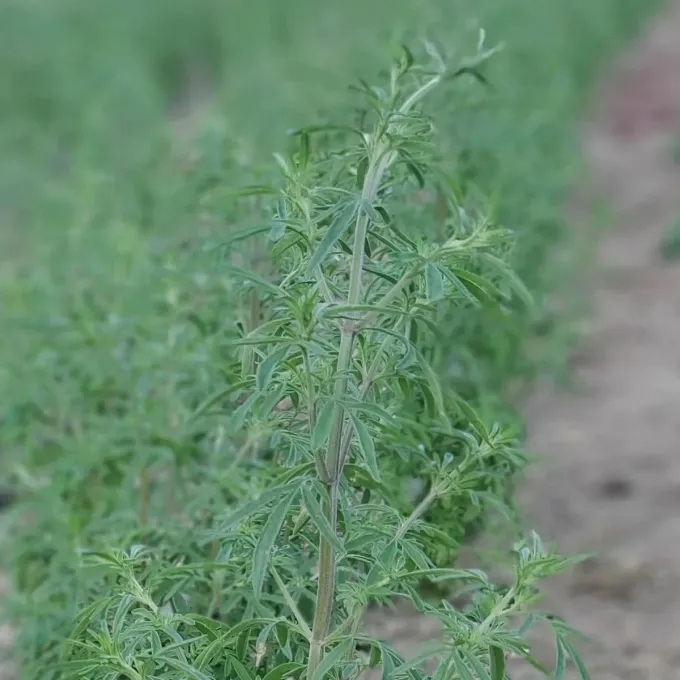
Description
Sowing dates
Sowing of Nepeta tenuifolia should be carried out in early spring when the soil warms up sufficiently, or alternatively in late autumn for winter sowing.
The seeds of this species are extremely fine, requiring surface planting and a very shallow covering of soil to ensure proper germination rates.
A row spacing of 45-60 cm is recommended for commercial plantations to allow for mechanical cultivation and optimal ventilation of the crop.
Adequate soil compaction after sowing is essential to ensure a firm seedbed, which improves capillary moisture movement toward the germinating seeds.
The standard seed rate is approximately 3-5 kg per hectare, provided that high-quality, certified seeds are used for the establishment of the stand.
Growing requirements
Nepeta tenuifolia is a perennial plant of the Lamiaceae family, known for its adaptability to a wide range of environmental and soil conditions.
The plant thrives in full sun and prefers light, well-drained loamy or sandy soils that maintain a neutral or slightly alkaline pH level.
It displays remarkable drought resistance and cold tolerance, making it a reliable crop for regions experiencing diverse continental climate cycles.
Poorly drained soils or stagnant water can lead to root degradation, so careful site selection and field leveling are critical agronomic steps.
Consistent exposure to sunlight is the primary requirement for healthy growth and the synthesis of essential oils in the plant’s foliage.
Yield
The average green mass yield for Nepeta tenuifolia ranges between 15 and 25 metric tons per hectare, depending on soil fertility and moisture.
Essential oil yield is a key metric, with the potential to reach 20-40 kg per hectare when harvesting is performed at the peak of flowering.
Maximum biomass production typically occurs during the second and third years of the crop life cycle, reflecting established root systems.
Strategic application of nitrogen and phosphorus fertilizers can significantly enhance vegetative development and chemical compound concentration.
Ongoing maintenance, particularly inter-row cultivation, is vital for managing weed competition and ensuring maximum yields in organic farming setups.
Main diseases and pests
Nepeta tenuifolia possesses natural phytocidal properties, providing strong protection against many common pests that attack other industrial crops.
However, excessive humidity or poor ventilation can trigger fungal outbreaks such as powdery mildew, which compromise both yield and oil quality.
Pests like aphids may occasionally affect young sprouts, necessitating regular field monitoring during the initial stages of spring development.
Integrated disease management focuses on crop rotation and the avoidance of high plant densities that restrict air circulation in the field.
Proactive prevention remains the most effective strategy, as chemical pest control methods are often avoided to maintain the plant's herb quality.
Harvesting
The harvest should occur during the full blooming phase to ensure the plant reaches its maximum potential concentration of active essential oils.
Mechanical harvesting utilizes specialized mowers adjusted to cut the foliage 10-15 cm above ground level, allowing for quick and clean collection.
Post-harvest logistics are crucial; the raw biomass must be transported quickly to prevent overheating and the degradation of volatile oil components.
Drying is performed in shaded, ventilated areas or industrial dryers at controlled temperatures below 45 degrees Celsius to preserve the oil quality.
Once dried, the raw material should be stored in cool, dry conditions to prevent the loss of aromatic properties before distillation or packaging.