
Nepeta subsessilis
Nepeta subsessilis Maxim.
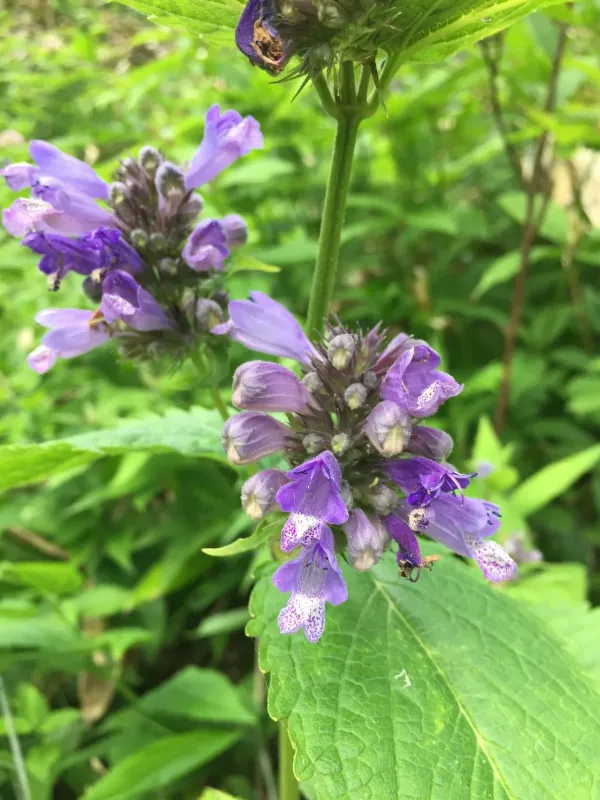
Description
Sowing dates
Nepeta subsessilis can be propagated through seeds or vegetative methods such as root division. Sowing seeds directly into the field should occur in early spring once soil temperatures reach at least 10–12 degrees Celsius.
For greenhouse production, sowing begins in March. Seeds require very light soil cover or just surface pressing, as light exposure is critical for successful germination.
Vegetative propagation via clump division is best performed during early spring or immediately after flowering in late summer. A spacing of 40 by 40 centimeters is recommended for optimal plant development.
The plant demonstrates high adaptability and roots quickly when soil moisture levels are maintained. Once established, this perennial herb can thrive in the same location for several consecutive years.
Effective weed management is necessary during the seedling phase to prevent competition for nutrients and space, ensuring robust development from the start.
Growing requirements
Belonging to the Lamiaceae family, this species is native to East Asia. It thrives in environments that offer moisture and high soil fertility, often found in mountain regions.
Unlike other catnip varieties, Nepeta subsessilis prefers consistent moisture. It performs best in soils that are rich in organic matter and possess a slightly acidic to neutral pH balance.
The site selection should prioritize full sun to light partial shade. While it is tolerant of shade, excessive light limitation may reduce the intensity of its vibrant floral display.
Regular irrigation is vital during the growing season to prevent leaf desiccation. The soil should be well-drained, even though the plant prefers constant hydration.
Applying balanced NPK fertilizers during the early growth stages significantly enhances biomass yield and nectar production in nectar-rich cultivars.
Yield
The plant is highly valued in both ornamental landscaping and beekeeping. Its nectar-rich flowers make it a significant asset for apiaries seeking to improve honey quality.
Medicinal applications rely on the essential oils contained in the aerial parts of the plant. Harvesting at the peak of bloom ensures the highest concentration of volatile compounds.
Biomass production is consistent under proper irrigation and soil management. Multiple cuts per season are possible if growing conditions are kept optimal.
For those growing it as an ornamental, deadheading spent flowers is a key practice. This simple maintenance step encourages a second flush of flowers and maintains the plant's aesthetic appeal.
The hardiness of the species allows it to overwinter successfully in temperate regions without the need for additional protective covering during the cold season.
Main diseases and pests
The primary threats to this crop include various fungal diseases that thrive in high-humidity or poorly ventilated conditions, such as powdery mildew.
Pests like aphids and flea beetles can compromise foliage health, especially in younger plants. Early detection and targeted treatment are essential to prevent outbreaks.
Weeds can quickly overrun a newly planted field, necessitating mechanical or manual cultivation. Mulching is often used as an effective strategy to suppress weed growth.
Integrated pest management (IPM) practices should be employed to protect the quality of the harvested medicinal material and to maintain the health of the pollinators.
- Monitoring for leaf spots or white powdery patches.
- Ensuring adequate spacing to facilitate air circulation.
- Removing debris at the end of the season to reduce pathogen persistence.
Harvesting
Harvesting for medicinal use should take place during the peak flowering stage, as this is when the secondary metabolites and oils reach their maximum potency.
The stems are typically harvested by cutting the top 20–30 centimeters of the plant. It is crucial to perform this during dry weather to ensure quality and shelf life.
Proper drying is essential, performed in shaded, well-ventilated areas or specialized ovens at temperatures not exceeding 40 degrees Celsius to preserve volatile oils.
The dried product must be stored in airtight containers in a cool, dark location to maintain its distinct aromatic profile and biological activity.
In autumn, following the final harvest, the remaining stems are mowed down to ground level to prepare the perennial rootstock for winter dormancy.