
Siberian catmint
Nepeta sibirica L.
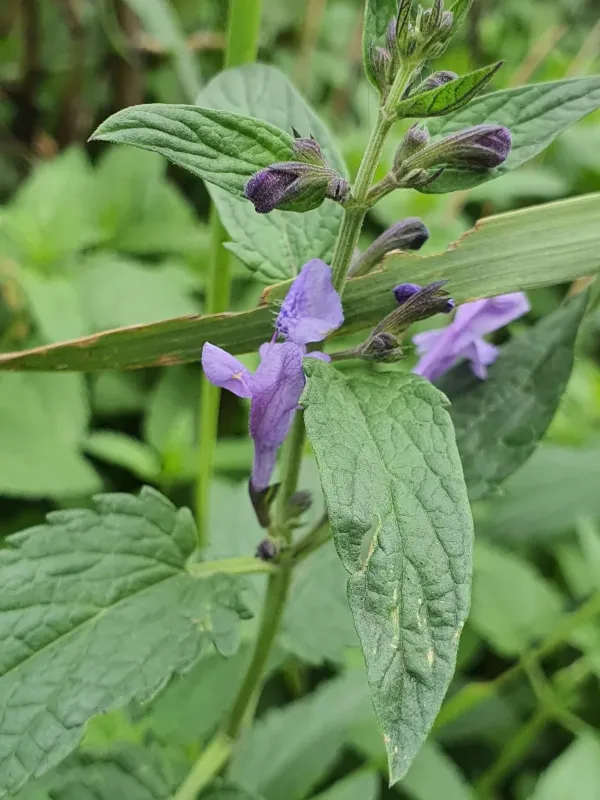
Description
Sowing dates
Siberian catmint (Nepeta sibirica) is a robust perennial herb belonging to the Lamiaceae family. It is typically propagated by seeds or division of mature rhizomes during early spring.
The seeds are small and require minimal soil coverage; planting them at a depth of 0.5 cm is ideal for promoting consistent germination and healthy seedling development.
When starting indoors, seeds should be sown in trays 6-8 weeks before the last frost to ensure a strong root system before transplantation into open fields.
For direct seeding, creating a fine tilth and maintaining soil moisture is crucial until the seedlings establish, which usually takes about two to three weeks.
Spacing between plants should be approximately 30-40 cm, with rows 50-60 cm apart to allow for proper airflow and effective weed management throughout the season.
Growing requirements
This species is highly adaptable and thrives in temperate climates, showing significant resistance to cold temperatures and typical seasonal fluctuations.
It prefers well-drained, fertile soil with a neutral pH, although it is known for its ability to tolerate slightly poorer soil types compared to other garden herbs.
Exposure to full sunlight is essential for the plant to produce high concentrations of essential oils, making location selection a priority for growers.
While mature plants are drought-tolerant, providing supplemental irrigation during the initial establishment phase and peak summer growth promotes higher biomass yields.
Avoid heavy clay soils that retain excessive moisture, as this can lead to root rot and decrease the plant's longevity over multiple harvest cycles.
Yield
Commercial yields for Siberian catmint are determined by the quality of the soil and the timing of the harvest relative to the flowering period of the crop.
On average, growers can expect high yields of biomass, which are processed into dried herbal material or extracted for essential oil production.
The plant is highly productive, and in optimal conditions, it can offer two distinct harvest cuts during the growing season, maximizing the land's utility.
Consistency in crop management allows the plant to persist in the field for several years, reducing the annual costs associated with soil preparation and sowing.
The quality of the final harvest is evaluated based on the oil content and the purity of the foliage, ensuring premium returns in the medicinal herb market.
Main diseases and pests
The main disease threat to Siberian catmint is powdery mildew, which often occurs during periods of high humidity and poor ventilation in the field.
Root rot caused by fungal pathogens can appear in poorly drained or waterlogged soils, necessitating proper land management and drainage systems.
Pests such as aphids can be problematic, particularly during the early vegetative stage, where they congregate on fresh, tender leaf growth.
Spider mites might also occur in hot, arid conditions, causing damage that reduces the photosynthetic efficiency of the leaves and lowers overall quality.
- Prevention: Maintain proper row spacing for airflow.
- Prevention: Rotate crops regularly.
- Control: Use bio-based pesticides to maintain crop safety.
Harvesting
The harvest should occur when the plants are in full bloom, as this is the exact moment when the essential oil profile is at its most concentrated level.
Using mechanical harvesters set at a specific height ensures the plants can regrow for a second cut without damaging the crown or rootstock of the crop.
Drying must occur immediately after cutting to prevent fermentation or the loss of volatile aromatic compounds that are highly sensitive to heat and light.
Controlled air-drying in shaded, well-ventilated structures preserves the botanical integrity and vibrant color of the Siberian catmint leaves.
Properly dried material is then milled or packaged according to industry standards, ready for long-term storage or processing for commercial herbal products.