
Catmint
Nepeta racemosa Lam.
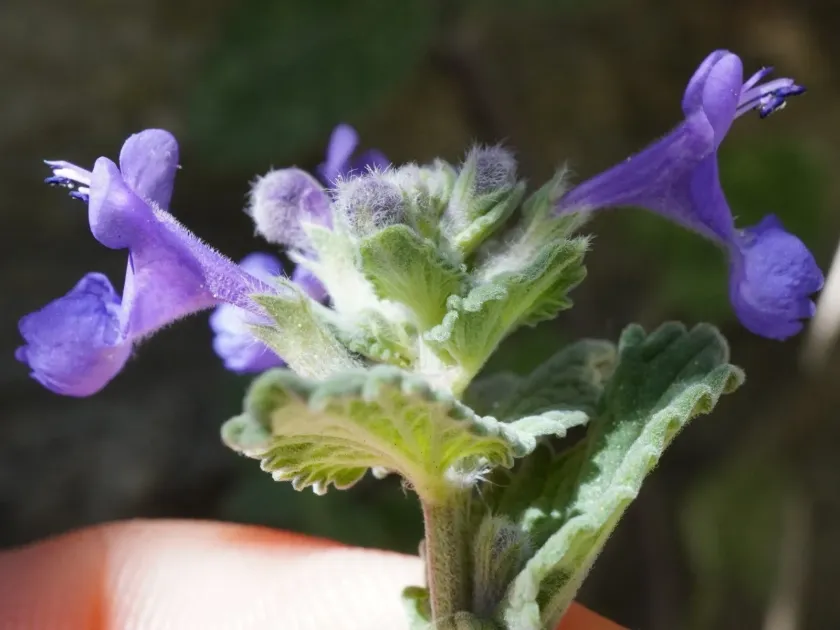
Description
Sowing dates
Sowing of Nepeta racemosa seeds is best performed in the spring when soil temperatures reach 10–12 degrees Celsius. For professional cultivation, using a greenhouse for seedling production is recommended, as it ensures a uniform germination rate before transplanting to the field.
The seeds are minute and should be surface-sown, covered only with a very thin layer of soil or fine vermiculite, no deeper than 0.5 centimeters. Consistent moisture is critical during the two-week germination period, as the seeds are sensitive to desiccation.
Once seedlings develop their first true leaves, they should be thinned or spaced at intervals of 30 centimeters. This spacing is vital for air circulation, which prevents the development of fungal diseases as the mature plants expand their foliage.
Vegetative propagation via root division is a highly efficient method for established plantations. Dividing healthy, mature clumps during the dormant season or early spring ensures robust growth and preserves the specific characteristics of the chosen cultivar.
When transplanting into the permanent growing site, ensure the root ball is set at the same level as the original soil. Immediate irrigation is necessary to establish the plants and reduce transplant shock during the initial rooting phase.
Growing requirements
Nepeta racemosa is a member of the Lamiaceae family, known for its extreme resilience and preference for sunny, open habitats. Full sun exposure is essential to maximize the concentration of aromatic essential oils within the leaves and flowers.
The ideal soil profile for catmint includes well-drained, sandy or loamy textures with a neutral pH. The crop performs poorly in heavy, waterlogged clay soils, as these conditions significantly increase the risk of root rot during the winter months.
This species is highly cold-hardy and can tolerate harsh winters without requiring protective covering in most temperate zones. Proper site selection must emphasize elevation or slopes to avoid frost pockets where cold air and moisture might settle.
Nutritional requirements are relatively low; excessive nitrogen fertilizers should be avoided. Over-fertilizing leads to excessive foliage growth at the expense of aromatic quality, which is the primary value of the crop in commercial production.
Weed management is most critical during the first season of growth. Once the catmint establishes a dense canopy, it acts as a ground cover that suppresses competing weeds, significantly reducing the need for mechanical intervention.
Yield
Yields of fresh biomass for Nepeta racemosa typically range between 15 to 25 metric tons per hectare under standard agricultural conditions. Productivity usually peaks in the second or third year following the establishment of the plantation.
The primary harvest period occurs during mass blooming. At this stage, the plant contains the highest concentration of phytochemicals, which are essential for its application in the pharmaceutical, culinary, and cosmetic industries.
With careful management, the crop is capable of producing two full harvests per season. The first harvest occurs in mid-summer, followed by a second cut in early autumn, ensuring that plants have enough time to store energy for the winter.
Proper post-harvest handling includes immediate processing or drying of the green mass. Drying at low temperatures (below 40 degrees Celsius) is necessary to preserve the volatile compounds that provide the plant's characteristic scent.
Beyond oil production, catmint is highly valued as a honey plant. Its late-season blooming attracts significant numbers of pollinators, providing an auxiliary ecosystem service that benefits other nearby agricultural crops.
Main diseases and pests
Catmint is naturally resistant to most pests; however, powdery mildew can occur in areas with stagnant air and high humidity. Improving spacing between rows is the most effective preventative measure against this fungal pathogen.
Root rot is the most common threat, usually caused by improper soil aeration or poor site drainage. If symptoms appear, reducing irrigation frequency and loosening the soil around the base of the plant can aid in recovery.
Aphids and certain leaf-eating beetles may occasionally target the crop during dry spells. Biological control agents or specialized botanical soaps are recommended to manage these populations without damaging the plant's quality or environmental safety.
In certain regions, domestic cats may cause mechanical damage to the plantation, as they are strongly attracted to the essential oils in the plant. Installing perimeter fencing can be a necessary protective measure for commercial fields.
To ensure long-term health, rotate the crop every 5 to 7 years. Avoiding continuous cultivation on the same plot helps manage soil pathogens and maintains the fertility balance required for high-quality production.
Harvesting
Harvesting should be performed using sharp mechanical cutters, leaving at least 10–15 centimeters of stem above the soil level. This facilitates rapid regrowth and ensures the longevity of the plant's root system.
Transporting harvested material should be prompt to prevent self-heating. Once collected, the biomass should be cleaned of dirt and weeds to ensure the purity of the final product and prevent spoilage during the drying phase.
Drying facilities must be well-ventilated and shaded to prevent the direct sunlight from degrading the essential oils. The material is typically laid out in thin, even layers on racks or screens until it reaches the desired moisture content.
Storage requires cool, dry, and dark conditions to maintain the longevity of the plant's properties. Hermetic or paper-based packaging is preferred to allow the product to breathe while protecting it from contaminants and oxidation.
After the final harvest of the season, a light cultivation of the soil between rows is beneficial. This practice encourages the formation of new basal rosettes, which strengthens the plants and improves their winter survival rates.