
Neottia smallii
Neottia smallii
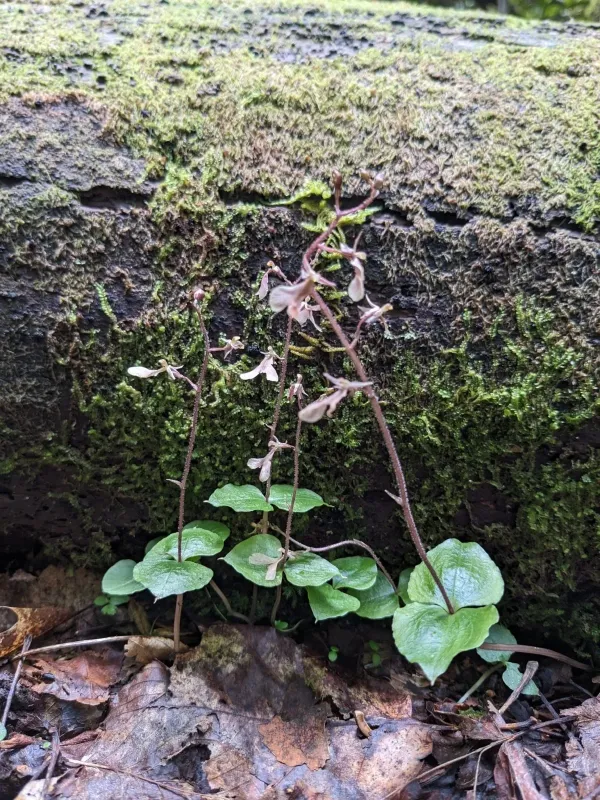
Description
Growing requirements
Neottia smallii is a distinct species belonging to the Orchidaceae family. It is recognized as a myco-heterotrophic plant, meaning it lacks chlorophyll and cannot perform photosynthesis, relying instead on a specialized symbiotic relationship with fungi to acquire nutrients.
The native distribution of this species is primarily focused on the forest ecosystems of North America. It thrives in shaded, damp woodland environments where rich organic soil layers support the specific fungal networks necessary for its survival.
The environmental requirements for this plant are extremely niche, necessitating stable moisture levels and undisturbed soil conditions. Cultivation is not feasible because the plant requires a living, intact fungal substrate to survive and reproduce.
Botanically, the species is characterized by its subterranean rhizomes and a small, often inconspicuous flowering spike. It does not possess leaves for capturing sunlight, as its entire nutritional cycle is completed underground through fungal absorption.
There is no commercial application for Neottia smallii in modern agriculture. It remains a subject of botanical interest and conservation efforts due to its complex biological reliance on symbiotic subterranean partnerships.
Main diseases and pests
The primary threats to Neottia smallii involve the destruction of its natural habitat, particularly deforestation and soil disruption. Any modification to the forest floor or the local hydrology can lead to the collapse of the necessary fungal hosts.
Environmental shifts and the encroachment of invasive plant species can alter the soil chemistry, making it impossible for the orchid to maintain its symbiotic link. Pathogenic fungi and rot can also pose risks to the delicate rhizomes in sensitive environments.