
Neottia auriculata
Neottia auriculata
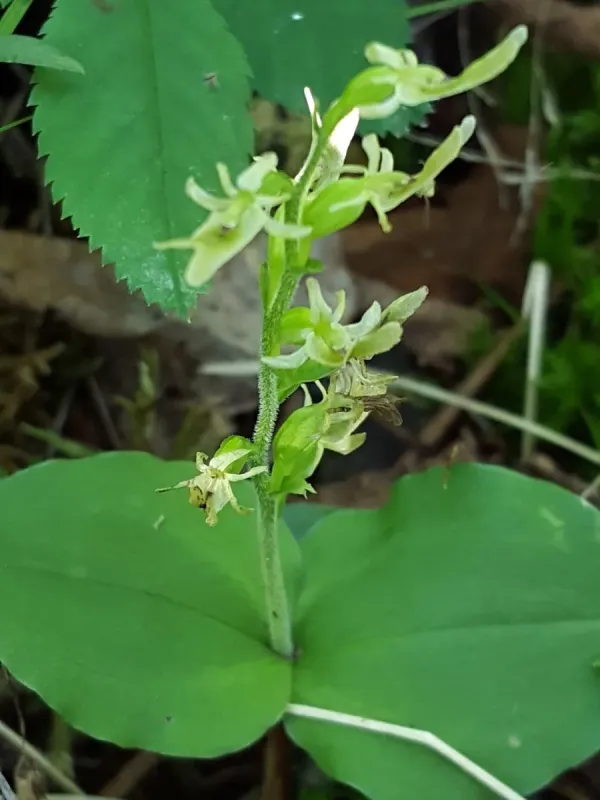
Description
Growing requirements
Neottia auriculata is a perennial herbaceous plant belonging to the Orchidaceae family. It is a highly specialized species that serves as a key indicator of undisturbed forest ecosystems in various parts of East Asia.
The plant exhibits a myco-heterotrophic lifestyle, meaning it relies heavily on symbiotic soil fungi for nutrient acquisition. This complex biological dependence makes the species exceptionally sensitive to environmental changes.
Its natural range includes dense, humid forests where consistent shade and stable soil moisture are maintained year-round. It primarily inhabits areas with a thick layer of leaf litter and decomposed organic matter.
Requirements for the site include moderate soil acidity and protection from direct sunlight. Any shift in the forest canopy, which alters the microclimate of the forest floor, drastically affects the survival rates of the plant.
As a non-agricultural species, it cannot be cultivated using standard farming techniques. Its growth is exclusively bound to natural successional stages of old-growth forests, which are difficult to replicate in controlled environments.
Main diseases and pests
The primary threat to Neottia auriculata is the destruction of natural forest habitats. Commercial logging and deforestation strip the site of the necessary shade and moisture, leading to the rapid disappearance of the orchid.
Potential threats also include soil compaction caused by heavy machinery in or near the forest habitat. This damages the delicate mycelial networks that are essential for the plant's nutrient uptake.
Diseases affecting this species are mostly linked to soil pathogens that flourish under disturbed moisture conditions. Excessive dampness or stagnation of water can lead to the rot of the orchid's root system.
Competition from fast-growing weeds and invasive plant species, which colonize disturbed forest plots, poses a significant risk. These competitors quickly overshadow the delicate Neottia, preventing its development.
Conservation of this species requires strict habitat protection and the establishment of protected zones where forest ecosystems are kept intact, ensuring the long-term survival of the orchid population.