
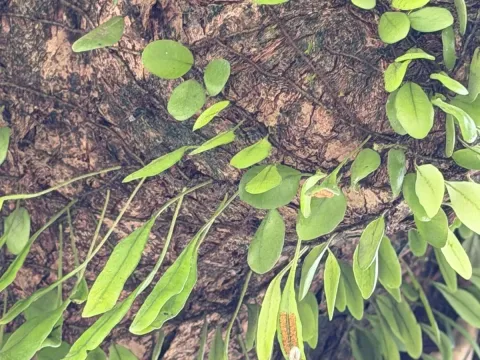
Neolepisorus
Neolepisorus
Neolepisorus is a genus of ferns belonging to the Polypodiaceae family. While not an agricultural commodity, it is highly regarded in the ornamental plant trade and among botanical collectors for its distinct, minimalist foliage structure and resilience in humid environments.
What the section contains

Neolepisorus
The plant originates from the tropical rainforests of Southeast Asia. In its natural habitat, it functions as an epiphyte or lithophyte, clinging to moist rocky surfaces or tree trunks where the canopy provides consistent shade and high levels of atmospheric humidity.
The botanical structure consists of a creeping rhizome that produces simple, entire, and leathery fronds. These leaves have a characteristic venation pattern that contributes to both its aesthetic appeal and its physiological ability to thrive in low-light, high-humidity ecosystems.
Cultivation requires specific environmental parameters: consistent high humidity and bright, indirect light. It is essential to avoid direct sun exposure, which can desiccate the leathery fronds. Optimal growth occurs in temperatures ranging from 20 to 25 degrees Celsius throughout the year.
The growing medium must be porous and well-drained. Suitable substrates typically include a mixture of bark, sphagnum moss, and perlite, which ensures adequate aeration for the rhizome while retaining necessary moisture. Regular misting or the use of humidifiers is often required in indoor settings.