
Neolepisorus ovatus
Neolepisorus ovatus
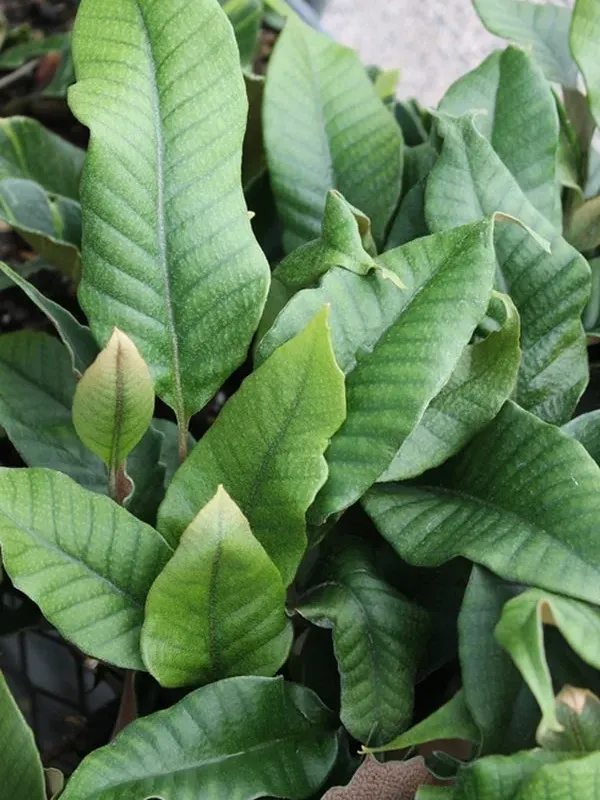
Description
Growing requirements
Neolepisorus ovatus is a distinct species belonging to the Polypodiaceae family. It is a perennial fern known for its simple, entire, and ovate-shaped fronds that arise from a creeping rhizome, making it a unique specimen for tropical botanical collections.
Originating from the humid forests of East Asia, this plant naturally thrives in environments with high atmospheric humidity and consistent temperatures. It is primarily found growing epiphytically or lithophytically in shaded forest habitats.
The cultural requirements for this fern emphasize a well-draining, organic-rich growing medium that mimics forest floor debris. Proper aeration of the rhizome is crucial to prevent fungal infections and root rot, which are the most common issues in enclosed environments.
Ideal conditions include moderate temperatures between 18°C and 25°C and protection from direct sunlight. High ambient humidity is essential for the healthy development of the fronds; failure to maintain sufficient moisture can lead to browning of the leaf margins.
While Neolepisorus ovatus is rarely used as a field crop, it serves an important role as an ornamental and botanical subject in specialized nurseries. Its maintenance requires a focus on precise microclimate control, specifically regarding water quality and ventilation levels.