
Nemesia versicolor
Nemesia versicolor E. Mey. ex Benth.
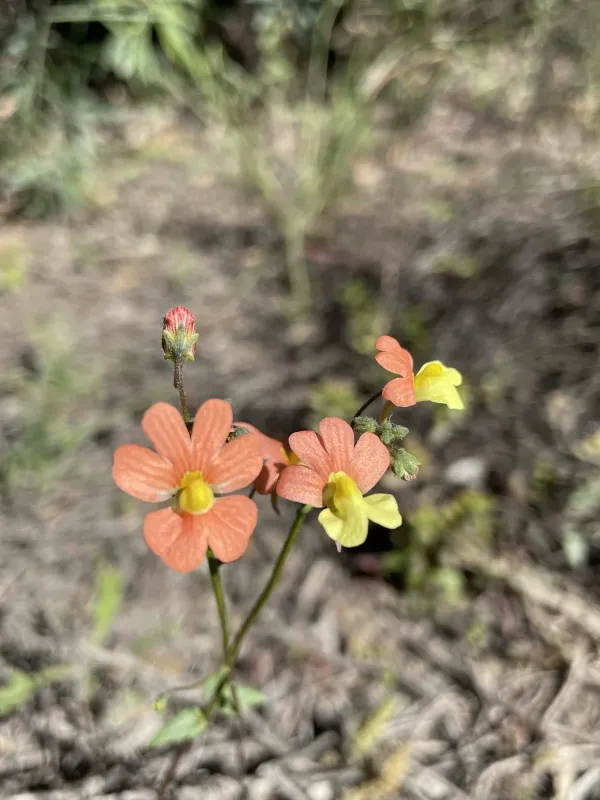
Description
Sowing dates
Nemesia versicolor is a charming annual herbaceous plant belonging to the Scrophulariaceae family. Known for its delicate, colorful flowers, it is a popular choice for borders, rock gardens, and container planting.
Sowing should ideally take place in late March or early April in indoor seed trays. If planting directly outdoors, it is essential to wait until all danger of spring frost has passed, as the species is heat-sensitive.
Seeds are tiny and require light to germinate effectively, so they should not be buried deep in the substrate. A light dusting of fine soil or vermiculite is sufficient to hold them in place while allowing light penetration.
When the seedlings develop their first true leaves, they should be pricked out into individual pots. Hardening off the plants before final transplantation ensures they adapt well to the outdoor environment.
To encourage a bushy, compact habit, pinching the terminal buds of the young plants is highly recommended. This practice directs the plant's energy into side branching, leading to a richer floral display.
Growing requirements
Nemesia versicolor thrives in well-draining, moderately fertile, and slightly acidic soil. Good drainage is critical, as the plant is highly susceptible to root decay if kept in constantly waterlogged conditions.
These plants prefer a position in full sun to partial shade. While they love sunlight, they also benefit from a cooler, sheltered spot during the height of the summer to prevent the soil from drying out too quickly.
Consistent moisture is key to maintaining healthy growth. During warm periods, supplemental watering may be necessary to keep the soil consistently moist but never saturated.
Applying a balanced liquid fertilizer every two weeks during the active blooming period will help maintain flower production and foliage vitality. Avoid excessive nitrogen, which promotes vegetative growth over blooms.
Deadheading spent flowers is a crucial maintenance task. Removing faded blossoms prevents the plant from setting seed and encourages the continuous production of new flower buds throughout the season.
Main diseases and pests
The primary threat to Nemesia versicolor is fungal infection, particularly root rot, often caused by overwatering or poor drainage. Infected plants often show signs of wilting despite moist soil conditions.
Common pests include aphids and spider mites. These small insects can colonize the undersides of leaves and flower buds, causing stunted growth and misshapen flowers due to sap loss.
Management of pest populations involves monitoring and the application of appropriate horticultural soaps or systemic insecticides if infestations become severe enough to threaten plant health.
Preventative cultural practices, such as providing adequate air circulation between plants and avoiding overhead irrigation, significantly reduce the risk of diseases spreading.
If fungal disease is suspected, removing affected plants immediately is advised to stop the pathogen from spreading to neighboring vegetation in the garden bed or containers.