
Nemesia brevicalcarata
Nemesia brevicalcarata Schltr.
Description
Sowing dates
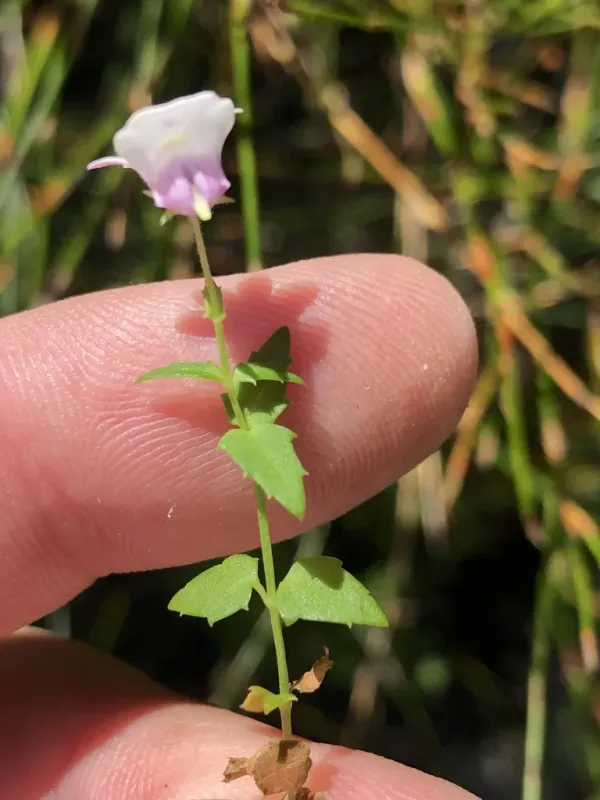
Nemesia brevicalcarata is an attractive flowering species belonging to the Scrophulariaceae family, valued in horticulture for its ornamental properties.
Propagation is primarily carried out via seeds, sown indoors in early spring using a well-draining seed-starting mix to ensure optimal germination rates.
Seeds require sufficient light and a stable temperature range of 18–20°C to sprout successfully, and they should be surface-sown without burying too deep.
Seedlings are transplanted to their permanent locations outdoors only after all risks of frost have passed, ensuring the plants have enough space to spread.
To encourage bushy growth, gardeners often pinch back the main stems once the seedlings have reached a sufficient height, promoting more lateral flower production.
Growing requirements
This species thrives in sunny, well-ventilated locations and requires fertile, light soil with excellent drainage to prevent root rot and other moisture-related issues.
Watering should be regular but cautious, as maintaining consistent soil moisture is crucial without creating a waterlogged environment around the base.
A balanced liquid fertilizer applied during the growth stage helps maintain vibrant blooms and strengthens the overall health of the plant throughout the season.
Though adapted to mild climates, it may benefit from mulch to keep the roots cool during the heat of mid-summer, which helps extend the flowering period.
The plant performs best when protected from strong, drying winds that can cause physical damage to the stems and lead to rapid moisture loss.
Main diseases and pests
Common plant diseases for this species include fungal infections such as root rot and powdery mildew, often triggered by excessive humidity or poor airflow.
Pests like aphids and spider mites are frequent threats, especially in warm, dry weather conditions, which can lead to stunted growth and foliage damage.
Effective management involves monitoring foliage frequently and applying appropriate horticultural soaps or insecticides if a pest population establishes.
Cultural practices such as proper spacing and avoiding overhead irrigation during the evening are essential to reducing the risk of fungal outbreaks.
Good sanitation, including the prompt removal of dead or diseased plant parts, is a vital step in maintaining a healthy and productive garden display.