
Nemesia denticulata
Nemesia denticulata
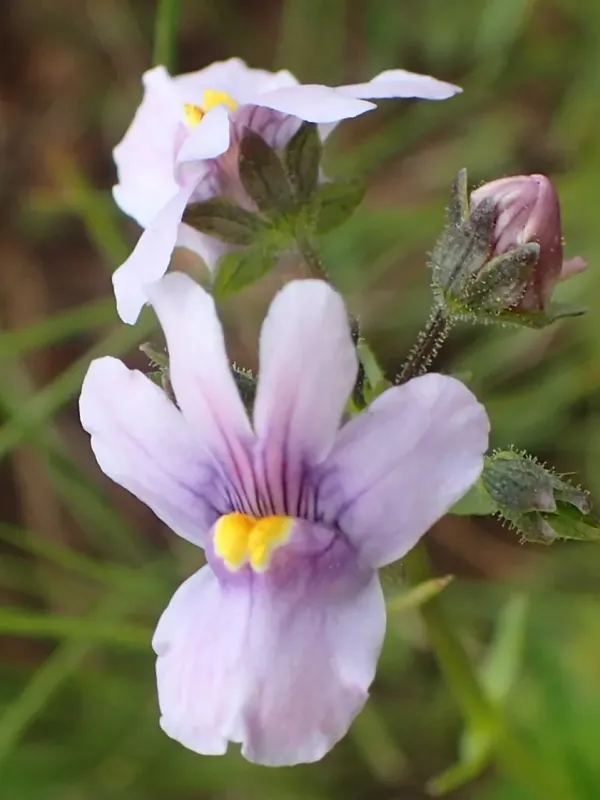
Description
Sowing dates
Sowing Nemesia denticulata seeds typically occurs in late winter or early spring, indoor under controlled conditions. The seeds are extremely small, requiring surface sowing on a moist, well-draining seed-starting mix without covering them, as they need light to germinate efficiently.
Maintaining a temperature range between 18 and 20 degrees Celsius is optimal for consistent germination. Covering the container with a plastic lid or film helps maintain necessary humidity levels, which is crucial during the initial stages of seedling development until germination is complete.
Once true leaves appear, seedlings should be carefully pricked out and transplanted into individual pots to facilitate root growth. Providing adequate lighting during this stage is essential to prevent etiolation, ensuring the plants develop sturdy stems and dense foliage.
Hardening off the seedlings is a critical step before moving them to their permanent outdoor location. Gradually exposing the plants to outside temperatures and wind over a period of two weeks helps them adapt to the local environment and reduces transplant shock.
Planting in the garden should only occur after the danger of frost has passed and the soil has sufficiently warmed up. Spacing plants about 15 to 20 centimeters apart ensures proper airflow, which is a key factor in preventing fungal infections in dense flower beds.
Growing requirements
Nemesia denticulata is a member of the Scrophulariaceae family and thrives in locations that receive full sun to light partial shade. For maximum flower production and vibrant coloration, these plants require at least six hours of direct sunlight each day during the growing season.
The soil must be fertile, well-draining, and rich in organic matter to support the rapid growth of these annuals. While the plants prefer consistent moisture, they cannot tolerate waterlogged soils, as this often leads to root rot and the subsequent collapse of the entire plant.
Regular irrigation is necessary to keep the soil evenly moist throughout the summer. During periods of extreme heat or drought, watering may need to be increased, but always ensure that the excess water can drain away freely to prevent stress on the root system.
Applying a balanced liquid fertilizer every two weeks during the active growth and flowering phase significantly boosts plant vigor. Proper nutrient availability is essential for sustaining the long blooming period and ensuring the plant continues to produce healthy, bright flowers.
Pinching the growing tips of young plants encourages bushier growth and lateral branching. This simple horticultural technique results in a more compact and floriferous plant, which is highly beneficial for both ground-level beds and hanging basket displays where plant density matters.
Main diseases and pests
Fungal pathogens are the most significant threats to Nemesia denticulata, particularly root rot, which is usually triggered by poor drainage or overwatering. Maintaining a strict irrigation schedule and ensuring the planting medium is light and porous are the best preventative measures.
Powdery mildew can infect foliage when humidity is high and airflow is insufficient around the plants. If white, flour-like spots appear on the leaves, fungicide applications are necessary to prevent the fungus from spreading and causing premature senescence of the plant.
Aphids often target the succulent new growth and developing flower buds of Nemesia. These pests extract plant sap, causing leaves to curl and flower production to decrease, thus requiring prompt intervention with contact insecticides or insecticidal soaps to manage the population.
Spider mites can become a problem in hot, dry weather, feeding on the undersides of the leaves and causing them to turn yellow or speckled. Regular inspection of the plant foliage allows for early detection, enabling effective management through targeted acaricides and increased air humidity.
A proactive approach to garden maintenance, which includes monitoring for these pests and diseases, is essential for a successful crop. By combining good sanitation with appropriate environmental controls, growers can ensure the health and high ornamental value of these flowers.
Harvesting
Nemesia denticulata is primarily utilized as an ornamental plant in landscaping and container gardening. Its ability to create dense, colorful displays makes it a popular choice for borders, rock gardens, and mass plantings in public or private garden settings.
In commercial horticulture, this species is cultivated as a popular pot plant, especially for patio and balcony decor. Because of its spreading habit, it is an excellent candidate for hanging baskets where its delicate, tooth-edged leaves and profuse flowers can be displayed to their best advantage.
Seed collection is performed after the plants have finished flowering and the seed pods have dried on the stem. The tiny seeds must be harvested in dry weather and cleaned thoroughly, then stored in a cool, dark, and dry environment to maintain viability for the following season.
As an annual species, the plants are usually removed from the garden beds after the first killing frosts. Cleaning up all debris is an important sanitary practice that helps maintain soil health and reduces the overwintering potential of various plant pathogens.
For those interested in extending the season, the plants can be lifted and moved into a bright, frost-free area or conservatory before the temperatures drop. With sufficient light and proper care, they may continue to provide blooms for a longer duration than they would outdoors.