
Nemesia caerulea
Nemesia caerulea Hiern
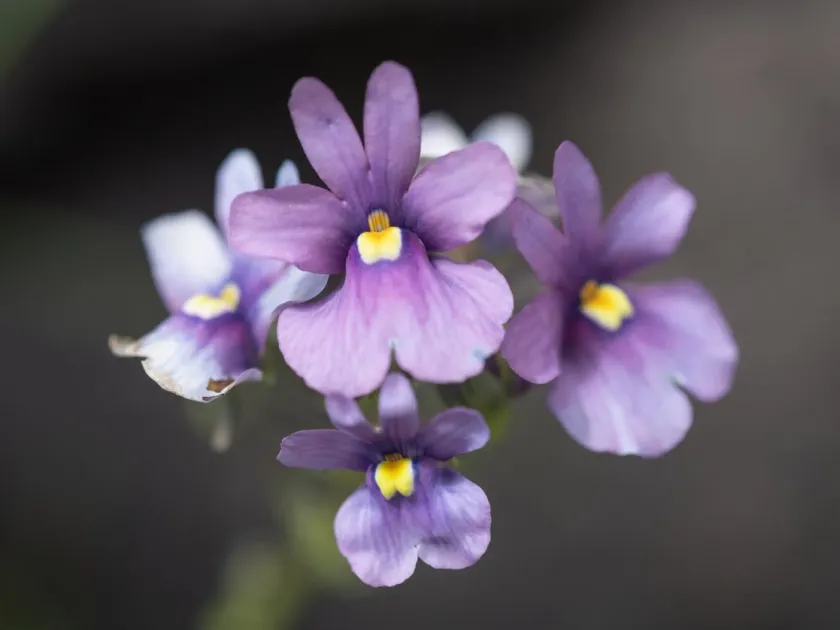
Description
Sowing dates
Sowing Nemesia caerulea seeds indoors typically begins in late winter or early spring, around March. This ensures healthy seedlings are ready for transplanting once the frost danger has passed.
The seeds are tiny and require light to germinate. Surface sowing is essential; press them gently into the growing medium without covering them with soil to ensure proper light absorption.
Maintaining a constant temperature between 18 and 20 degrees Celsius is critical for successful germination. Use a clear cover to retain humidity while the seeds are in the initial development phase.
Seedlings should be pricked out when the first true leaves appear. This process strengthens the root system and allows for better growth when the plants are eventually moved to their final growing spot.
Direct sowing in the garden is possible once the soil has sufficiently warmed up in late spring. Ensure the location receives plenty of sunlight to promote vigorous growth and healthy blooms.
Growing requirements
Nemesia caerulea Hiern belongs to the Scrophulariaceae family and is native to South Africa. It thrives in sunny locations, requiring at least six hours of direct sunlight per day to flower optimally.
Well-drained, fertile soil is a prerequisite for this crop. If the native soil is heavy clay, amending it with sand or organic matter is necessary to improve drainage and prevent root rot.
The plant prefers a moderate climate and performs best in temperatures ranging from 15 to 25 degrees Celsius. Extreme heat can cause the plant to wilt and cease flowering prematurely.
Consistent moisture is needed, but the soil should never be waterlogged. Watering should be deep but spaced out, allowing the surface to dry slightly to maintain root health and prevent disease.
When used as a container plant, ensure pots have drainage holes. High-quality potting mix that retains moisture while allowing excess water to drain away is highly recommended for container cultivation.
Yield
Nemesia caerulea is primarily used as an ornamental crop in landscaping, hanging baskets, and rock gardens. Its ability to produce dense, colorful flower clusters makes it a top choice for garden designers.
Regular deadheading of spent flowers is crucial to maintain visual appeal and extend the blooming season. This simple practice prevents seed formation and encourages the plant to produce new buds.
Pinching back the tips of young plants encourages bushier growth and creates a more compact habit. This is an essential technique for achieving professional, high-density floral displays.
Fertilization with a balanced, water-soluble fertilizer applied every two weeks supports sustained flowering. Avoid excessive nitrogen, which can favor foliage growth over floral production.
The crop is highly appreciated for its rapid growth cycle. Once established, it creates a vibrant visual impact, making it ideal for bedding plants or decorative borders in residential and public spaces.
Main diseases and pests
Root rot is the most common threat, usually caused by overwatering or poor drainage. Improving soil structure and managing the irrigation schedule are the primary methods for prevention.
Powdery mildew may occur if air circulation is poor or if the plants are kept in highly humid environments. Thinning out the plants can significantly reduce the risk of this fungal issue.
Aphids are typical pests that feed on the soft, new growth of Nemesia plants. Infestations should be managed early using insecticidal soaps or systemic pesticides to prevent damage to the buds.
Thrips can also affect the plant by damaging leaves and causing stunting. Monitoring for small, silvery streaks on the foliage is key to early detection and effective control.
Whiteflies can become a nuisance in greenhouses or warm, enclosed garden spaces. Using yellow sticky traps and horticultural oils helps manage population levels effectively throughout the growing season.