
Nemesia caerulea
Nemesia caerulea x N. foetens
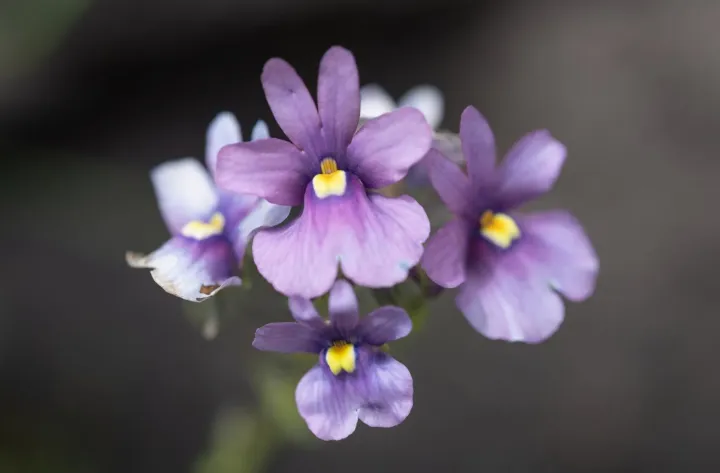
Description
Sowing dates
Nemesia caerulea (Nemesia caerulea x N. foetens) is a hybrid crop belonging to the Scrophulariaceae family. In temperate climates, seeds are sown indoors in late February or early March to ensure an early start to the flowering season.
The seeds are extremely small, so they should be sown on the surface of the moist substrate without covering them with soil. Gently press the seeds into the medium and cover the containers with clear plastic to maintain high humidity and a constant temperature of +20°C.
Pricking out the seedlings is performed when the second pair of true leaves appears. It is crucial to move them carefully into individual pots, as the root system is sensitive and does not tolerate rough handling during the transplanting process.
Transplanting into the garden bed should take place in May, after all danger of frost has passed. Planting density is recommended at 15–20 centimeters apart to ensure proper air circulation and to prevent the development of diseases within the foliage.
While direct sowing in the ground is possible in warmer regions during late spring, the seedling method remains the professional standard for this culture. It guarantees a more uniform growth rate and a longer flowering period for the plants.
Growing requirements
The plant thrives in sunny, sheltered locations protected from strong winds. While it enjoys full sun, in regions with intense heat, partial afternoon shade is beneficial to prevent the blooms from wilting prematurely and to maintain vibrant color.
Soil requirements for Nemesia involve well-draining, fertile, and light soil mixtures. The plant is highly sensitive to waterlogged conditions, which lead to root rot; therefore, the inclusion of perlite or sand in the soil mix is highly recommended.
Watering should be regular, keeping the substrate consistently moist but not saturated. During peak summer heat, it is important to water at the base of the plant to keep the leaves dry, which significantly reduces the risk of fungal infections.
Fertilizing with balanced liquid fertilizers every two weeks is essential for continuous blooming. Avoid high-nitrogen fertilizers, which promote excessive vegetative growth at the expense of the abundant flower production typical of this species.
Deadheading spent flowers is a key agrotechnical practice that encourages the plant to put energy into producing new buds. This simple task significantly extends the flowering season and keeps the plant looking tidy and attractive throughout the summer.
Main diseases and pests
Aphids are the primary pests that attack the tender shoots and buds of the plant. These insects suck the sap, leading to stunted growth and leaf curling, necessitating immediate intervention with systemic insecticides if a large infestation is observed.
Botrytis cinerea, or gray mold, is a common fungal disease caused by high humidity and poor ventilation. It manifests as a grayish fuzz on stems and foliage, and it is best managed by removing infected parts and improving the airflow around the plants.
Root rot is a major threat linked to overwatering or poorly drained garden soil. Once the roots are damaged, the plant loses its ability to absorb water and nutrients, leading to rapid wilting and collapse of the entire bush structure.
Spider mites can be problematic during periods of hot, dry weather. They feed on the undersides of the leaves, causing them to develop a mottled appearance and eventually turn yellow. Regular misting can help prevent their initial establishment.
Slugs and snails may cause mechanical damage to the foliage, especially in damp or shady garden sections. Using physical barriers or bait traps is effective in protecting the young plants from these pests during the early stages of establishment.