
Nemesia caerulea
Nemesia caerula
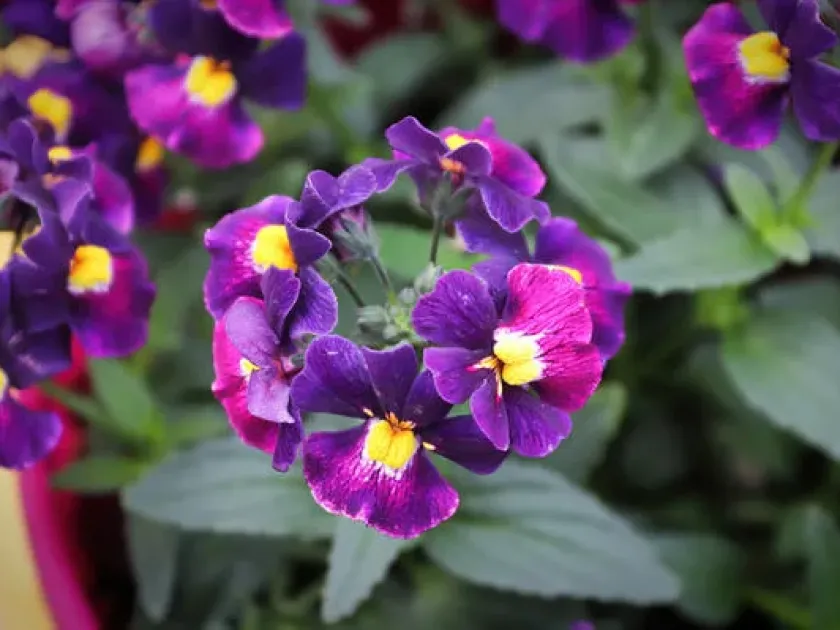
Description
Sowing dates
Nemesia caerulea is typically grown from seeds started indoors in early spring, around March. This method ensures that the plant is established well before the summer heat arrives.
The seeds are minute and should be sown on the surface of the growing medium without covering them, as they require light to germinate effectively.
Maintaining a temperature of about 18–20 degrees Celsius is crucial for consistent germination. Keep the seed tray covered with a plastic film to maintain constant humidity.
Transplanting to individual pots is necessary once the seedlings have developed two sets of true leaves. Ensure the roots are handled with care to prevent transplant shock.
Seedlings can be hardened off and planted outdoors once all danger of frost has passed, usually late May, spaced about 20–25 cm apart.
Growing requirements
As a member of the Scrophulariaceae family, Nemesia caerulea thrives in full sun conditions. Originating from South Africa, it prefers bright, warm environments.
The soil should be light, fertile, and exhibit excellent drainage properties. Incorporating organic matter into the soil helps retain moisture without causing waterlogging.
Watering should be regular, ensuring that the top layer of the soil is kept moist. However, it is essential to allow the soil to drain properly between waterings.
Apply a balanced, water-soluble fertilizer every two weeks during the active growth phase to promote lush foliage and continuous flower production.
The plant performs best in a location protected from strong winds, which can damage the delicate stems and blooms of this species.
Main diseases and pests
The most common threat to Nemesia caerulea is root rot, caused by overwatering or poorly draining soil. Ensuring adequate soil aeration is the primary preventive measure.
Powdery mildew can occur in conditions of high humidity and poor air circulation. Pruning the plants to allow better airflow significantly reduces this risk.
Aphids are frequent pests that infest tender growth. Regular monitoring and the application of natural insecticidal soaps can manage these populations effectively.
Thrips may also target the flowers, causing discoloration and deformation. In cases of severe infestation, targeted insecticidal treatments are necessary.
Nematode infestations can lead to stunted growth and wilting. If detected, remove the affected plants and solarize the soil to eliminate the pest cycle.
Harvesting
Nemesia caerulea is primarily used for ornamental purposes, such as borders, rock gardens, and container planting. It is valued for its vibrant blue-lavender blooms.
To extend the flowering season, it is recommended to "deadhead" or prune the plant by one-third after the initial flush of blooms to encourage new growth.
While not traditionally used as a cut flower, its aesthetic appeal in mixed containers makes it a highly sought-after plant for landscape designers.
Seeds can be collected once the capsules turn brown and dry. They should be stored in airtight, cool containers to maintain viability for the following season.
The plant is typically managed as an annual. Proper sanitation, including the removal of debris after the season, prevents overwintering of pathogens.