
Nemesia denticulata x Nemesia caerulea
Nemesia denticulata x Nemesia caerula
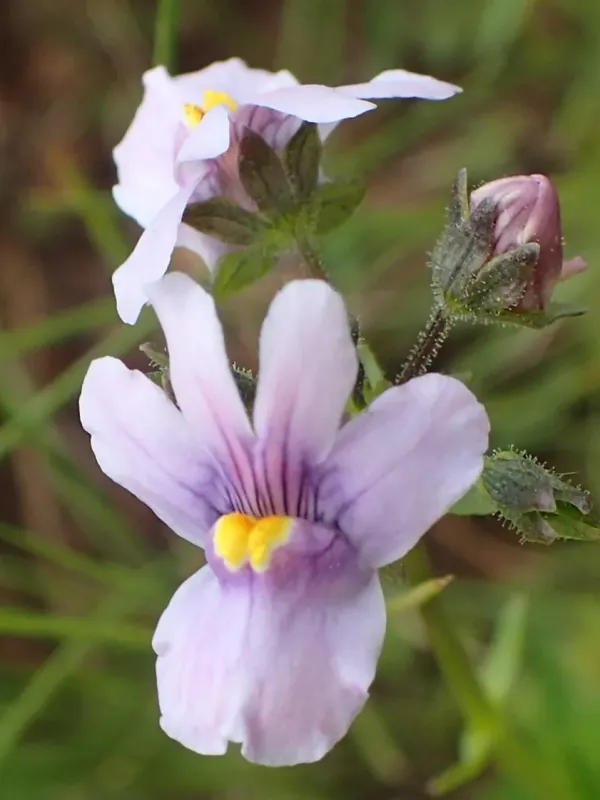
Description
Sowing dates
Nemesia denticulata x caerulea is a popular hybrid variety valued for its vibrant floral display. Sowing is typically performed indoors in late winter or early spring to ensure a long flowering season from early summer onwards.
The seeds require light to germinate effectively, so they should be surface-sown on a fine, moist potting mix. Press the seeds gently into the substrate without burying them to allow proper access to light.
Cover the seed trays with a clear plastic lid or glass to maintain consistent humidity and temperature. A temperature range of 18–20 degrees Celsius is ideal for successful germination within 10 to 14 days.
Prick out the seedlings once they develop their first set of true leaves. Due to the sensitive nature of the root system, it is recommended to transplant them into individual small pots to reduce root disturbance.
Transplanting into the garden or final containers should only occur once the risk of frost has completely passed. Acclimatizing the plants through a hardening-off process is essential for their successful establishment outdoors.
Growing requirements
This hybrid belongs to the Scrophulariaceae family and flourishes in environments that mimic its natural habitat. It thrives in full sun but benefits from light shade during the hottest parts of the day in warmer climates.
Well-draining, fertile soil is a non-negotiable requirement for healthy growth. The roots are susceptible to rotting if the soil remains waterlogged for extended periods, necessitating a porous growing medium.
The soil should be kept consistently moist but not saturated. Regular watering, especially during dry spells, is critical to prevent the plants from wilting and to ensure continuous production of blooms.
While the plant is generally resilient, it prefers neutral to slightly acidic pH levels. Incorporating organic compost before planting helps improve soil structure and provides the slow-release nutrients needed for growth.
Optimal spacing between individual plants is approximately 20–30 centimeters. This density promotes adequate air circulation, which helps manage ambient humidity levels around the foliage.
Main diseases and pests
Common pests such as aphids and spider mites are frequent challenges, especially during periods of high heat and low humidity. These insects feed on sap, often causing distorted foliage and stunted development.
Fungal diseases, including root rot and downy mildew, represent the primary health threats. These conditions are usually exacerbated by poor drainage and stagnant air around the base of the plant.
Effective pest management involves early detection and the use of targeted insecticides. Applying treatments in the cool of the evening helps protect beneficial insects and prevents chemical burning of the foliage.
To prevent fungal issues, remove any decaying or dead plant material from the vicinity. Maintaining cleanliness in the garden beds significantly reduces the population of overwintering pathogens.
Applying a fungicide if mildew symptoms appear is advisable, but ensuring proper plant spacing and careful watering habits are the most effective preventative strategies against disease outbreaks.
Harvesting
The primary use of this hybrid is ornamental, making it a standout choice for flower borders, rockeries, and hanging baskets. Its ability to bloom continuously makes it a favorite in modern landscaping.
Deadheading faded blooms is essential to prevent the plant from putting energy into seed production. This simple practice encourages the development of fresh buds and extends the overall flowering period.
In mid-season, if the stems become leggy or sparse, a light prune is recommended to stimulate fresh growth and improve the overall shape of the plant for the remainder of the season.
Since this hybrid is typically grown as an annual, plants are usually removed from the garden at the end of the season. In temperate climates, they will not survive the winter outdoors.
Seed collection is possible when the capsules dry, though it is important to note that hybrids do not always breed true to type. Therefore, gardeners are encouraged to purchase fresh seeds annually to ensure the quality of the plants.