
Nemesia cheiranthus
Nemesia cheiranthus E. Mey. ex Benth.
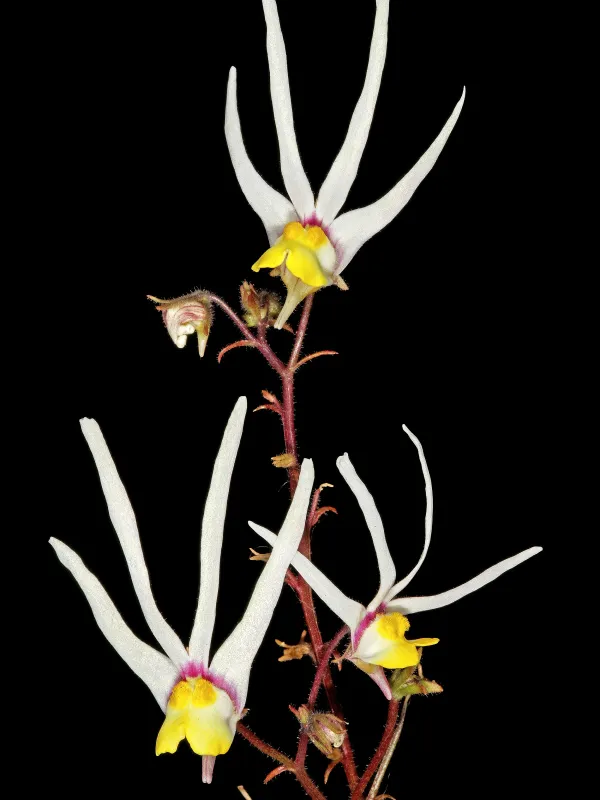
Description
Sowing dates
Nemesia cheiranthus is a heat-loving annual plant that requires precise timing for sowing to ensure successful establishment. For optimal results, seeds should be started indoors in trays during March or April.
Direct sowing in the garden is only feasible after all risks of frost have passed and the soil has warmed up significantly, which usually occurs in late May in most temperate zones.
The seeds of this species are extremely fine and should be sown on the surface of the growing medium. Do not bury them deeply; instead, lightly press them into the moist soil or cover with a very thin layer of fine sand.
Pricking out the seedlings into individual pots is recommended once the first true leaves have developed. This helps to protect the sensitive root system and minimizes transplant shock later in the season.
Hardening off the plants is a crucial step before they are moved to their final outdoor location. Gradually acclimatize the seedlings to outdoor conditions over a week to prevent damage from wind or direct sun.
Growing requirements
Belonging to the Scrophulariaceae family, Nemesia cheiranthus thrives in locations with full sun exposure. While it can handle light partial shade in extremely hot climates, it generally prefers high light intensity.
Well-draining, fertile soil is essential for this species. If your soil is heavy or prone to waterlogging, it must be amended with organic matter or grit to ensure adequate air circulation around the roots.
The ideal soil pH is neutral or slightly acidic. Plants grown in highly alkaline conditions often display signs of chlorosis, which can be mitigated by using appropriate soil amendments.
Consistent moisture is key to keeping the plant blooming throughout the summer. Water whenever the top inch of soil feels dry, but avoid overwatering to prevent root rot, which is a major threat to this crop.
Regular deadheading is highly beneficial. By removing faded flowers, you encourage the plant to direct its energy into producing new buds rather than setting seeds, thus prolonging the flowering season.
Main diseases and pests
Common pests that target Nemesia cheiranthus include aphids and spider mites, which can quickly build up populations during dry, warm periods. These insects cause leaf curling and weaken the overall plant vitality.
Root rot is the most serious threat, usually caused by stagnant water in the root zone or poor drainage. Infected plants will suddenly wilt and collapse, showing dark, mushy stems at the base.
Insecticide treatment should be applied immediately upon the detection of pests to prevent significant damage. Always choose treatments that are safe for pollinators if the plant is in an active flowering stage.
To prevent disease, maintain good hygiene in the garden by removing dead plant debris and ensuring proper spacing between plants to encourage better airflow and prevent moisture buildup.
- Use high-quality, sterile potting mix for sowing.
- Monitor plants for early symptoms of nutrient deficiency.
- Ensure the site has excellent drainage characteristics.