
Nemesia
Nemesia strumosa x Nemesia fruticans
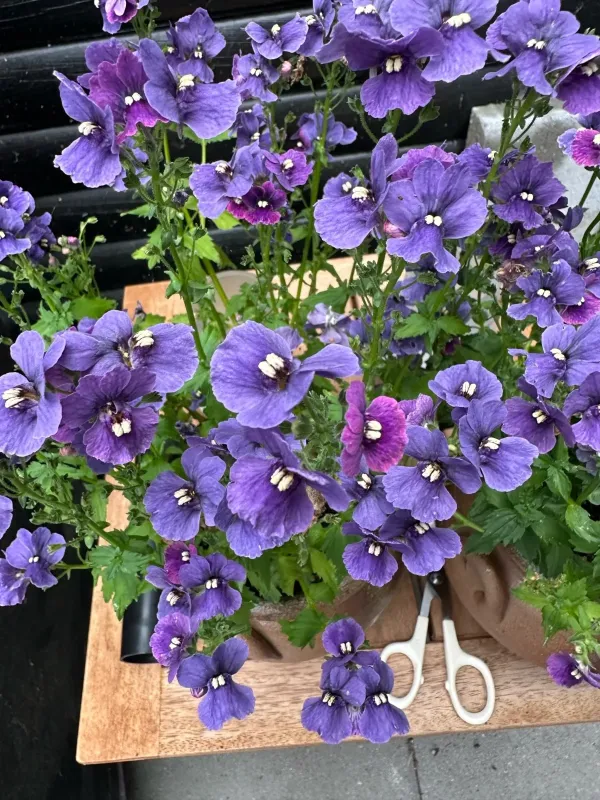
Description
Sowing dates
Nemesia seeds should be started indoors in late winter or early spring, approximately six to eight weeks before the last expected frost date. Use a high-quality, sterile seed-starting mix and provide consistent warmth around 18–20 degrees Celsius.
Direct sowing into the garden is possible once the soil has warmed up and all danger of frost has passed. Seeds require light to germinate, so they should be pressed into the surface of the soil rather than buried deeply during the sowing process.
To encourage bushy, well-branched plants, gardeners should pinch off the growing tips of the seedlings once they have developed several sets of true leaves. This simple technique significantly enhances the final display of flowers throughout the growing season.
Space the transplants about 20 to 25 centimeters apart to ensure proper airflow between the plants. Adequate spacing is crucial for maintaining plant health and preventing common fungal issues associated with stagnant air.
Select a location that receives full sun to light shade, depending on your local climate. In regions with intense summer heat, afternoon shade is highly beneficial for keeping the plants cool and preventing premature dormancy.
Growing requirements
Nemesia belongs to the Scrophulariaceae family and is native to South Africa, which defines its preference for temperate conditions. It is widely used in containers, hanging baskets, and as a border plant for its prolific, colorful blooms.
The ideal soil for Nemesia is light, well-draining, and rich in organic matter. While the plants are somewhat adaptable, they perform best in soil with a slightly acidic to neutral pH level that provides adequate moisture retention without waterlogging.
Watering is a critical aspect of care; the soil should be kept consistently moist but never waterlogged. During dry spells, check the soil moisture daily, and apply water at the base of the plant to avoid wetting the delicate foliage.
Fertilization with a balanced, water-soluble fertilizer every two weeks during the active growth phase will promote continuous flowering. Over-fertilization should be avoided, as it may lead to excessive vegetative growth at the expense of blooms.
Nemesia thrives in cool to moderate temperatures and may struggle during peak summer heat waves. Applying a layer of mulch around the base of the plants can help regulate soil temperature and conserve the necessary moisture for healthy development.
Main diseases and pests
Common pests that may affect Nemesia include aphids and spider mites, which can quickly colonize stressed plants. Regular inspections of the foliage, especially the undersides of the leaves, will help in detecting these pests early.
Root rot is a major threat to Nemesia, typically resulting from poor soil drainage or over-irrigation. If the foliage begins to wilt despite moist soil, it is often a sign of root system damage, necessitating immediate cultural adjustments.
To prevent fungal diseases like powdery mildew, ensure the plants are not overcrowded and that they receive adequate air circulation. Keeping the foliage dry during watering is a fundamental practice in maintaining plant immunity.
If an infestation or disease occurs, it is best to remove and destroy the most severely affected plants to stop the spread. Chemical controls should be used as a last resort and strictly according to the product's safety instructions.
Regular deadheading of spent flowers is an essential practice that prevents the plant from expending energy on seed production. This not only keeps the plant looking tidy but also encourages a second flush of flowers later in the season.