
Nemesia strumosa
Nemesia strumosa Benth.
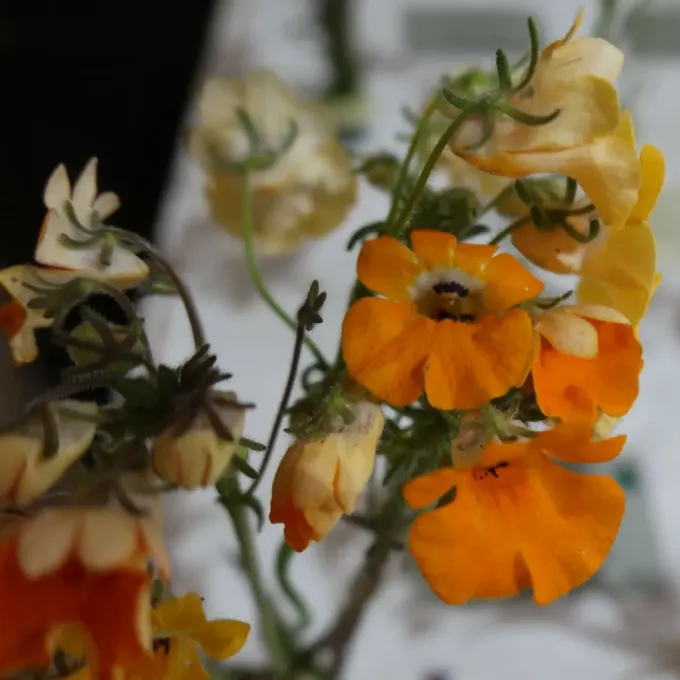
Description
Sowing dates
Nemesia strumosa, commonly known as the pouched nemesia, belongs to the Scrophulariaceae family and is a popular choice for annual floral displays. Seeds are typically sown indoors in late winter to early spring for an earlier display.
The seeds are very fine and should be pressed into the surface of moist, seed-starting compost without being buried deeply. A thin layer of vermiculite can be applied to keep them in place while allowing light to penetrate.
Germination usually takes about two weeks when kept at temperatures between 15 and 20 degrees Celsius. Once the seedlings develop their first true leaves, they should be pricked out into individual containers.
Direct sowing into the garden is possible once the danger of frost has passed. Seeds should be sown in rows or broadcast in prepared beds, then thinned out to provide enough space for air circulation.
Hardening off the seedlings is essential before transplanting them into the open ground. This process ensures the plants acclimatize gradually to outdoor environmental stressors over a period of 7–10 days.
Growing requirements
This species thrives in locations with full sun to partial shade. In areas with extremely hot summers, some afternoon shade is beneficial to prevent the foliage from scorching and to extend the blooming period.
The ideal growing medium is a rich, well-draining soil that retains moisture without becoming waterlogged. Adding organic matter, such as compost or peat, can improve the structure of sandy or heavy clay soils.
Consistency is key when it comes to irrigation. While Nemesia prefers moist conditions, it is susceptible to root rot if left in standing water; therefore, proper drainage is a critical component of successful culture.
Fertilization with a balanced, water-soluble fertilizer applied every two weeks helps sustain continuous blooming. Over-fertilizing with nitrogen should be avoided to prevent excessive vegetative growth.
Pruning back the plants after the first major flush of blooms can encourage a second wave of flowers. Removing dead flowers consistently prevents seed production, redirecting energy back to new floral buds.
Main diseases and pests
Aphids are the most frequent insect pest for Nemesia, often clustering on the tender stem tips. They can be effectively managed with insecticidal soap or by introducing beneficial insects like ladybugs.
Spider mites can become a significant issue during periods of prolonged drought or heat. They cause stippling on the leaves and can eventually lead to leaf drop if left uncontrolled.
Root rot, often caused by Pythium or Phytophthora fungi, is the primary disease concern. This occurs mostly in poorly drained soils or during exceptionally wet, cold spells in spring.
Powdery mildew can also affect the foliage, typically during late summer when humidity levels fluctuate. Ensuring proper plant spacing can significantly reduce the risk of this fungal development.
- Improve soil drainage before planting.
- Monitor plants for early signs of pests.
- Avoid overhead watering to keep foliage dry.