
Nemesia silvatica
Nemesia silvatica Hilliard
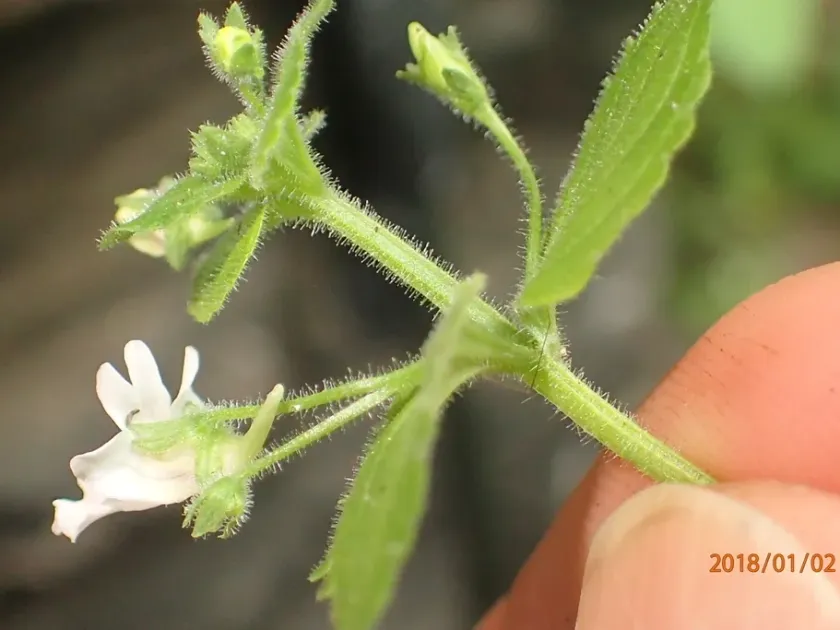
Description
Sowing dates
Nemesia silvatica is an attractive herbaceous plant belonging to the Scrophulariaceae family. Known for its delicate appearance, it is frequently cultivated as an annual in various gardening applications due to its prolific blooming habit.
For indoor propagation, seeds should be sown in late March or early April. Since the seeds are extremely small, they require a light, well-draining sowing mix and must not be buried too deeply to ensure optimal germination rates.
Transplanting into the garden should occur once all danger of frost has passed. Plants should be spaced approximately 20 centimeters apart, which provides sufficient room for air circulation and reduces the risk of fungal infections.
Choosing the right location is crucial; while the plant thrives in full sun, it benefits from partial shade during the heat of the afternoon in warmer climates to protect the root system from overheating.
Pruning is a vital maintenance practice for this culture. Trimming back the stems after the first flush of flowers encourages the plant to produce a second set of blossoms, prolonging the visual appeal throughout the summer months.
Growing requirements
The ideal growing medium for Nemesia silvatica is fertile, loose, and well-drained soil with a slightly acidic to neutral pH. Heavy, compacted soils should be amended with organic matter or sand to improve structure.
Consistent moisture is essential for this plant. While it requires regular watering, it is highly sensitive to waterlogging, which can lead to rapid root decay. A steady supply of water is better than infrequent, heavy soaking.
When it comes to fertilization, a balanced, low-nitrogen liquid fertilizer is recommended every few weeks. High nitrogen levels tend to promote excessive vegetative growth at the expense of floral production.
To achieve a compact and bushier habit, pinching the growing tips of young plants is a standard agricultural practice. This encourages lateral branching and results in a more robust and floriferous specimen.
The plant prefers cool to moderate temperatures for best performance. During heatwaves, providing mulch around the base of the plant can help maintain cooler soil temperatures and retain necessary ground moisture.
Main diseases and pests
Aphids and spider mites are the most common pests affecting Nemesia silvatica. These insects thrive in dry conditions and can cause significant damage to the foliage and buds if left unmonitored or untreated.
Root rot is the most significant disease risk, typically triggered by poor drainage or overwatering. Maintaining a proper soil moisture balance is the primary preventative measure against this physiological and pathological threat.
Gray mold (Botrytis) may appear in damp, humid conditions with poor ventilation. Removing infected plant debris and ensuring proper spacing between plants are effective strategies to prevent the spread of the fungus.
Integrated pest management, including regular inspection and the use of insecticidal soaps or specific acaricides, helps maintain the health of the plants throughout the growing season.
Keeping the garden bed free of weeds and dead organic material reduces the hiding spots for pests and helps prevent the buildup of pathogens, ensuring a healthier and more resilient stand of plants.