
Nemesia fruticans
Nemesia fruticans
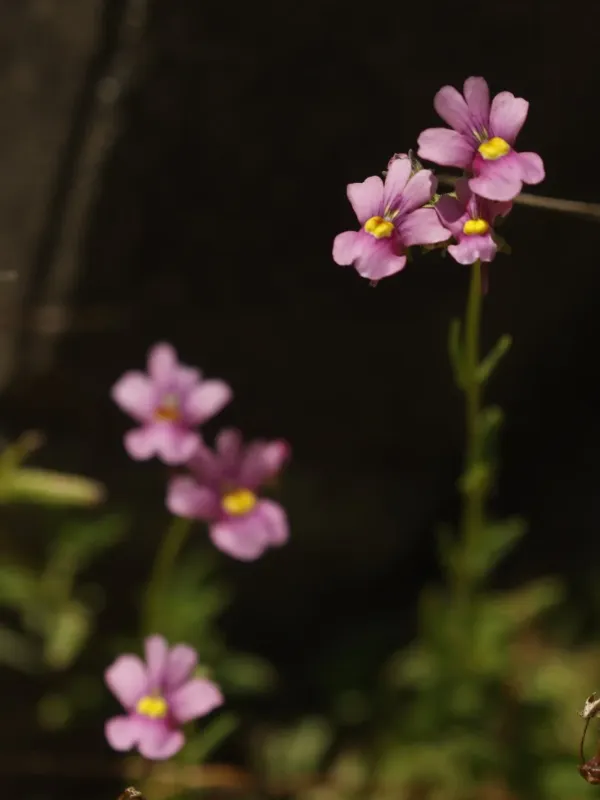
Description
Sowing dates
Nemesia fruticans is typically propagated from seeds to ensure strong and healthy planting stock. Sowing starts in late winter, specifically from late February to March, inside a greenhouse or a climate-controlled indoor area.
The seeds require a fine, well-draining substrate for successful germination. It is crucial not to cover the seeds too deeply with soil, as they need a moderate amount of light to trigger the sprouting process.
Once seedlings have developed at least two true leaves, they should be carefully pricked out into individual pots. This practice promotes the development of a robust root system and helps prevent overcrowding in the nursery stage.
Hardening off the seedlings is a critical agrotechnical step before moving them to their final location. This transition period, usually lasting two weeks, prepares the young plants for the environmental stressors of the open garden.
Transplanting into the garden should only take place once the threat of spring frosts has completely passed. The optimal spacing is about 20 to 25 centimeters, which allows for proper airflow around the foliage.
Growing requirements
As a member of the Scrophulariaceae family, Nemesia fruticans thrives in sunny, open locations with well-drained, nutrient-rich soil. It is native to the diverse landscapes of South Africa, preferring temperate conditions.
Soil quality is paramount; the plant requires a pH range from neutral to slightly acidic. If the soil is heavy or prone to waterlogging, amending it with sand or organic mulch is essential to maintain root health.
Regular watering is necessary, especially during peak blooming periods, but it must be balanced. Soil moisture should be consistent, yet the root zone should never become waterlogged to prevent rot.
Fertilization with a balanced, water-soluble fertilizer every two weeks during the active growing season will promote vibrant floral displays. Avoid excessive nitrogen, which can lead to lush foliage but significantly fewer blooms.
The plant performs best in temperatures between +15 and +25 degrees Celsius. In areas where temperatures regularly exceed +30 degrees, providing afternoon shade can prolong the life and health of the plant.
Main diseases and pests
Root rot is the most common pathology for Nemesia fruticans, usually resulting from excessive moisture and poor soil drainage. Infected plants often show stunted growth and wilting that cannot be corrected with watering.
Pests like aphids and spider mites are frequent threats during periods of high heat and low humidity. These insects feed on plant sap, leading to stunted stems and distorted, yellowing leaves if left unchecked.
Integrated pest management, including the use of systemic insecticides, is recommended for controlling severe infestations. Always apply these treatments during cooler parts of the day to avoid leaf scorch.
Powdery mildew can emerge in climates with high humidity and poor ventilation. Keeping the area free of weeds and dead plant material is an effective preventative measure against this fungal disease.
To ensure a healthy crop, growers should perform frequent inspections and maintain proper tool hygiene. Removing spent flowers and diseased branches helps keep the plant’s energy focused on new growth and production.