
Nemesia frutescens
Nemesia frutescens G.Don
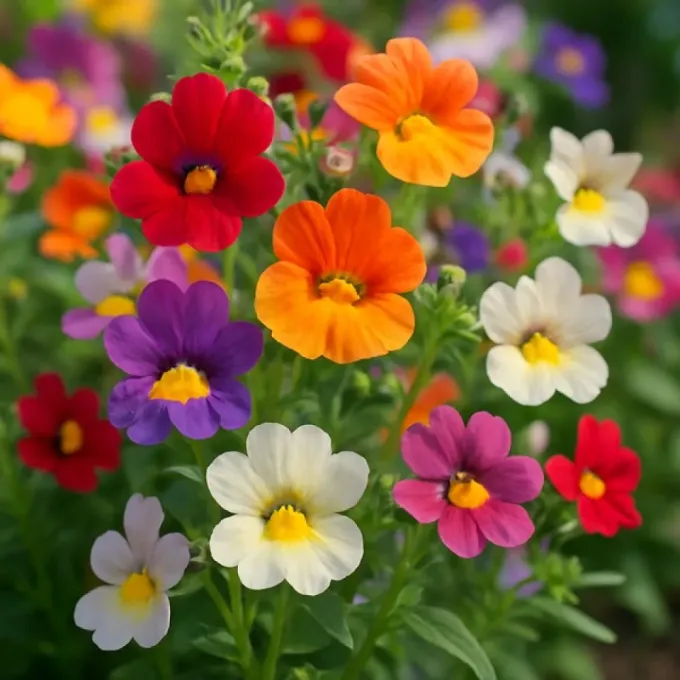
Description
Sowing dates
Sowing Nemesia frutescens seeds typically begins in early spring under greenhouse conditions to ensure robust plant development before the risk of frost passes.
Seeds require a consistent temperature of 18–20 degrees Celsius for optimal germination and should be sown in a well-draining, nutrient-rich substrate.
Once seedlings emerge, it is essential to provide adequate light and air circulation to prevent damping-off diseases and promote healthy, stocky growth.
Transplanting to permanent outdoor locations should occur only after the soil has warmed sufficiently, ensuring plants are spaced to allow for proper airflow.
Pinching the growing tips of young plants is a recommended agronomic practice that encourages branching and results in a more compact, floriferous habit.
Growing requirements
Nemesia frutescens, a member of the Scrophulariaceae family, thrives in sunny locations that are sheltered from harsh, drying winds and excessive heat.
The ideal soil profile for this crop is light, porous, and well-drained, with a neutral to slightly acidic pH to facilitate optimal nutrient uptake.
Water management is critical; while the crop needs consistent moisture, waterlogging must be avoided at all costs to prevent root rot and systemic fungal issues.
Regular monitoring of moisture levels is required, especially in containers, where the soil tends to dry out more quickly than in open ground beds.
Maintaining a temperature range of 15–22 degrees Celsius is beneficial for sustained vegetative growth and high-quality floral production throughout the season.
Main diseases and pests
The primary threats to Nemesia frutescens include powdery mildew, which often manifests in humid conditions where air circulation is restricted between dense foliage.
Insects such as aphids and spider mites can become significant pests during hot, dry spells, necessitating early identification and targeted management strategies.
Adherence to good sanitation practices, such as removing debris and preventing overcrowding, is vital to maintaining a healthy growing environment.
Integrated pest management, including the use of appropriate biological or chemical controls, should be employed at the first sign of infestation to preserve plant vigor.
By preventing stress through adequate water and nutrient supply, the plant’s natural resistance to pests and diseases is significantly enhanced.
Harvesting
The primary utility of Nemesia frutescens is its role in ornamental horticulture, providing high aesthetic value for garden displays and container planting.
To maximize the decorative impact, gardeners should regularly deadhead spent blooms, which redirects the plant’s energy towards continuous flower production.
Harvesting for display involves proper maintenance pruning throughout the season to remove leggy growth and maintain the plant’s desired aesthetic structure.
At the end of the growing season, plants are typically managed as annuals and removed from the site to maintain soil health and prepare for subsequent planting.
While seed collection is possible from matured pods, professional growers generally prefer certified seeds to ensure the consistency of desired horticultural traits.