
Nemesia foetens
Nemesia foetens Venten
Description
Sowing dates
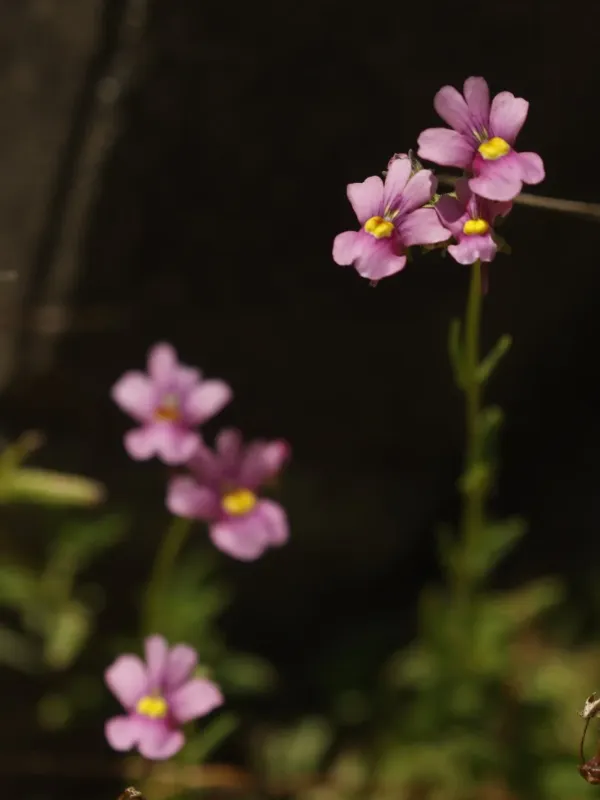
Nemesia foetens is a flowering annual belonging to the Scrophulariaceae family. Originating from the diverse landscapes of South Africa, it is widely appreciated in floriculture for its vibrant blooms and ability to provide continuous color throughout the growing season.
The cultivation process typically begins with indoor sowing in late winter or early spring, around March. Due to the minute size of the seeds, they should be surface-sown on high-quality sterile substrate and lightly pressed down without covering with soil to ensure sufficient light exposure.
Transplanting into the garden should occur after the final frost risk has passed, typically in May. Providing the young seedlings with a sunny, sheltered location is crucial for early development, as the plant thrives in locations with good natural light and steady temperatures.
Spacing requirements are generally between 20 to 25 centimeters per plant. This arrangement is essential for maximizing air circulation, which prevents the build-up of excess humidity around the base of the plant during periods of high rainfall or intense growth.
Success in sowing depends on maintaining consistent moisture and warmth until germination. Once established, the plants grow rapidly, transforming into bushy, flower-covered specimens that add significant value to borders or container gardens.
Growing requirements
Nemesia foetens requires well-draining, fertile soil with a neutral pH. It is highly sensitive to waterlogging, which often leads to root rot; therefore, providing a porous soil structure is the most important prerequisite for a healthy crop.
Irrigation must be carefully balanced. While the plant needs consistent moisture to support its intense flowering cycle, the soil should not become waterlogged. Applying water at the base of the plant rather than overhead helps maintain leaf health.
Regular fertilization with balanced, low-nitrogen soluble fertilizer encourages flower production. Over-fertilizing with nitrogen should be avoided as it stimulates excessive vegetative growth and reduces the density of floral display.
The plants prefer cool to moderate climates and may suffer in extreme summer heat. Utilizing mulch around the root zone helps maintain stable soil temperatures and preserves moisture, ensuring the plants stay hydrated during peak summer months.
Deadheading faded flowers is a beneficial practice that encourages the plant to direct its energy towards producing new buds rather than setting seed, effectively extending the blooming period well into the autumn.
Main diseases and pests
The primary threats to Nemesia foetens are fungal pathogens, specifically root rot, which typically manifest in poorly drained soils or during humid conditions. Proper soil aeration is the most effective preventative measure against these diseases.
Aphids are the most common insect pests, often colonizing the tender young shoots. They extract sap and can stunt growth if left untreated. Regular monitoring of the growing tips is advised to detect early infestations before they spread.
Spider mites can become a nuisance during hot, dry spells. They cause foliage to become discolored and may form fine webbing. Increasing humidity or utilizing specific miticides can help manage these populations effectively.
Maintaining a clean garden environment by removing debris and weeds prevents the buildup of pests and potential disease vectors. Proper spacing is equally vital to ensure that air movement mitigates the risk of foliage diseases.
If chemical intervention is necessary to manage outbreaks, choose targeted products that are safe for the surrounding environment. However, cultural practices such as correct watering and sanitation should always remain the first line of defense.