
Angel's tears daffodil
Narcissus triandrus L.
Description
Sowing dates
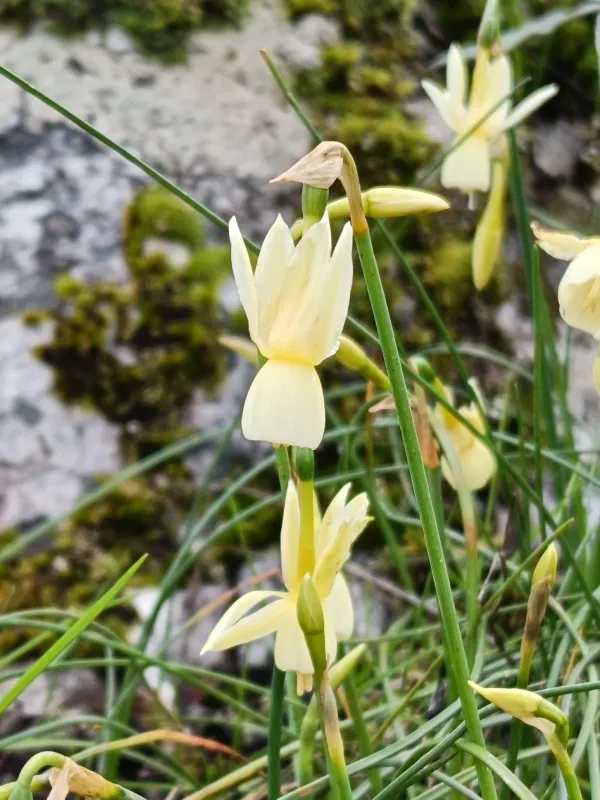
Narcissus triandrus, commonly known as Angel's tears, is an elegant species in the Amaryllidaceae family, prized for its nodding, bell-shaped flowers. Bulbs are best planted in late summer or early autumn to allow sufficient time for root establishment before the ground freezes.
When planting, ensure the soil is well-drained, as these bulbs are sensitive to waterlogging. A sunny or light-shade position is ideal, as this mimics the natural habitat of the species, which is typically found on rocky slopes and woodland clearings.
Plant the bulbs at a depth of approximately 10 to 15 centimeters. In colder climates, planting slightly deeper can provide additional protection from frost during the winter months, ensuring the bulb remains stable throughout the season.
Propagation is generally achieved through the separation of offsets, which are naturally produced by the parent bulb over several years. This vegetative method ensures that the unique traits of the species are preserved in the next generation of plants.
Space the bulbs about 10–12 centimeters apart to provide adequate room for growth. Crowded plants may eventually compete for nutrients and light, which can reduce the overall health and flower production of the group.
Growing requirements
The Angel's tears daffodil requires a fertile, well-draining soil with a slightly acidic to neutral pH. Sandy loam soils that allow for easy moisture drainage are preferred, preventing the stagnant conditions that lead to bulb rot.
This species is well-adapted to temperate climates and demonstrates good cold hardiness. However, it benefits from a layer of mulch in regions where temperatures drop significantly, helping to maintain a consistent soil temperature throughout the dormant phase.
During the spring growing season, consistent moisture is necessary for healthy leaf development and bloom production. Once flowering concludes and foliage begins to fade, it is crucial to reduce watering significantly to allow the bulbs to enter a healthy period of rest.
Minimal fertilizing is usually sufficient for established plantings. A balanced, slow-release fertilizer applied in early spring can help boost plant vigor, but avoid heavy nitrogen applications, which can encourage excessive leaf growth at the expense of blooms.
Good air circulation is vital for maintaining plant health. Avoiding densely packed garden beds helps keep the foliage dry, which minimizes the risk of humidity-related issues during the wet spring months.
Main diseases and pests
The primary threats to Narcissus triandrus include fungal pathogens such as Fusarium and various bulb rots, often triggered by excessive soil moisture. These infections can cause the foliage to yellow prematurely and the bulb to decay.
The Narcissus fly is a significant insect pest whose larvae tunnel into the bulb, causing stunted growth and eventually killing the plant. Pre-planting treatments and regular monitoring of the planting site are essential strategies for control.
Nematodes are another potential concern, leading to deformed or spotted foliage. Because these microscopic pests are difficult to eradicate once established, the most effective management strategy is to ensure only healthy, certified bulbs are used.
Slugs and snails can cause mechanical damage to emerging leaves in early spring. Protecting young shoots with barriers or bait can prevent this damage, which, while not lethal, weakens the plant's overall energy reserves for the following season.
Preventative care is the best defense against pests and diseases. Keeping the garden bed free of weeds and dead organic material helps disrupt the life cycle of many common pests and creates a healthier environment for the daffodils.