
Polyanthus narcissus
Narcissus tazetta L.
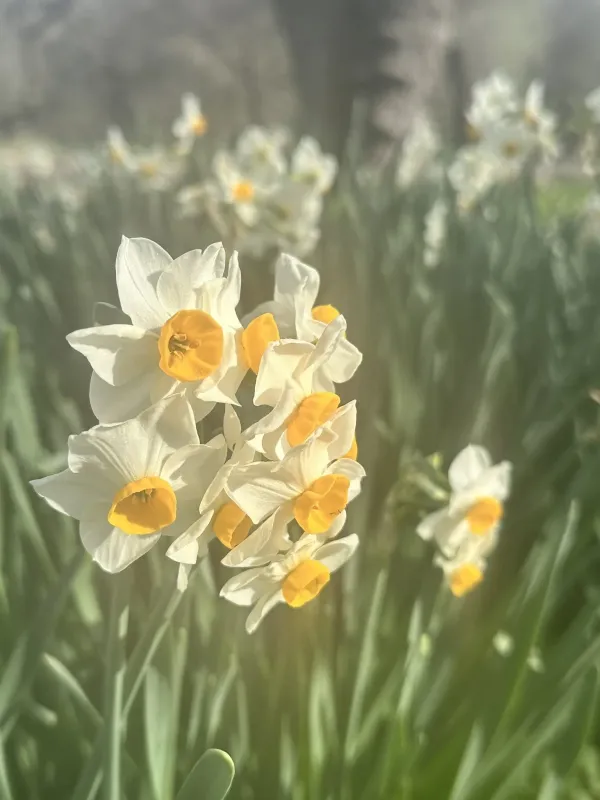
Description
Sowing dates
Bulb planting typically occurs in early autumn. The bulbs should be spaced adequately to ensure proper airflow, usually at a distance of 10 to 15 centimeters apart, depending on the specific cultivar density.
Growing requirements
Polyanthus narcissus (Narcissus tazetta L.) is a perennial bulbous plant belonging to the Amaryllidaceae family. It is distinct for its multi-flowered stems, often producing clusters of fragrant, showy flowers that make it highly valuable for the floral industry.
The species originated in the Mediterranean basin and is widely cultivated in regions with temperate to subtropical climates. Its adaptability allows it to be used both in field cultivation for cut flowers and in specialized greenhouse forced-production cycles.
Success in cultivation requires well-drained, sandy loam soils rich in organic matter. Proper soil aeration is vital, as the bulbs are susceptible to rotting under waterlogged conditions during the winter dormancy period.
Climate requirements include mild winters and sunny environments. While the plant can tolerate some frost, extreme cold without protection will damage the bulb tissues and significantly reduce the quality of the next season's foliage and flowers.
Optimal agrotechnical practices involve careful management of water and fertilizer. Nitrogen application should be limited to the early growth phase, while phosphorus and potassium are essential for bulb maturation and bloom quality.
Main diseases and pests
Common pathological issues include Fusarium basal rot and various bacterial soft rots. Implementing crop rotation cycles every 3–4 years is recommended to break the life cycles of soil-borne pathogens and maintain healthy stocks.
Pests like the Narcissus fly (Merodon equestris) and bulb mites represent significant challenges. Integrated pest management, including the use of trap crops and targeted chemical control, is essential for professional bulb production.
Harvesting
Harvesting of the bulbs is performed once the foliage has turned yellow and withered. The bulbs are then cured in a ventilated area, cleaned, and graded by size to ensure uniformity for both commercial sale and replanting purposes.