
Whortle-leaved willow
Salix myrsinites L.
Description
Growing requirements
The whortle-leaved willow (Salix myrsinites L.) is a dwarf deciduous shrub belonging to the Salicaceae family. Known for its prostrate growth habit, this plant is an essential element in northern rock gardens and alpine-themed landscaping projects.
The species originates from the arctic and subarctic regions of Eurasia and mountain ranges throughout Europe. It is naturally adapted to survive in extreme climates where growing seasons are limited by low temperatures and persistent winds.
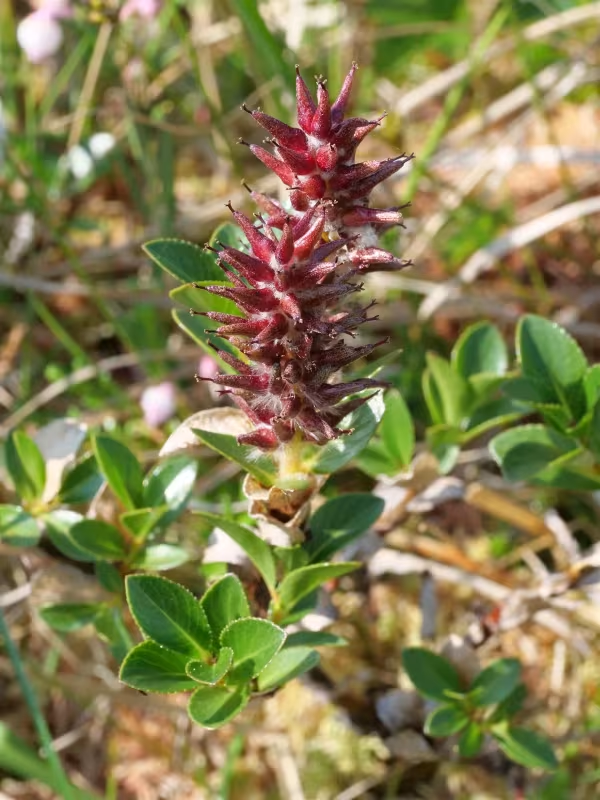
Botanically, the plant is characterized by small, glossy, leathery leaves that resemble those of a myrtle bush. The stems are branched and often creep along the ground, which is a structural adaptation that helps the plant thrive in harsh mountain terrain.
Cultivation requires conditions that mimic the natural alpine habitat. This includes cool temperatures, consistent soil moisture, and high exposure to light. The plant does not perform well in hot climates or areas with prolonged summer drought.
Soil requirements are quite specific: the plant thrives in well-drained, acidic to neutral, moist rocky soils. It is critical to ensure that the roots do not dry out, yet the site must be sufficiently drained to prevent root rot in the warmer months.
Main diseases and pests
The primary threats to Salix myrsinites include fungal diseases like rust and powdery mildew. These issues often arise when plants are grown in areas with poor air circulation or excessive heat stress combined with high humidity.
Pest pressure mainly comes from willow-specific insects, including leaf beetles and various aphid species. Careful monitoring and the application of integrated pest management practices are recommended to maintain the health and vigor of the shrubs throughout the season.