
Dwarf willow
Salix arbuscula L.
Description
Growing requirements
The dwarf willow (Salix arbuscula L.) is a fascinating member of the Salicaceae family, biologically categorized as a low-growing deciduous shrub. It is native to the arctic and alpine zones of Eurasia, where it thrives in rocky, well-drained soils and cold, moist environmental conditions.
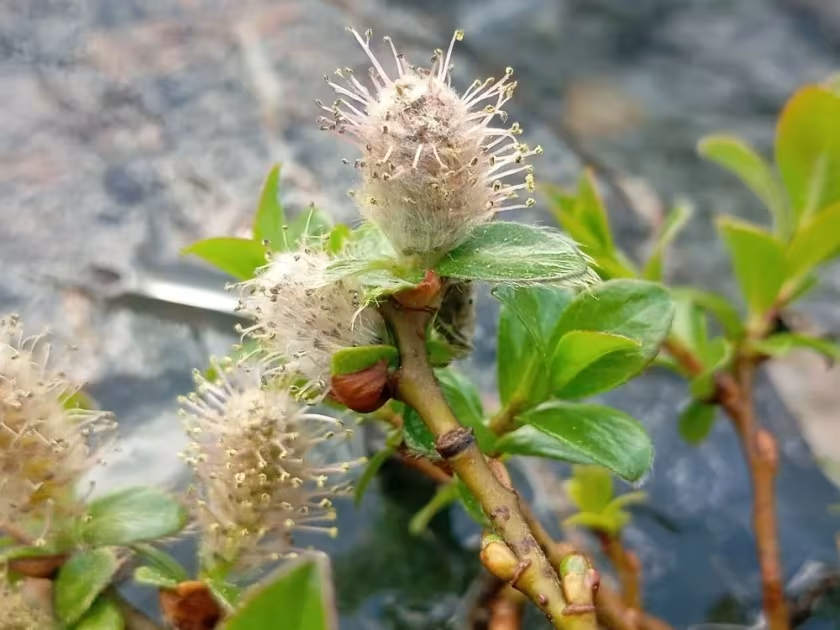
Botanically, the species is defined by its prostrate or creeping growth habit, rarely exceeding a height of half a meter. Its leaves are small, often obovate or elliptical, exhibiting a glossy upper surface that helps the plant survive in harsh, windswept mountain habitats.
Regarding climate requirements, this plant is strictly adapted to cool temperate or alpine environments. It requires a significant cold period for dormancy and prefers regions where summer temperatures remain moderate, as heat stress is the primary limiting factor for its successful cultivation.
For soil management, dwarf willow requires a medium that mimics its natural habitat: acidic to neutral, nutrient-rich, but highly permeable. It does not tolerate prolonged waterlogging; therefore, adding gravel or coarse sand to the planting substrate is essential to ensure adequate root oxygenation.
Its primary agricultural and horticultural utility lies in landscape architecture. It is an ideal plant for alpine gardens, rockeries, and ground cover on slopes. Its dense root system helps stabilize topsoil, while its unique architecture provides texture and aesthetic appeal throughout the growing season.
Main diseases and pests
The primary threats include fungal pathogens such as leaf rust and powdery mildew, especially during humid and poorly ventilated seasons. Insect pests, including aphids and various leaf-feeding beetles, can cause significant cosmetic damage, necessitating early detection and integrated pest management.