
Mountain soursop
Annona montana Macfad.
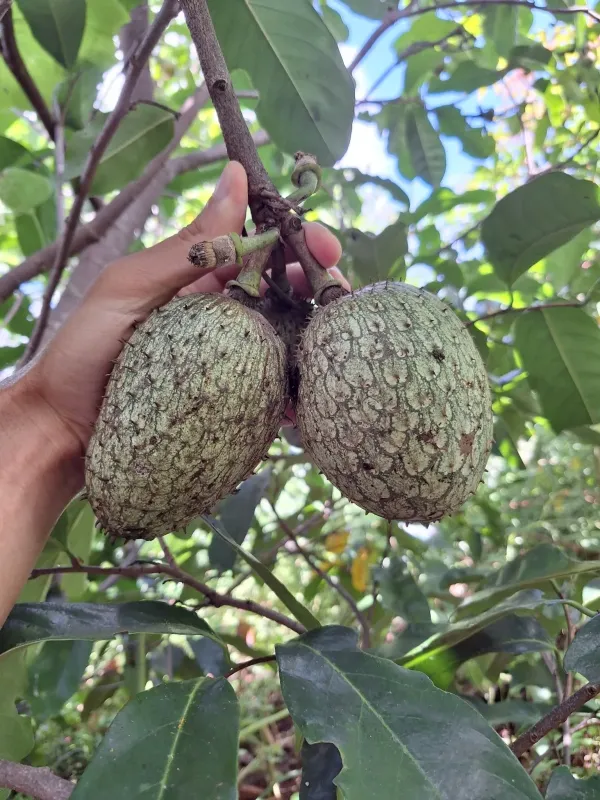
Description
Sowing dates
Propagation of Annona montana is primarily achieved through seeds, which maintain viability for several months. For the best germination rates, it is recommended to sow seeds immediately after extracting them from a fresh, ripe fruit.
Before sowing, seeds should be thoroughly cleaned of pulp and dried in a shaded area. The optimal germination temperature ranges between 25 and 30 degrees Celsius, requiring a consistent moisture level in the substrate.
Germination typically occurs within 30 to 60 days. To speed up the process, agronomists often suggest soaking the seeds in warm water for 24 hours or performing light scarification of the seed coat to enhance water absorption.
Seedlings are grown in well-drained soil mixtures containing peat, perlite, and loam. Transplanting is performed after the emergence of two or three true leaves, with special care taken to avoid disturbing the fragile root system.
In professional orchards, grafting is the preferred method for propagating superior cultivars, using Annona montana as a hardy rootstock due to its excellent resistance to soil-borne diseases and adaptability to various environments.
Growing requirements
Annona montana, a member of the Annonaceae family, is widely known for its hardiness compared to other Annona species. It thrives in tropical and subtropical climates and is particularly well-adapted to higher elevations.
The tree prefers sunny locations that are well-protected from strong winds. While it tolerates moisture, proper drainage is essential, as waterlogged conditions can lead to root rot and other physiological stressors.
Although it is not overly demanding regarding soil type, the plant performs best in fertile, well-drained loams with a slightly acidic pH. Regular application of organic matter helps improve soil structure and nutrient content.
During the active growing season, consistent moisture is required to support vigorous growth and fruit development. In arid regions, supplemental irrigation becomes a necessity for maintaining tree health and productivity.
Fertilization programs should focus on providing a balanced supply of macro and micronutrients. Potassium and phosphorus are particularly important during the flowering and fruit-setting stages to ensure optimal yield.
Main diseases and pests
The main pests affecting Annona montana include mealybugs, scale insects, and spider mites, which can cause significant damage by feeding on leaves and tender young shoots, leading to stunted growth.
Integrated pest management, including the use of neem-based oils or releasing natural predators, is often preferred over chemical intervention. If necessary, systemic insecticides may be used according to safety guidelines.
Fungal diseases, such as anthracnose, often emerge in high-humidity conditions. Symptoms include dark, sunken spots on foliage and fruit, which can spread rapidly if not managed through proper canopy thinning.
Prevention involves regular pruning to improve air circulation and sunlight penetration throughout the tree canopy. This practice effectively reduces the micro-humidity that promotes the growth of mold and fungi.
Nutritional imbalances can cause leaf chlorosis, which is usually related to pH issues or iron deficiency. Regular soil testing and corrective amendments are essential to maintaining the tree's vigor and resistance to pathogens.
Harvesting
The fruit of the mountain soursop is characterized by its prickly, dark green skin and fibrous, acidic pulp. Its flavor profile is a unique blend of pineapple and citrus notes, making it distinct from the common soursop.
Harvesting begins when the fruit transitions from dark green to a slightly yellowish hue and shows signs of softening. The fruits ripen quickly after harvest, requiring careful monitoring to ensure they are picked at the correct stage.
The fruit is primarily utilized in the food processing industry. It is commonly processed into juices, purees, ice creams, and various desserts where a robust, tangy flavor is desired for commercial products.
Due to its high concentration of antioxidants and vitamins, the fruit is gaining popularity in the functional food market, often used as a base for health-oriented smoothies and refreshing beverage formulations.
Shelf life for fresh fruit is relatively short, typically lasting only a few days at room temperature. Therefore, commercial logistics require careful handling and, if necessary, refrigerated storage to maintain fruit quality during transport.