
Ilama
Annona diversifolia Saff.
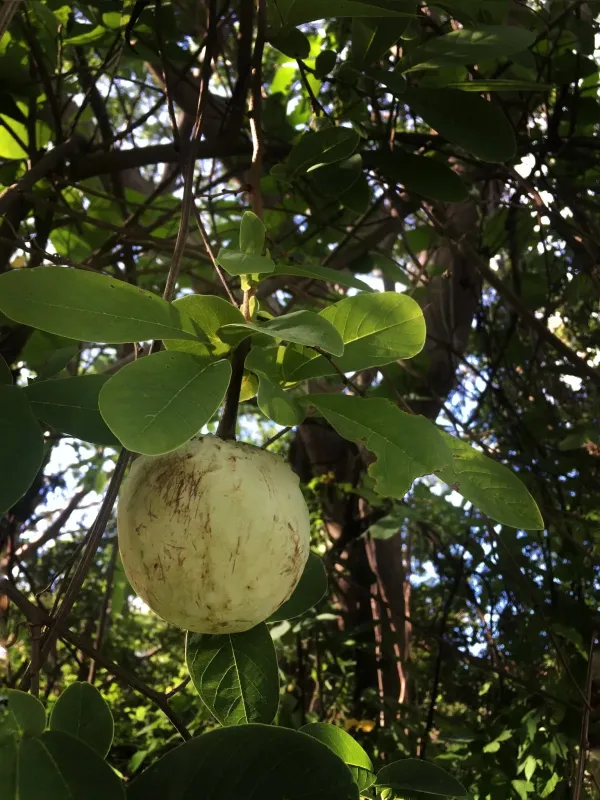
Description
Sowing dates
Propagation of ilama is most commonly achieved through seeds, as it is the most straightforward method for obtaining new specimens. Seeds must be extracted from ripe fruits and sown into a nutrient-rich substrate as soon as possible, as their viability decreases rapidly during prolonged storage.
The optimal time for sowing is immediately after the harvest season, when air and soil humidity levels remain high. To accelerate germination, it is recommended to soak the seeds in warm water for 24 hours, which helps soften the hard seed coat.
In commercial operations or nurseries, grafting scions onto rootstocks of other Annona species is also employed, allowing for the preservation of desirable varietal characteristics and accelerating the time to fruiting. Growers often select species within the family that exhibit better resistance to soil conditions as rootstocks.
When sowing seeds in containers, it is essential to ensure good drainage to prevent water stagnation and root system rot. The sowing depth is typically 1–2 centimeters, and germination occurs within a few weeks when temperatures remain above 25 degrees Celsius.
Transplanting young seedlings to their permanent garden location requires caution due to the sensitivity of the plant's root system. The beginning of the rainy season is considered the best time for this, as the plant adapts most quickly to new growing conditions.
Growing requirements
Ilama is a tropical crop native to Central American countries such as Mexico, Guatemala, and El Salvador. It prefers a hot and humid climate; however, unlike many other members of the Annonaceae family, it is better adapted to short dry periods.
The crop requires a sunny location for healthy development and the formation of high-quality fruit. In shaded areas, the plant tends to stretch, and productivity is significantly reduced, so site selection should prioritize maximum solar exposure throughout the day.
Regarding soil conditions, the plant is moderately demanding, preferring deep, fertile, and well-drained soils. It is important to avoid areas with high water tables or heavy clay soils, where the root system is prone to rapid fungal infection.
The optimal soil pH range for growing ilama is slightly acidic to neutral. Regular application of organic fertilizers helps maintain the necessary nutrient levels for vigorous growth of the plant's vegetative mass.
Temperature must remain consistently high, as the plant is extremely sensitive to frost. Even a short-term drop in temperature below freezing can cause serious damage or complete loss of the tree's above-ground parts, which limits its commercial cultivation to tropical zones.
Yield
Ilama begins fruiting 3–5 years after planting, making it quite precocious compared to other tropical fruit trees. The tree typically has a compact habit and reaches a height of 5–7 meters, which facilitates canopy management and harvesting.
The yield of a mature tree depends heavily on care conditions, pollination, and the age of the plant. Under favorable conditions, a single tree can produce several dozen fruits, which are valued for their exceptional flavor and delicate, creamy flesh texture.
Ilama fruits come in two main types: those with pink flesh and those with white flesh, both of which possess a sweet or sweet-tart flavor. Fruit size ranges from 300 to 600 grams, making them highly attractive for local exotic fruit markets.
To increase yields, periodic crown pruning is recommended to encourage the formation of young, fruit-bearing shoots. Removing dead or diseased branches also prevents the spread of pathogens and improves light penetration into the tree canopy.
The flowering and fruit maturation period can be extended, requiring careful monitoring of fruit quality. Intensive fertilization during the fruit development stage helps increase fruit mass and sugar content, directly impacting the commercial value of the crop.
Main diseases and pests
Primary pests of ilama include various species of scale insects and mealybugs, which feed on the sap of young leaves and shoots. Their presence weakens the tree and often leads to the development of sooty mold on the sticky insect secretions.
Fruit flies represent a serious threat to the harvest, especially during the ripening phase. To protect the fruit, growers often use bagging techniques or pheromone traps, which allow for loss reduction without the use of harsh chemical pesticides.
Anthracnose is one of the most common fungal diseases affecting ilama fruits and leaves under high humidity conditions. It manifests as dark spots that spread rapidly if timely measures, such as fungicide application, are not taken.
Root rots occur primarily due to improper irrigation and moisture accumulation in the root zone. Prevention of this disease consists of ensuring proper soil drainage and avoiding over-irrigation during periods of lower temperatures or high atmospheric humidity.
For pest and disease control, integrated management practices are recommended, including regular garden inspections and timely sanitary pruning. This helps maintain tree health and ensures consistently high-quality production even in humid tropical climates.
Harvesting
Harvesting ilama requires extreme care, as the fruits are very delicate and easily damaged by mechanical impact. Ripeness is determined by a change in skin color and a slight softness when pressed, indicating that the fruit has reached consumer maturity.
It is recommended to harvest the fruits manually using secateurs or scissors to avoid damaging the peduncle and neighboring buds. Harvested fruits do not store well at room temperature, so they should be sold or consumed within a few days.
During transport, fruits should be placed in one or two layers in soft packaging to prevent compression or bruising. Any damage to the ilama skin leads to rapid oxidation and loss of marketability, making logistics one of the most challenging aspects of cultivating this crop.
Cooling fruits after harvest can slightly extend their shelf life, though it is important to avoid temperatures that are too low, which could cause chilling injury to the skin. Storing them at around 10–12 degrees Celsius is generally considered optimal.
The economic use of ilama is focused on fresh consumption, as the fruit possesses excellent organoleptic qualities. The pulp is also used in the preparation of sorbets, desserts, and refreshing beverages, making the crop a promising candidate for local food processing industries.