
Sugar apple
Annona squamosa L.
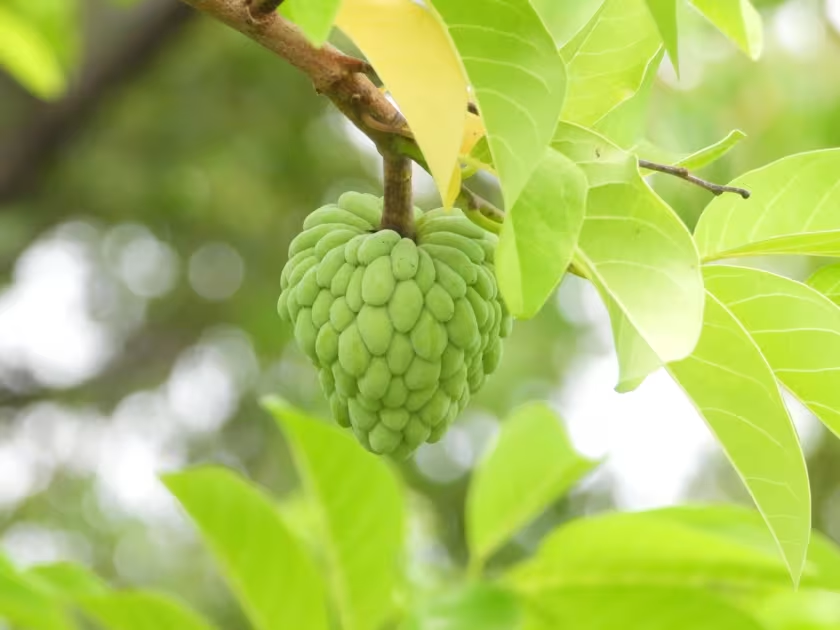
Description
Sowing dates
Propagation of the sugar apple is primarily achieved through seeds, which must be sown fresh as they lose viability rapidly. Seeds are typically soaked in warm water for 24 hours prior to planting to enhance germination, which generally occurs within a few weeks under stable conditions.
Commercial plantations often employ grafting techniques using compatible Annona rootstocks to ensure consistent fruit quality and accelerate the tree's maturity. The best time for planting young saplings is at the onset of the rainy season to establish a robust root system before the dry period.
Trees should be spaced 4 to 6 meters apart to provide adequate room for growth and ventilation. Selecting a site with full sun exposure and well-drained soil is crucial for the long-term success of the orchard, as this species is intolerant of waterlogging.
Young trees require frequent irrigation and protection from intense direct sunlight during their initial stages of development. Regular pruning during the formative years helps to create a strong branch structure capable of supporting heavy yields of mature fruit.
Annona squamosa belongs to the Annonaceae family and is an evergreen or semi-deciduous tree that usually reaches a height of 3 to 6 meters. Its wide, spreading canopy and fragrant, lanceolate leaves make it a characteristic plant of tropical and subtropical landscapes.
Growing requirements
Sugar apple requires a warm tropical climate to thrive, with ideal temperatures ranging between 22 and 30 degrees Celsius. It is highly susceptible to frost, which can cause severe damage or kill the tree, making it unsuitable for regions with cold winters.
The tree is adaptable to various soil types but performs best in deep, well-drained loamy soils with a pH level between 6.0 and 7.5. Good drainage is essential, as the roots are sensitive to soil saturation, which often leads to root rot and other systemic health issues.
Moderate humidity levels are important, especially during the flowering stage, to prevent the desiccation and shedding of flower buds. While the tree can tolerate some drought once established, regular watering is necessary to maximize fruit set and quality.
Nutrient management involves applying balanced fertilizers during the active growing season to support leaf development and fruit production. Organic matter, such as well-rotted manure, should be applied annually around the drip line to maintain soil fertility and structure.
Routine canopy management, including sanitary pruning, is vital to ensure proper airflow and light penetration. By removing dead or overlapping branches, growers can significantly reduce the micro-environment favorable to fungal infections.
Yield
A mature sugar apple tree can produce between 50 and 100 fruits per season, depending on the cultivar and the quality of horticultural care provided. Under optimal conditions, trees grown from grafted stock can begin bearing fruit within three to four years of planting.
The fruit is a compound berry with a distinct segmented, scaly rind and a creamy, white, custard-like pulp. Its flavor profile is sweet and fragrant, often described as a blend of pineapple, strawberry, and banana notes, which is highly appreciated in international markets.
The main commercial use of the sugar apple is for fresh consumption, but it is also processed into juices, purees, and ice cream bases. Its high nutritional content, including vitamins B and C, fiber, and potassium, makes it a valuable commodity for local and export markets.
In various traditional practices, seeds are sometimes used to derive botanical insecticides, and leaves have been utilized for their medicinal properties. However, any use of non-fruit parts should be carefully researched due to the presence of potent alkaloids in the plant.
Harvesting is performed manually by carefully cutting the fruit stem, as the skins are delicate and prone to bruising. Fruits are typically picked when they transition from a deep green to a lighter, paler hue, indicating maturity before they become overly soft.
Main diseases and pests
Mealybugs are among the most persistent pests for Annona squamosa, typically clustering on tender shoots and leaf undersides. Control measures involve the use of horticultural oils, systemic insecticides, or biological controls such as predatory lady beetles.
Scale insects and spider mites can also affect tree vigor, particularly in hot, arid weather conditions. Regular inspection of the foliage is necessary to detect early infestations and prevent significant damage to the photosynthetic capacity of the tree.
Anthracnose, caused by fungi, is a major disease that affects both fruit and foliage, leading to dark lesions and premature fruit drop. Maintaining high orchard hygiene and applying copper-based fungicides during humid periods is essential for effective disease mitigation.
Phytophthora root rot poses a significant threat in poorly drained soils where moisture accumulates. Preventive strategies include site selection with excellent drainage and strictly controlled irrigation to avoid water-logging the root zone.
The fruit fly is a notorious pest that infests ripening fruits, rendering them unsuitable for sale. Growers often use bagging techniques for individual fruits or pheromone traps to manage pest populations and protect the yield from larval infestation.