
Cherimoya
Annona cherimola Mill.
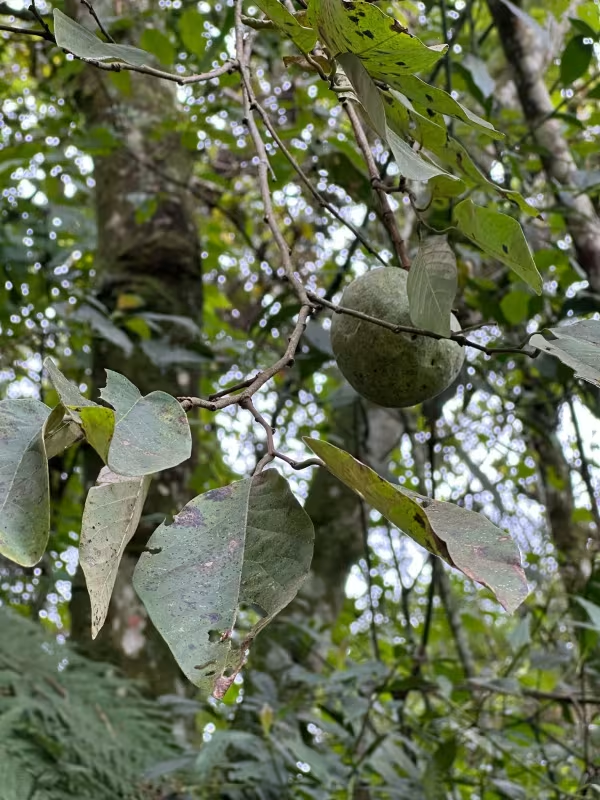
Description
Growing requirements
Cherimoya (Annona cherimola Mill.) is a fruit-bearing tree of the Annonaceae family, native to the high-altitude regions of the Andes in Ecuador, Peru, and Bolivia. It is an evergreen or semi-deciduous plant that can grow up to 5–9 meters in its natural environment.
The crop prefers a cool, mild subtropical climate with moderate humidity. The ideal temperature range for growth is between 15 and 25 degrees Celsius, while the plant is extremely sensitive to frost, which can destroy young shoots.
Successful cultivation requires deep, fertile, and well-drained soils with a neutral or slightly acidic pH level. Cherimoya does not tolerate waterlogging in the root system, which can quickly lead to the development of root rots.
The plant thrives in full sun, but in regions with intense heat, it requires light shade to protect its bark and leaves from sunburn. The optimal altitude for commercial production ranges from 1000 to 2000 meters above sea level.
Agricultural practices include regular watering during the active growth period and the application of balanced fertilizers. A crucial aspect of cultivation is the necessity of hand-pollination of flowers to ensure high-quality and abundant fruit yields.
Yield
The yield of a cherimoya tree depends on its age, canopy management, and the quality of pollination. A mature tree in optimal conditions can produce between 20 and 50 kilograms of fruit per season.
Productive fruiting usually begins 4–5 years after planting seedlings. The fruits are highly valued for their nutritional profile, containing B-group vitamins, vitamin C, potassium, and dietary fiber, making them popular in export markets.
Main diseases and pests
Major pests include mealybugs and various species of scale insects, which damage young leaves and fruits. Pest management is typically conducted using insecticides and timely sanitary pruning of the canopy.
Fungal diseases, such as anthracnose, can affect shoots and fruits under conditions of high humidity. Preventive measures involve ensuring good ventilation within the tree structure through strategic pruning practices.
Harvesting
Harvesting is performed by hand because cherimoya fruits have thin skin and are highly susceptible to mechanical damage when dropped. Maturity is determined by the color change of the skin from dark green to a lighter or yellowish-green hue.
After being picked, the fruits ripen quickly at room temperature. Fresh storage life is limited, so for long-distance transport, the fruits are packed in specialized containers with soft cushioning to prevent bruising.