
Pond apple
Annona glabra L.
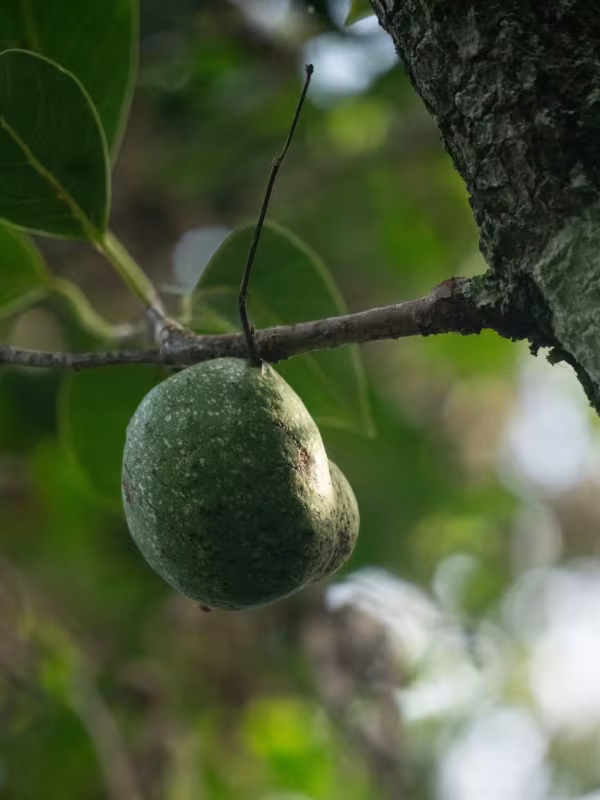
Description
Sowing dates
The seeds of Annona glabra possess high germination rates but often require stratification to break dormancy. Sowing should be performed immediately after extracting the seeds from a ripe fruit, as they rapidly lose viability once they are dried out.
For optimal germination, the soil medium must be kept consistently moist with temperatures ranging between 25–28 degrees Celsius. Utilizing greenhouses or heating mats significantly accelerates the emergence of seedlings, which can take anywhere from three weeks to several months.
Seedlings should be potted into individual containers with excellent drainage to prevent root rot during their early development. As they grow, consistent repotting into larger containers is necessary until they are ready for planting in their permanent location.
Vegetative propagation via cuttings or grafting onto other Annona rootstocks is often used to accelerate the onset of fruit production and maintain the specific characteristics of the parent tree.
In regions with distinct seasons, planning the sowing schedule is essential so that young plants are sufficiently hardened before the onset of extreme weather or cold temperatures. Proper timing is a fundamental prerequisite for the successful establishment of this crop.
Growing requirements
Annona glabra, commonly known as pond apple, thrives in moist tropical environments and naturally occurs along riverbanks and in mangrove ecosystems. It possesses a unique ability to withstand temporary waterlogging of the root system, a rare trait among fruit-bearing species.
The tree requires significant solar exposure to flower and fruit effectively, although young specimens benefit from partial shade during the heat of the day. In dense shade, the tree tends to become spindly and its overall yield decreases dramatically.
Regarding soil composition, the plant is relatively undemanding but grows best in nutrient-rich, moist substrates. It exhibits high tolerance for saline soil conditions, making it a viable candidate for coastal agricultural development.
A stable temperature range between 20–35 degrees Celsius is ideal for normal growth. The plant is frost-sensitive; therefore, when grown in subtropical climates, it must be protected during cooler periods to ensure its survival.
High relative humidity is necessary, especially during the fruit-set phase. If moisture levels are insufficient, the tree may abort its flowers or drop immature fruit, making regular irrigation essential in areas where groundwater is not accessible.
Yield
Fruit production typically commences within 3 to 5 years from seed, provided the tree receives proper care. A mature, healthy tree can produce a substantial harvest of fruits that resemble apples or pears with a smooth, firm skin.
Yield depends heavily on pollination conditions, as the flowers are hermaphroditic but frequently require insect-mediated cross-pollination. On commercial plantations, manual pollination is sometimes employed to increase the rate of fruit setting.
The fruits ripen unevenly, necessitating multiple selective harvests throughout the season. Ripeness is typically indicated by the skin color shifting to a yellowish tint and the development of a distinct, pleasant fragrance.
The economic utility of the fruit lies in its pulp, which is used for crafting juices, desserts, and jams. Despite having a unique flavor profile, it serves as a valuable source of vitamins and minerals for local populations.
Yield potential remains high for many years if the tree undergoes regular sanitary and formative pruning. Trimming dead branches improves light penetration into the canopy, which subsequently facilitates easier harvesting and better plant health.
Main diseases and pests
The primary pests affecting Annona glabra include mealybugs and scale insects, which target young shoots and the undersides of leaves. Control measures involve the use of horticultural oil emulsions or systemic insecticides, applied with strict adherence to safety labels.
Fungal diseases, such as anthracnose, can impact fruits and foliage in conditions characterized by high humidity and poor air circulation. Prevention is achieved through canopy thinning and the prompt removal of infected plant debris.
Root rot can occur when high soil moisture coincides with lower temperatures, making effective drainage control critical. Excessive nitrogen fertilization should be avoided, as it can make the tree more susceptible to secondary pathogens.
Fruits are also vulnerable to fruit flies that lay eggs in the ripening flesh. The application of bait traps or fruit bagging techniques helps significantly reduce crop losses without the need for intensive chemical interventions.
Nematode infestations are rare but possible, which is why pre-planting soil analysis is recommended for new orchards. Maintaining proper crop rotation and sourcing healthy, certified planting material are the best methods for long-term disease management.