
Soncoya
Annona purpurea Moc. & Sessé ex Dunal
Description
Growing requirements
Soncoya (Annona purpurea) is a tropical fruit tree belonging to the Annonaceae family. It is an evergreen species that can grow to a height of up to 10 meters, featuring large, deep-green, oblong leaves and a sprawling, dense canopy structure.
Native to Central America and Mexico, this tree thrives in tropical lowland environments. It is strictly adapted to climates with high humidity and consistent warmth, as it is highly susceptible to frost and cold damage even in mild conditions.
The crop requires fertile, well-drained soil with a slightly acidic to neutral pH level. Waterlogging is detrimental to the root system, so selecting a site with superior drainage properties is essential for long-term health and productivity.
Full sun exposure is necessary for optimal development and fruit production. In agricultural settings, ensuring proper spacing between trees is crucial to allow adequate light penetration and airflow through the canopy.
Propagation is typically achieved through seeds, although grafting techniques can be employed to improve disease resistance and ensure uniform fruit quality across the orchard plantation.
Yield
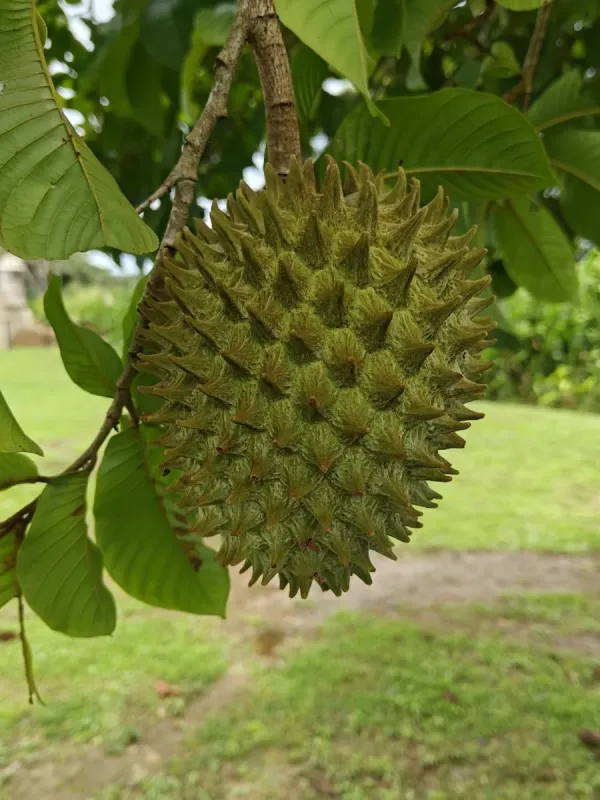
The fruit of the soncoya is distinct due to its rough, hairy, or spiky skin texture. When ripe, the skin turns a brownish color, protecting the soft, fibrous, and vivid orange-colored pulp inside the fruit.
The flavor profile of the fruit is highly regarded for its aromatic and sweet characteristics, often described as a blend of melon and mango notes. It is a prized ingredient in local tropical cuisines.
Yields vary based on tree maturity and environmental factors. While the trees can produce a significant amount of fruit in a single season, the post-harvest shelf life is relatively short, requiring immediate local processing or consumption.
The fruit contains many large, dark seeds that are non-edible. Processing requires removing these seeds before blending the pulp into juices, smoothies, or desserts to ensure a smooth, pleasant texture for the final product.
In addition to fresh consumption, the pulp is used in regional cooking to create thick sauces and refreshing cold drinks, making it a valuable minor crop for sustainable tropical agroforestry systems.
Main diseases and pests
Common pests affecting Annona purpurea include mealybugs and scale insects. These pests feed on sap, primarily on the underside of leaves, and can significantly weaken the tree if left untreated.
Fruit flies are a significant threat to harvest quality. They penetrate the skin of ripening fruits, leading to rapid decay. Monitoring programs and insect traps are standard methods to mitigate these infestations effectively.
Fungal diseases like anthracnose can appear during periods of prolonged humidity. The disease manifests as dark spots on leaves and fruit, necessitating good canopy management to maintain dryness and airflow.
Root rot is a major physiological threat often caused by poor drainage or over-irrigation. Maintaining a strict watering schedule is vital to keep the root environment healthy and oxygenated.
Integrated pest management, including regular pruning of deadwood and sanitation, is recommended to reduce pathogen reservoirs and maintain a productive tree canopy over several growing seasons.