
Annona mucosa
Annona mucosa Jacq.
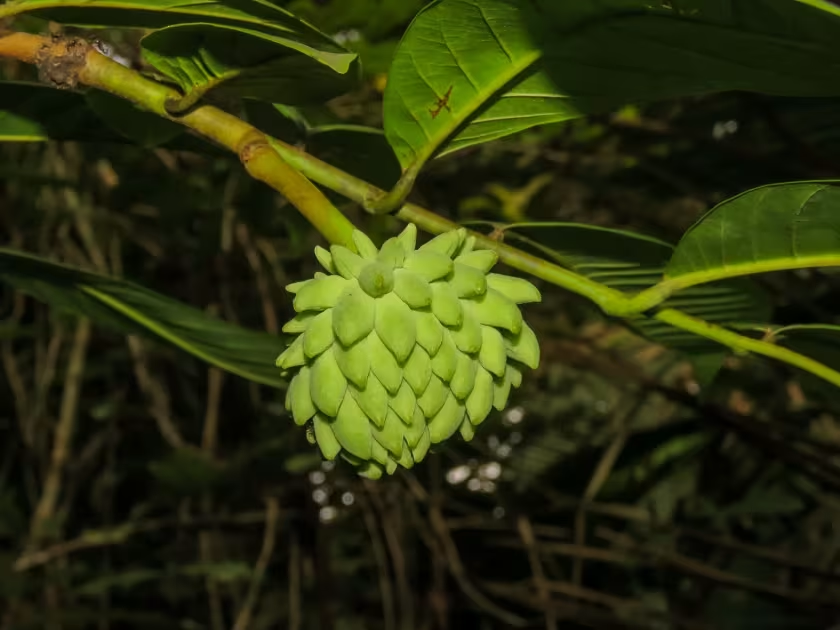
Description
Sowing dates
Annona mucosa, commonly known as Biriba, is primarily propagated through seeds, which should be planted shortly after extraction to ensure high viability. The soil used for sowing must be well-draining, rich in organic matter, and kept consistently moist throughout the germination phase.
Optimal germination occurs at temperatures between 25 and 30 degrees Celsius. It is crucial to provide a controlled environment that prevents soil saturation, as excess moisture can lead to seed rotting before sprouting occurs.
Grafting is the preferred method for commercial production, as it ensures the continuity of superior fruit traits and significantly reduces the time required for the tree to reach its first harvest compared to seed-grown trees.
Seedlings should be kept in a shaded nursery environment during their early stages of growth to prevent desiccation. Gradual acclimation to sunlight is necessary before transplanting them into their permanent field locations.
When planting in the field, proper spacing of 7–8 meters between trees is required to allow for full canopy development and to ensure adequate airflow, which is critical for reducing humidity-related diseases.
Growing requirements
Belonging to the Annonaceae family, Annona mucosa is a tropical species that thrives in warm, humid climates. It is highly intolerant of frost, requiring stable temperatures above 20 degrees Celsius throughout the year for healthy development.
The crop requires fertile, deep, and well-draining soil to support its extensive root system. It does not tolerate waterlogging, and areas with poor soil drainage are unsuitable for cultivation unless improved by physical or biological means.
High relative humidity is essential for the tree's health, as it promotes natural transpiration and helps maintain turgor in the leaves. In drier areas, irrigation systems are necessary to prevent physiological stress.
While mature trees can tolerate full sun, young trees benefit from partial shade to protect them from excessive heat and leaf burn. A balanced management strategy includes monitoring solar intensity and providing shade when necessary.
Regular fertilization with organic matter and essential mineral supplements is vital for vigorous tree growth. Potassium and phosphorus are particularly important for supporting fruit development and overall tree health.
Yield
Biriba is renowned for its rapid growth and early entry into the production phase. With proper management, these trees can begin yielding fruit as early as their third or fourth year after being planted in the orchard.
A single mature tree can produce a significant volume of fruit per season, making it a viable crop for small-scale and commercial tropical farming. The fruits are prized for their unique, creamy texture and pleasant, sweet-tart flavor.
To maximize yields, growers should employ regular pruning practices to maintain the tree's architecture and improve sunlight penetration. This helps stimulate the formation of flowering buds across the canopy.
Flowering and pollination are highly dependent on natural insect activity, particularly small beetles that facilitate fertilization. Maintaining a healthy ecosystem within the orchard is essential for high fruit set rates.
Harvest scheduling is essential as the fruit's ripening phase is fast and requires careful observation. Proper yield management involves daily scouting during the harvest window to capture fruit at its peak quality.
Main diseases and pests
Fruit flies represent the most significant threat to Annona mucosa, as they puncture the fruit skin to lay eggs, rendering the produce unmarketable. Netting or biological control methods are highly recommended for large-scale operations.
Fungal diseases like anthracnose can affect leaves and branches, especially during prolonged rainy seasons. Proactive orchard sanitation, including the removal of infected plant debris, is key to controlling the spread of spores.
Mealybugs and scale insects may attack the foliage and young fruit stems, extracting sap and weakening the tree. Integrated pest management using insecticidal soaps or natural predators is often successful in keeping populations low.
Nematodes in the soil can cause root damage, leading to reduced vigor and chlorotic foliage. Utilizing organic mulches and maintaining healthy soil microbial life are effective strategies to mitigate nematode impact.
Physical injuries to the tree bark or stems can serve as entry points for pathogens. Careful handling of trees during maintenance and pruning is necessary to prevent accidental wounds that could lead to secondary infections.
Harvesting
Harvesting is performed by hand, targeting fruit that has transitioned from green to a yellowish hue. Because the fruit is extremely delicate, it must be handled with extreme care to prevent bruising during collection.
A sharp pair of pruning shears is necessary to clip the fruit's peduncle from the tree. Pulling or twisting the fruit by hand often results in damaging both the harvest and the surrounding branch structure.
Post-harvest, fruits should be kept in a cool, shaded environment. Because they ripen very quickly, they must be moved to market or cold storage within a short timeframe to maintain their structural integrity.
Packaging plays a critical role in minimizing post-harvest losses. Using soft, breathable containers ensures that the fruit does not overheat or suffer from mechanical friction while being transported.
The shelf life of Biriba is relatively short compared to other fruits. Pre-cooling the harvest to a stable 10–12 degrees Celsius can help extend the window for sale and improve the end-customer experience.