
Mountain sedge
Carex montana L.
Description
Growing requirements
Mountain sedge (Carex montana L.) is a perennial grass-like plant from the Cyperaceae family. It is native to the woodlands and mountain ranges of Europe. This species is widely recognized for its characteristic dense, tufted growth habit, which creates neat, low-growing mounds that remain attractive throughout the growing season.
The plant thrives in well-drained, moderately fertile soils and prefers locations ranging from full sun to partial shade. In its natural habitat, it is often found on limestone-rich or rocky ground. Cultivation success depends on providing proper drainage, as this sedge does not tolerate stagnant water, especially during the dormant winter period.
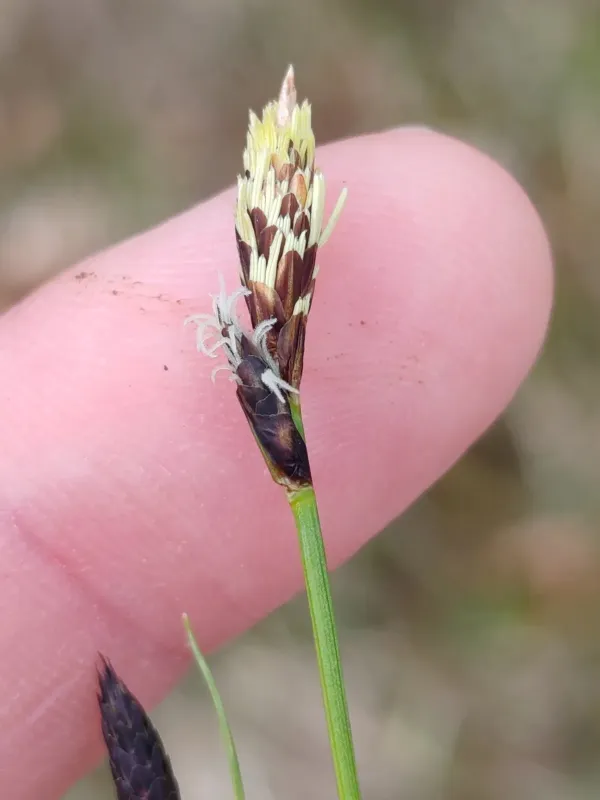
Botanically, Carex montana is distinguished by its fine-textured, deep green foliage and early flowering period. The plants produce delicate, golden-brown flowering spikes that rise above the leaves in late spring. It is a slow-growing plant that does not spread aggressively, making it a reliable choice for maintenance-conscious gardeners.
Regarding agrotechnical requirements, Mountain sedge is relatively low-maintenance. The primary care involves trimming back old, weathered foliage in early spring before the new growth emerges. Once established, the plants show remarkable resilience to drought, wind, and varying soil pH levels, contributing to their long lifespan in gardens.
The main use of this plant is in ornamental landscaping. Due to its aesthetic appeal and structural reliability, it is highly valued for rock gardens, borders, and alpine-style landscaping. Its compact size and year-round green appearance make it an excellent choice for ground cover in areas where taller grasses would be impractical.
Main diseases and pests
Carex montana is notably resistant to most common pests and plant diseases. The most frequent issues arise from overwatering, which can lead to fungal crown rot. Providing adequate airflow and ensuring a gritty, well-draining soil medium effectively prevents the majority of physiological and pathological problems.