
Meadow cranesbill
Geranium pratense L.
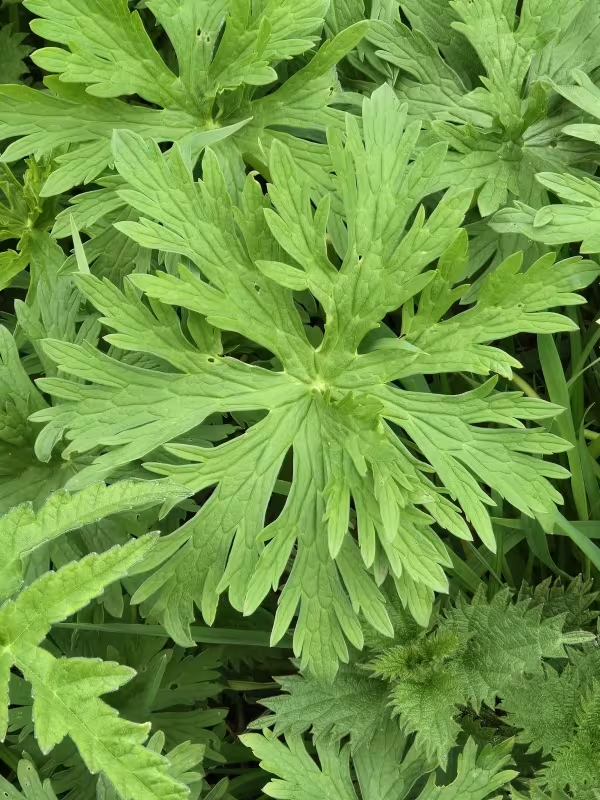
Description
Sowing dates
Sowing of meadow cranesbill seeds is best performed in the autumn, as the seeds require a period of stratification to achieve optimal germination rates. Spring sowing is possible but necessitates artificial cold treatment prior to planting.
Seeds should be sown at a depth of 1-2 centimeters in well-prepared, loose soil. Maintaining consistent moisture during the germination phase is essential for the successful establishment of young seedlings.
Vegetative propagation via division of established clumps is a highly effective method for expansion. This process should ideally be carried out in early spring or late summer to allow the plants to settle before stress periods.
A planting density of 30-40 centimeters between plants is recommended. Proper spacing ensures adequate access to sunlight and air circulation, both of which are critical for disease prevention and vigorous growth.
Regular maintenance, including weeding during the first season, is necessary. Once the plant has developed a substantial root system, it competes effectively with weeds, reducing the need for constant human intervention.
Growing requirements
Meadow cranesbill (Geranium pratense L.) is a hardy herbaceous perennial belonging to the Geraniaceae family. It is highly adaptable and thrives in sunny locations but can also tolerate partial shade.
The ideal soil for this species is a nutrient-rich, moist, yet well-drained loam. While it is tolerant of various soil types, it performs best in neutral to slightly acidic pH conditions and dislikes waterlogged environments.
The plant is exceptionally winter-hardy, making it suitable for regions with harsh climates. It requires no special protection during winter, as it goes dormant and resumes growth rapidly when spring temperatures arrive.
Supplemental irrigation is beneficial during prolonged dry spells to maintain high biomass production and extended flowering periods. However, established plants are relatively drought-tolerant once roots are deep.
Fertilization with balanced mineral complexes in the spring promotes better foliage development and increases the density of floral stalks. This is especially important when growing the plant for commercial harvest.
Yield
Meadow cranesbill is utilized in various sectors, including pharmaceuticals, apiculture, and natural landscaping. Yield of green mass is highly dependent on site fertility and effective water management.
For medicinal purposes, the aerial parts of the plant are harvested during the peak flowering stage. Proper drying in a cool, ventilated area is crucial to preserving the essential oils and tannins.
As a forage crop, it provides a valuable nutritional profile for livestock. It is often included in hay mixes due to its high palatability and the concentration of beneficial vitamins and minerals.
The species serves as a significant nectar source, attracting various pollinators throughout the summer. Honey production from areas with high concentrations of cranesbill is often prized for its unique floral notes.
To maximize yields, selective breeding and seed collection from the most robust specimens should be practiced. This ensures the vitality and productivity of future planting cycles in commercial farming settings.
Main diseases and pests
The most significant threats to meadow cranesbill include fungal pathogens such as powdery mildew and leaf spot diseases. These are most prevalent in areas with high humidity or poor air movement.
Sanitation practices, such as removing affected plant debris and thinning dense clusters, are the first line of defense. Fungicides may be used if infections become widespread and threaten total crop loss.
Insects like aphids and various leaf-feeding larvae can damage young tissue. Integrated pest management, focusing on biological controls, is highly recommended to protect beneficial pollinator populations.
Root rot caused by stagnant water is a persistent risk in poorly drained sites. Ensuring the soil structure is friable and not prone to compaction is essential for the long-term health of the plantation.
Monitoring the health of the plants regularly allows for early detection of stress. A healthy, well-ventilated crop is significantly more resistant to both environmental stresses and opportunistic pests.