
Mammillaria zephyranthoides
Mammillaria zephyranthoides
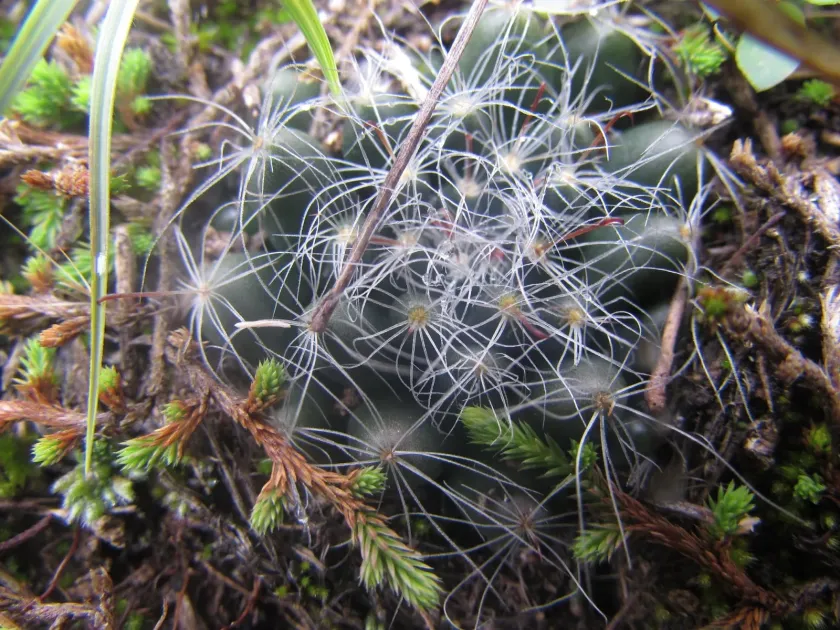
Description
Sowing dates
Sowing Mammillaria zephyranthoides seeds is best accomplished during the early spring months. Increasing daylight duration at this time provides the natural stimulus required for uniform germination of the species.
A well-draining, fine-textured growing medium consisting of pumice, sand, and a small amount of peat moss is recommended. The substrate must be kept clean to prevent the development of moss or fungi during the initial stage.
The seeds should be sown on the surface of the moist substrate and lightly pressed down. Covering them with a thin layer of grit or sand is optional, but it helps stabilize the moisture levels around the developing seeds.
Maintain a constant temperature between 20°C and 25°C throughout the germination period. A clear cover or a propagator with ventilation holes will help keep the humidity high without compromising the necessary airflow.
Once seedlings have developed their first set of tubercles and spines, the cover can be removed gradually. Careful monitoring is essential to ensure they do not dry out completely during their first few months of growth.
Growing requirements
Mammillaria zephyranthoides, a member of the Cactaceae family, is native to high-altitude regions of Mexico. This species is characterized by its significant tuberous root system, which serves as a vital storage organ for water in arid environments.
The culture requires bright, intense light to maintain its compact growth form and to encourage annual flowering. While it enjoys high sun exposure, some protection from extreme mid-day heat is beneficial to prevent epidermis scorching.
Soil requirements focus on extreme porosity. An ideal mix includes coarse river sand, volcanic rock (pumice), and a minimal amount of organic substrate. Proper drainage is the most important factor in keeping the root system healthy.
Watering should follow a strict rhythm: water thoroughly during the growing season and allow the substrate to dry out completely between applications. During the winter months, the plant enters dormancy and requires a dry, cool environment.
Ventilation is crucial for this plant. Placing the pots in an area with good air circulation reduces the risk of overheating and prevents the build-up of humidity, which can lead to fungal issues around the base of the plant.
Main diseases and pests
Root rot remains the primary threat to the viability of Mammillaria zephyranthoides. It is almost always caused by improper drainage or an aggressive watering schedule that does not account for the drying time of the substrate.
Mealybugs are the most common insect pests that infest the tubercles of the cactus. Their presence is often marked by a white, waxy substance, and they can weaken the plant by feeding on its sap.
Spider mites represent a significant problem in dry, stagnant environments. These microscopic pests create tiny, pale spots on the cactus surface, which eventually lead to permanent disfigurement and decreased vigor.
Regular preventive care includes inspecting the plant base and root system during repotting. If pests are detected, targeted application of appropriate insecticides is recommended to eradicate the colony efficiently.
To keep the plant healthy, ensure that the substrate composition is kept relatively inorganic. Avoiding excessive nitrogen-based fertilizers also prevents the plant from becoming too succulent and susceptible to pests and diseases.