
Mammillaria amajacensis
Mammillaria amajacensis
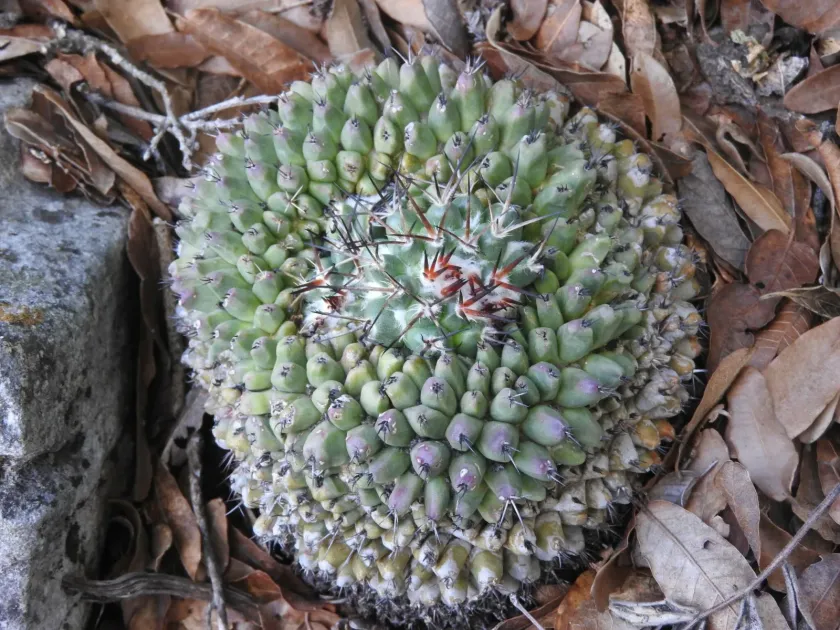
Description
Sowing dates
Propagation of Mammillaria amajacensis is primarily achieved through seeds or by separating offsets from a mature mother plant. Sowing should ideally occur during the early spring to maximize the length of the growing season for the developing seedlings.
A well-draining, mineral-based substrate is crucial for successful germination. Keeping the seed tray in a warm, humid environment with consistent temperatures between 22 and 25 degrees Celsius helps stimulate the growth process and ensures a higher rate of seedling survival.
When propagating via offsets, it is vital to let the cut surface air-dry for several days in a shaded area. This callousing process prevents bacterial and fungal entry points, ensuring the cutting remains healthy once it is placed onto the potting medium for rooting.
Seedlings require delicate handling and protection from harsh environmental stressors in their first year of life. Gradual acclimation to brighter light and lower humidity levels is necessary to build a hardy epidermis, characteristic of adult specimens of this species.
Regular monitoring of moisture levels is required during the rooting phase. While the soil should not be completely dry, it must also not be waterlogged, as young roots are extremely susceptible to damage from stagnant water conditions.
Growing requirements
As a member of the Cactaceae family, Mammillaria amajacensis requires conditions that mimic its native arid habitats. This plant thrives when provided with bright, direct sunlight throughout the year to maintain its compact growth form and promote spine development.
The soil mixture must be highly porous and inorganic. A combination of coarse sand, pumice, and minimal loam provides the aeration and rapid water drainage necessary to prevent root rot, which is the most frequent killer of captive cactus specimens.
Temperature management is key; the plant prefers a warm summer climate of 20–30 degrees Celsius, followed by a cool, dry winter dormant period. During winter, temperatures should be dropped to around 10–12 degrees to simulate natural environmental cues.
Watering frequency should be strictly linked to the dryness of the substrate. Irrigation is only necessary once the soil has completely dried out, with careful avoidance of getting water directly on the cactus body, which can cause unsightly spotting or rot.
Fertilizing should be done sparingly, using a low-nitrogen, high-potassium formula specifically designed for cacti. Over-fertilization results in succulent, weak growth that is highly susceptible to mechanical damage and infestation by various garden pests.
Main diseases and pests
Common pests affecting this species include the spider mite and mealybug. These thrive in dry, stagnant air conditions; therefore, maintaining good air circulation is a proactive step in preventing significant infestations that could damage the cactus surface.
If an infestation occurs, systemic insecticides or specialized acaricides should be used. It is imperative to isolate the affected plant from other specimens in the collection to prevent the spread of the pest population throughout the growing area.
Fungal pathogens such as Phytophthora are significant threats, usually brought on by overwatering in cool or poorly lit conditions. Symptoms include localized softening of the tissue and discoloration, requiring immediate excision of the infected tissue to save the plant.
Root rot is often the result of using a soil mix with poor drainage or overwatering during the dormant period. Once roots have rotted, the plant may require surgical removal of dead roots and replanting into fresh, sterile, and dry substrate to recover.
Maintaining a clean growing space and removing debris, such as fallen flowers or dried fruit remains, reduces the risk of mold growth. Consistent observation is the most effective tool for long-term health management in cactus collections.