
Mammillaria aureilanata
Mammillaria aureilanata
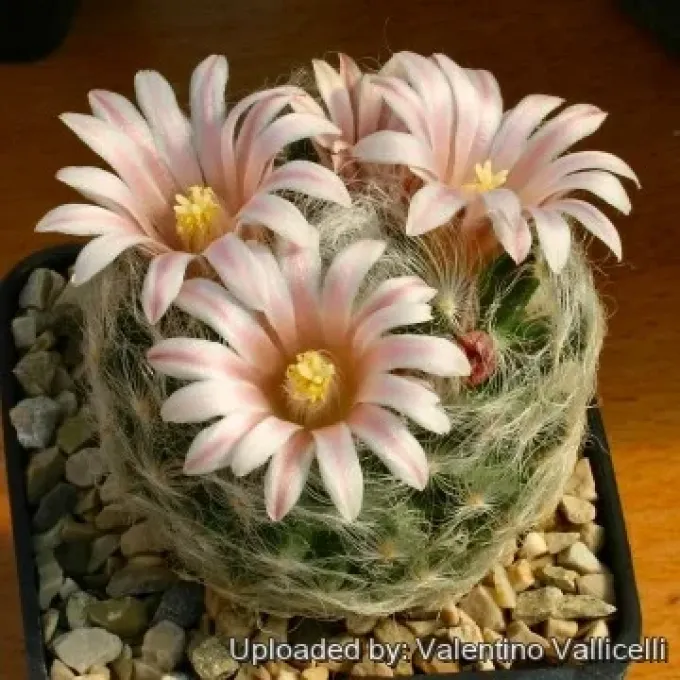
Description
Sowing dates
Propagation of this culture for decorative purposes is typically achieved through seeds or by separating offset pups from the mother plant.
Sowing should be carried out during the spring months when increasing daylight hours provide the necessary energy for rapid germination.
The ideal temperature range for seed germination is between 20 and 25 degrees Celsius to ensure healthy development of the seedlings.
Soil surfaces should be misted regularly and covered with glass or clear plastic film to maintain a constant, humid microclimate during the initial phase.
Young seedlings should be transplanted into individual pots once they have developed sufficient root mass and size to survive in independent containers.
Growing requirements
Mammillaria aureilanata belongs to the Cactaceae family and originates from the arid regions of Mexico, where it thrives in rocky, well-draining soil.
Successful cultivation requires a mineral-based substrate composed of sandy soil mixed with gravel to prevent moisture retention at the roots.
This species requires high light intensity; however, it should be shaded during peak afternoon sun to prevent sunburn on its delicate structure.
Watering must be done with caution: wait until the substrate is completely dry before adding water, especially during the dormant winter period.
The plant thrives under strict seasonal changes, needing a cooler environment in winter to mimic its natural habitat and promote future blooming.
Main diseases and pests
Fungal infections remain the primary threat to this cactus, usually caused by improper agricultural practices such as overwatering or poor drainage.
The most common pests include spider mites and mealybugs, which tend to hide within the thick, woolly spines and hairs of the cactus.
Treatment involves applying specific systemic insecticides or acaricides, ensuring thorough coverage of the affected areas to eradicate the infestation.
Regular visual inspections of the plant's surface are essential for catching pest or disease outbreaks early before they cause irreparable damage.
Root rot is a critical risk, requiring immediate surgical intervention, where decayed parts are removed, dried, and treated with fungicide or coal powder.