
Mammillaria backebergiana
Mammillaria backebergiana
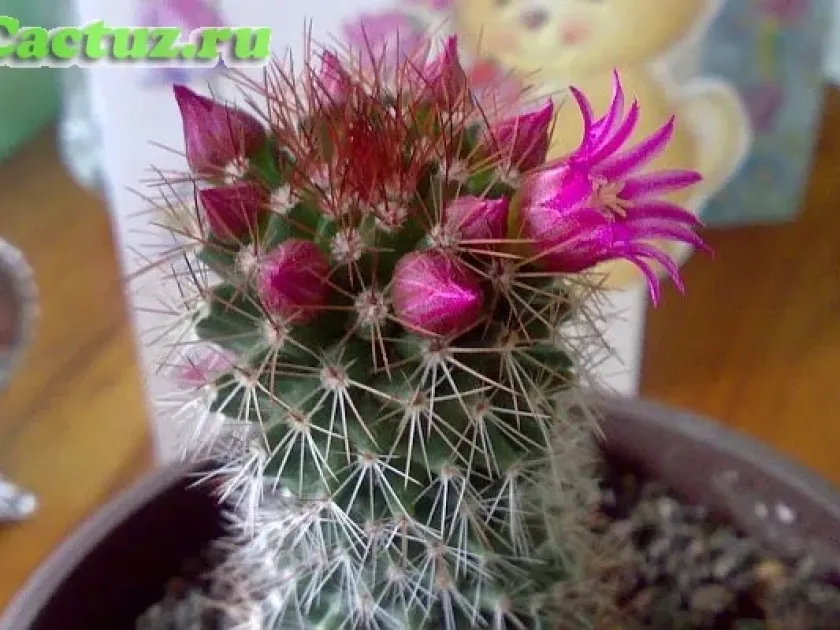
Description
Sowing dates
Sowing Mammillaria backebergiana seeds is best performed during early spring. Increasing daylight hours provide the necessary energy for the seedlings to establish a strong root system during their initial growth phase.
Use a well-draining, sterile substrate mixture consisting of equal parts pumice, sand, and fine-textured peat or loam. Proper drainage is essential to avoid damping-off diseases that frequently afflict young cactus seedlings.
Distribute the seeds evenly over the surface of the moistened substrate, gently pressing them into the soil without deep burial. Covering the container with transparent plastic maintains the high humidity levels required for successful germination.
Keep the temperature stable, between 22 and 25 degrees Celsius. Daily ventilation of the container is necessary to exchange gases and prevent the accumulation of fungal spores, which thrive in stagnant, humid environments.
Once the seedlings develop their first set of spines, they are ready to be pricked out into small, individual pots. Providing adequate light and controlled moisture at this stage ensures the healthy development of each individual plant.
Growing requirements
Mammillaria backebergiana belongs to the Cactaceae family and is native to the arid regions of Mexico. It requires high light exposure throughout the year to maintain its compact shape and healthy spine development.
The ideal soil should be porous and mineral-based, mimicking the rocky habitats of its origin. Avoid dense garden soils that retain excessive water, as the roots are highly susceptible to rot when kept in damp conditions for extended periods.
Summer maintenance requires temperatures between 20 and 28 degrees Celsius with good air circulation. During the winter dormancy, the plant should be kept in a cooler location, ideally between 10 and 15 degrees Celsius, to prepare it for flowering.
Watering should be deep but infrequent; always allow the soil to dry out completely between sessions. During winter, reduce watering significantly to imitate the natural resting season, which is crucial for preventing root decay.
This species is well-adapted to low-humidity environments. Never mist the plant directly, as standing water droplets on the epidermis can cause unsightly scarring or encourage fungal infection if the ambient air does not dry quickly.
Main diseases and pests
The primary threat to this crop is overwatering, which leads to rapid root and stem rot. Early signs include softening at the base of the cactus, which often indicates that the internal tissues have already been compromised by fungal decay.
Mealybugs are the most common pests, often settling in the deep crevices between the plant's tubercles. They can be detected by the presence of white, cotton-like secretions, which necessitate immediate treatment with systemic insecticides.
Spider mites represent a significant risk, particularly in dry and poorly ventilated areas. They pierce the epidermis, leaving behind chlorotic, light-colored spots that can permanently affect the aesthetic quality of the cactus.
Regular inspections are essential to catch problems early. If an infection is identified, isolate the affected specimen and apply appropriate fungicides or miticides, ensuring that the treatment covers all hidden areas of the stem.
Maintaining high hygiene standards in the growing area is vital. Quarantining new acquisitions and keeping the cultivation space clean significantly reduces the risk of pest outbreaks and ensures the long-term health of the collection.